The vast savannah of Queen Elizabeth National Park stretches beneath a wide sky, a landscape of ancient craters and acacia thickets where wildlife has roamed undisturbed for millennia. It is a place of profound ecological significance, a sanctuary where the balance of nature is protected by those who commit their lives to the preservation of the wild. The rangers who patrol these boundaries move through the bush with a quiet alertness, aware that the beauty of the park is constantly threatened by external pressures. The silence of the night is their companion, but it can also mask the arrival of elements that seek to exploit the park’s treasures for illicit gain.
The armed poaching rings that operate within these protected boundaries are not opportunistic hunters, but well-organized networks equipped with modern weaponry and tracking technology. They move along the seasonal elephant corridors under the cover of the new moon, seeking the valuable ivory and skins that command high prices on the international black market. Their presence is a violent intrusion into the sanctuary, disrupting the delicate social structures of the animal herds and posing a direct threat to the lives of the conservation staff. The conflict is fought in the deep brush, far from the tourist tracks, where every encounter carries the potential for tragedy.
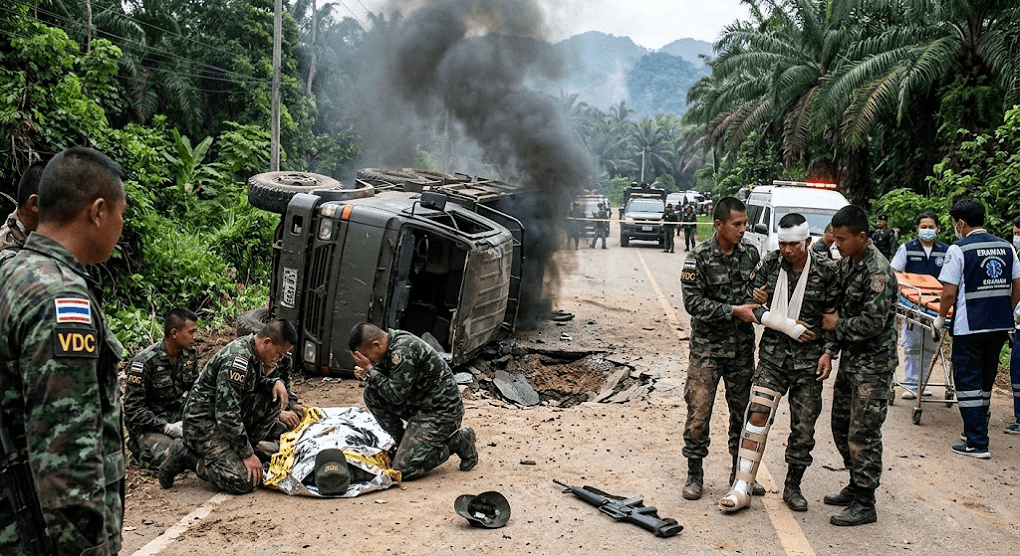
The recent engagement occurred in a remote northern sector of the park, a region characterized by thick euphorbia forests and limited visibility. A routine ranger patrol detected the telltale signs of human intrusion, following a trail of broken branches and discarded provisions into the heart of the thicket. When the rangers closed in on the encampment, they were met with immediate, aggressive gunfire from the suspects, initiating a fierce firefight that echoed across the quiet craters. The discipline and superior positioning of the park authority personnel eventually neutralized the threat, breaking the ring's hold on the sector.
There is a somber atmosphere that settles over the ranger stations after such an encounter, a reminder of the high cost of defending the nation's natural heritage. The bodies of the fallen poachers and the recovered cache of automatic weapons stand as evidence of the militarized nature of modern wildlife crime. For the rangers, the victory is measured not in the loss of human life, but in the preservation of the species they are sworn to protect. The park returns to its natural sounds, but the tension remains high along the borders where communities meet the protected zone.
The investigation into the neutralized cell has revealed connections to wider networks operating across regional borders, highlighting the complexity of combating wildlife trafficking. The recovered items included specialized hunting gear and communication devices, suggesting a level of logistical support that extends far beyond the local villages. Conservation organizations have praised the bravery of the ranger force, emphasizing that the protection of these habitats requires continuous investment in intelligence and equipment. The ongoing battle against poaching is essential for the survival of the tourism sector, which relies on the safety and abundance of the park’s wildlife.
As the dawn breaks over the savannah, the patrols resume their positions along the vulnerable perimeters, their commitment undiminished by the night's violence. The park administration has announced plans to increase surveillance flights and deploy additional canine units to prevent further incursions into the high-risk zones. The local communities are also being engaged through education programs, fostering a collaborative approach to conservation that views wildlife as a shared asset rather than a target. For now, the herds move peacefully across the plains, their ancient pathways secured by the vigilance of those who watch over them.
Published by Banx Network. This article is part of the Banx decentralized media programme, powered by the BXE token on the XRP Ledger.