The airport is an environment defined by the precision of time and the relentless forward motion of travel. It is a space where the arrival of a vehicle, the loading of luggage, and the departure of passengers are choreographed into a predictable, rhythmic dance. Yet, even within the most structured pathways of our transit hubs, the unexpected can emerge, transforming the mundane act of queuing for a taxi into a scene that demands a moment of collective pause and quiet reflection.
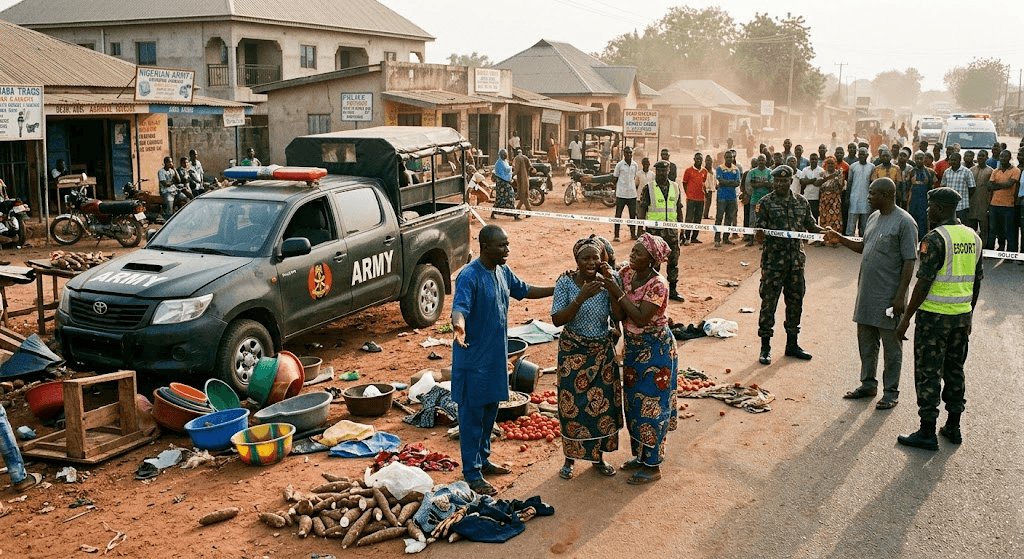
A recent incident at the airport terminal served as a sudden, jarring disruption to this well-oiled machine. A taxi, an object typically governed by the calm navigation of urban roads, veered from its expected path, crashing into a passenger waiting area before making contact with another vehicle. The scene, which had moments earlier been filled with the ordinary anticipation of travel, was briefly silenced by the intrusion of metal and the immediate, urgent presence of emergency response.
For those who witness such an occurrence, the immediate reaction is a mix of confusion and concern. The airport, a place where people arrive expecting the smooth transition of their plans, is forced to confront the vulnerability of the very systems meant to facilitate that ease. The collision, while limited in its scope, acts as a reminder that the boundary between order and chaos is often thinner than we perceive, maintained only by the vigilance of those behind the wheel and the safety of the infrastructure around them.
In the aftermath, the priority of the authorities—the airport operations staff and the police—becomes the restoration of that order. The damaged vehicles are cleared, the debris is swept away, and the flow of traffic is redirected to ensure that the broader pulse of the airport continues to beat without sustained interruption. It is a process of administrative recovery, ensuring that the incident is documented and analyzed so that the structural safety of the waiting areas can be reaffirmed.
One driver, having experienced the brunt of the collision, was found in a state that necessitated medical attention. The individual was promptly transported to a nearby hospital, marking a shift from the logistical concern of a traffic incident to the personal reality of injury and recovery. This transition serves as a sobering anchor for the narrative, reminding us that every report of an accident carries with it the experience of a person whose daily routine has been fundamentally altered.
The investigation into the cause—whether it stemmed from mechanical failure, human error, or an unexpected environmental variable—is currently underway. It is a technical pursuit, one that relies on the examination of tire marks, vehicle damage, and the testimony of those on the scene. Such inquiries are the necessary price of our reliance on public transit, ensuring that the reasons for the failure are understood and that potential preventative measures are identified for the future.
As the terminal returns to its usual cadence, the memory of the crash lingers in the quiet interactions of the taxi drivers and the cautious movements of the passengers. The event highlights the inherent risks that persist in any environment where heavy machinery and human presence are closely integrated. It is a call to maintain the standard of vigilance that defines our shared public spaces, ensuring that the convenience of transit does not come at the cost of our collective safety.
The resilience of the airport terminal is remarkable, characterized by its ability to absorb such shocks and return to its function within hours. Yet, for those involved, the experience leaves an indelible mark, a fragment of memory that disrupts the seamless story of their journey. As we navigate these spaces, we are reminded of the fragility of our daily paths and the importance of the care with which we approach every movement within our bustling, interconnected world.
Published by Banx Network. This article is part of the Banx decentralized media programme, powered by the BXE token on the XRP Ledger.