The regional transportation network of the Anenii Noi district relies on a series of historic concrete and timber bridges to connect remote agricultural villages with primary commercial highways. These critical stream crossings, spanning local tributaries and drainage rivers, ensure that farming communities can safely transport their produce to regional markets and access vital emergency services. The structural longevity of these modest transit points depends entirely on regular concrete abutment reinforcement, clear drainage channels, and routine post-winter load-bearing evaluations.
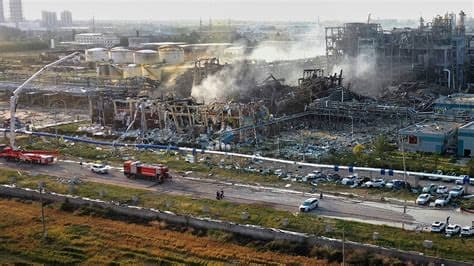
That essential transport link was completely broken when an unexpected, high-intensity localized rainstorm triggered a severe flash flood that washed out a primary bridge abutment. The rushing torrent, carrying heavy organic debris and uprooted trees from upriver, battered the older concrete foundations of the span with immense force until the main structure buckled and collapsed into the water. Within an hour, a critical artery was severed, leaving three rural communes completely isolated from the rest of the district.
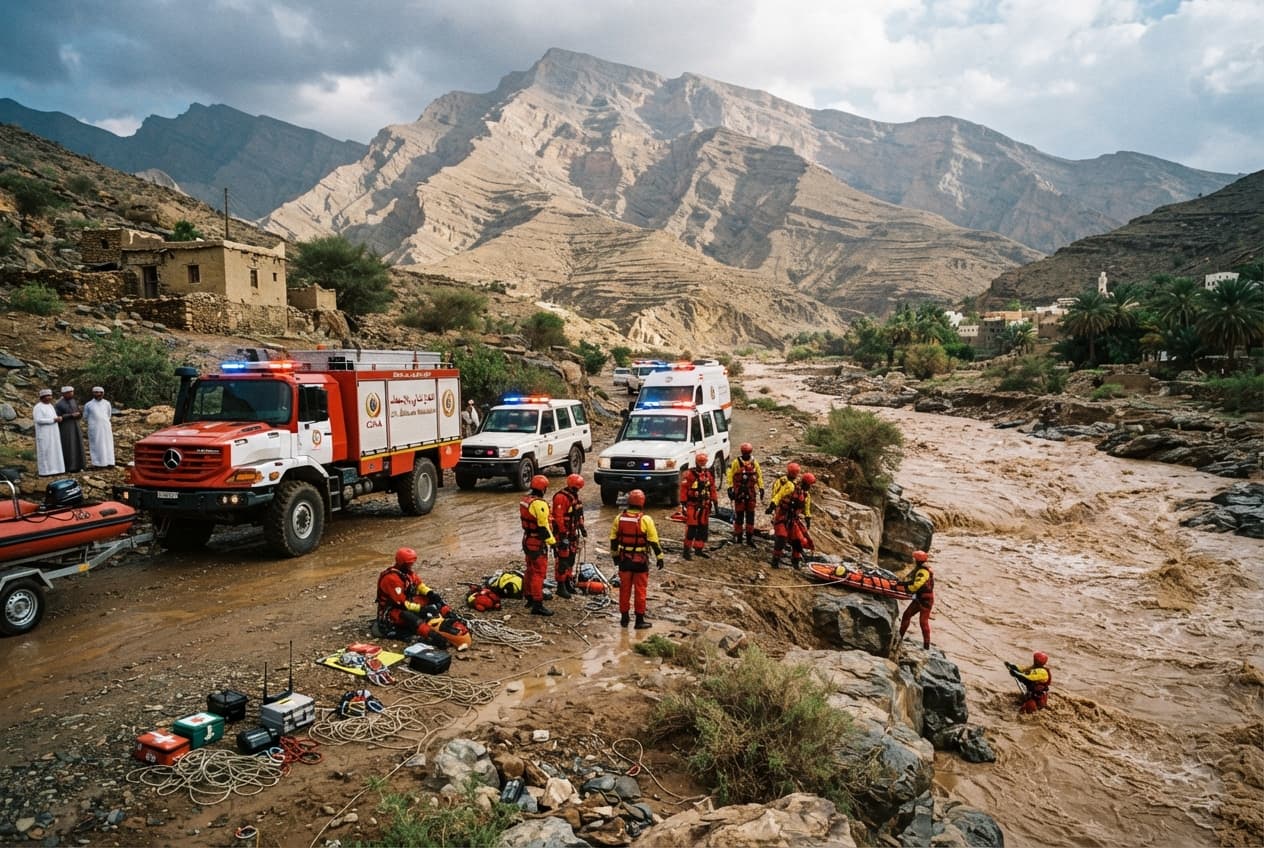
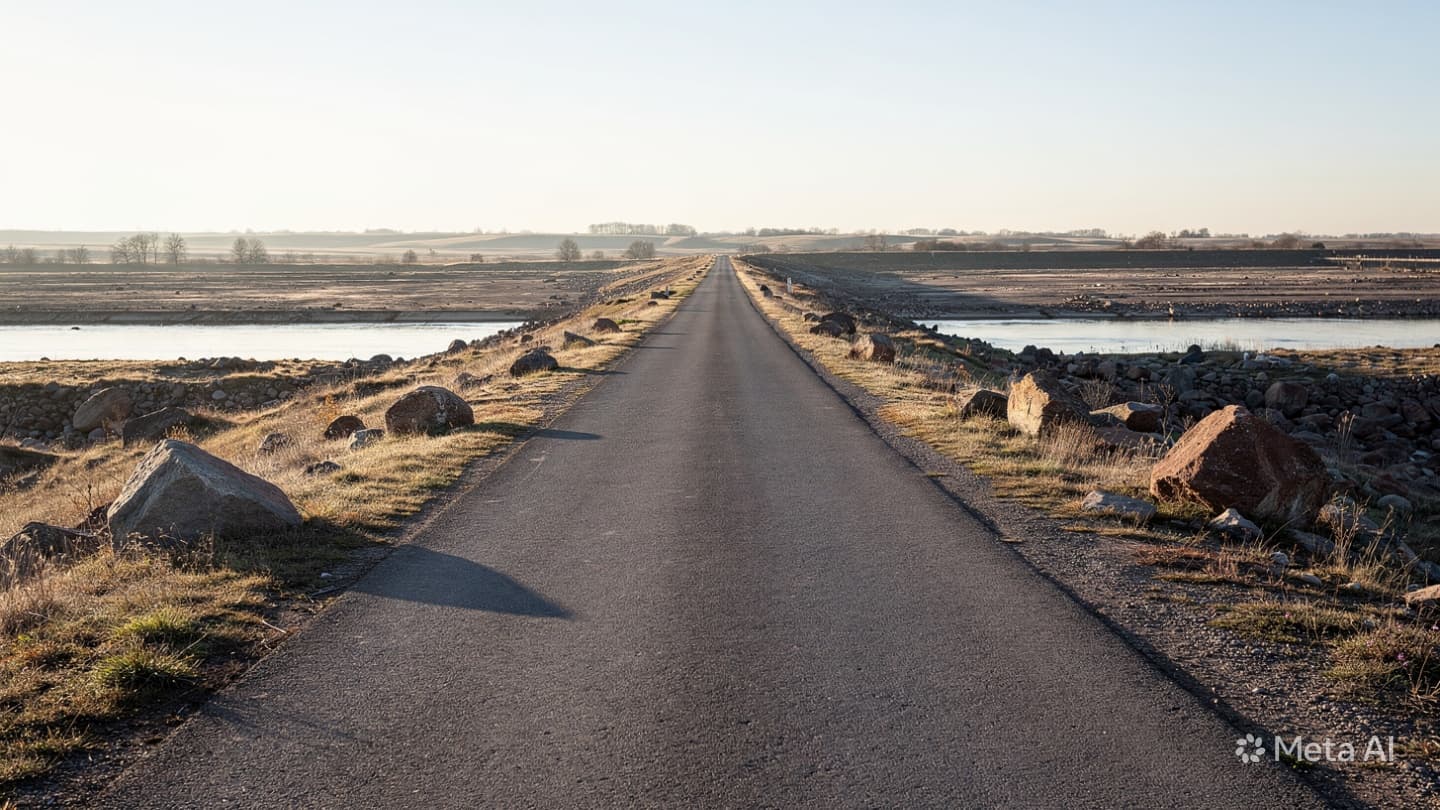
Local civil defense detachments and emergency road crews were dispatched to the site immediately, facing a complex logistical challenge as the high water levels prevented any immediate structural repairs. Responders moved rapidly to establish warning barriers and detour signs several kilometers ahead of the crossing, preventing unsuspecting motorists from approaching the collapsed segment in the dark. The sound of the rushing water against the broken concrete created a stark landscape of isolation along the edge of the severed roadway.
On the riverbanks, stranded residents from the nearby communes gathered to look across the wide gap, speaking in low, anxious voices about the immediate practical difficulties of the road closure. The loss of the bridge means that local school buses, medical ambulances, and essential food delivery trucks cannot reach the villages without a multi-hour detour over unpaved dirt tracks. The sudden structural failure highlights the deep vulnerability of rural infrastructure to extreme weather events that overwhelm local geography.
By the following morning, regional administrative officials arrived at the edge of the washout to coordinate emergency relief logistics, organizing temporary foot-transit routes and small shuttle boats to ferry essential medical supplies across the calm water. Specialized structural engineers began the slow process of surveying the remaining foundations to determine if any elements could be salvaged for a temporary replacement span. Initial assessments focus on whether the rapid accumulation of riverbed debris had created a "scour" effect, undermining the concrete pilings over time.
The economic impact on the isolated communes will be severe, disrupting the daily movement of the local workforce and delaying agricultural shipments during a critical processing week. Infrastructure ministry officials have announced an emergency budget allocation to construct a temporary military-style pontoon crossing while design work begins on a new, modern reinforced concrete bridge. The disaster has reignited urgent policy discussions regarding the funding backlog for aging bridge maintenance across rural Moldova.
The technical investigation into the material history of the failed span will continue as engineers analyze the soil stability around the river banks. This localized infrastructure crisis underscores the fragile, high-stakes reality of rural logistics, where the failure of a single modest structure can instantly alter the life of an entire community. The story of the Anenii Noi bridge collapse is an unvarnished account of transport vulnerability, reminding us of the critical lines that connect our rural societies.
Published by Banx Network. This article is part of the Banx decentralized media programme, powered by the BXE token on the XRP Ledger.