Key Highlights
- Oil prices surged past $105 per barrel amid geopolitical tensions.
- Iran's new supreme leader raises concerns over continued hostilities.
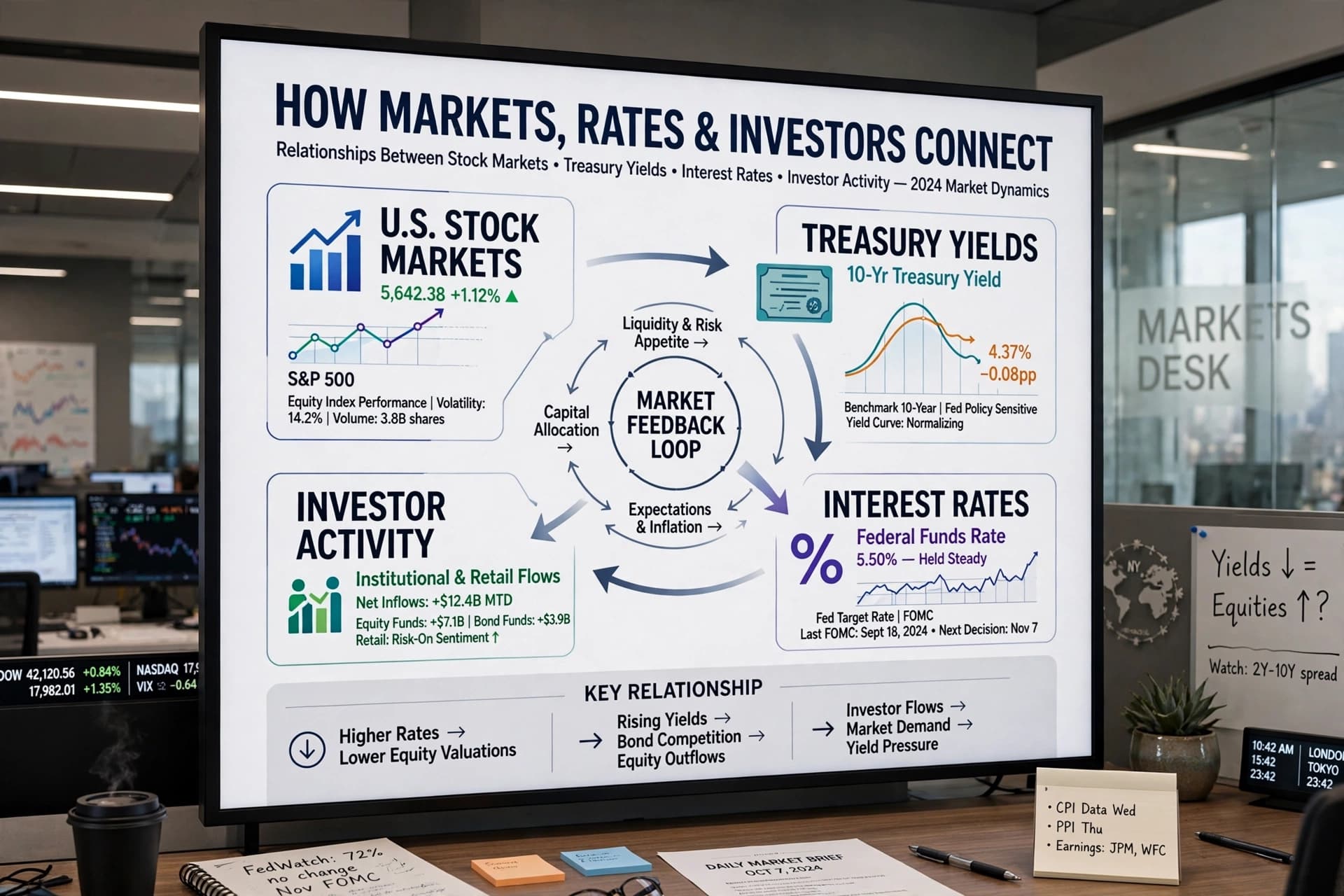
- Global stock markets declined as rising energy costs impact investor sentiment.
The global financial landscape experienced significant shifts on Monday as oil prices surged sharply, driven by escalating tensions in the Middle East. Brent crude oil prices climbed above $105 per barrel, reaching highs between $108 and $119 before settling back slightly. This spike was largely attributed to the recent appointment of Mojtaba Khamenei as Iran's new supreme leader, following the death of his father, Ali Khamenei. Analysts interpreted this leadership change as a signal of ongoing hardline governance in Iran, which could prolong regional conflicts and disrupt oil supply chains.
The Strait of Hormuz, a critical passage for global oil trade, became a focal point of concern as military activities and retaliatory strikes raised fears of potential disruptions. The geopolitical landscape surrounding Iran has always been precarious, and the latest developments have intensified worries among traders, prompting them to pay a premium for oil amid perceived scarcity.
While oil prices soared, financial markets reacted with caution. Major stock indices across Asia, Europe, and the United States experienced declines, reflecting investor anxiety over the implications of rising energy costs. The fear is that higher fuel prices could exacerbate inflation and reduce consumer spending, particularly in economies where households are already grappling with increased transportation costs.
This divergence between the energy and equity markets highlights the complex interplay between commodities and stocks. Commodities tend to react swiftly to geopolitical shocks, while stock markets absorb these shocks more gradually, factoring in broader economic indicators such as corporate earnings and central bank policies.
For consumers, the rise in oil prices translates into higher gasoline costs, which can strain household budgets and contribute to inflationary pressures. Retail gasoline prices have already begun to reflect the increased cost of crude oil, leading to heightened inflation expectations in several countries.
The psychological impact of Iran's new leadership cannot be understated. The appointment of a leader closely aligned with hardline factions suggests a continuation of resistance to external pressures, which can lead to more cautious trading behavior in financial markets. Investors are likely to price in a prolonged period of instability, rather than anticipating a swift diplomatic resolution to the ongoing tensions.
Despite the alarm, some policymakers have attempted to reassure markets, emphasizing that oil prices can be volatile and may not remain at current levels if diplomatic efforts or strategic reserves are utilized. However, the day's market movements—oil prices climbing to multi-year highs while stock markets retreated—underscore the delicate balance between geopolitical events and economic sentiment.
As investors navigate this evolving landscape, they remain vigilant for signals from various fronts, including military developments, policy discussions, and economic data. The interplay between rising energy costs and broader economic implications will be crucial in determining the trajectory of both oil prices and financial markets in the coming weeks.
In summary, Monday's market activity illustrates the complexities of global economics, where geopolitical tensions can lead to sharp price movements in commodities while simultaneously weighing on investor confidence in equities.
Published by Banx Network. This article is part of the Banx decentralized media programme, powered by the BXE token on the XRP Ledger.