The night in the industrial outskirts of Poznan was broken by a glow that was not the arrival of the dawn, but a sudden, violent blossoming of heat within the vast corridors of a logistics warehouse. For hours, the structure—a monument to the modern world’s ceaseless movement of goods—became a roaring furnace, its steel and concrete skin struggling to contain the energy of a fire that seemed to have its own, hungry will. From a distance, the plume of smoke was a dark, towering column against the starlit sky, a silent announcement of a significant and sudden loss. It was a moment where the ordered world of inventory and shipping was unceremoniously replaced by the chaotic power of the elements.
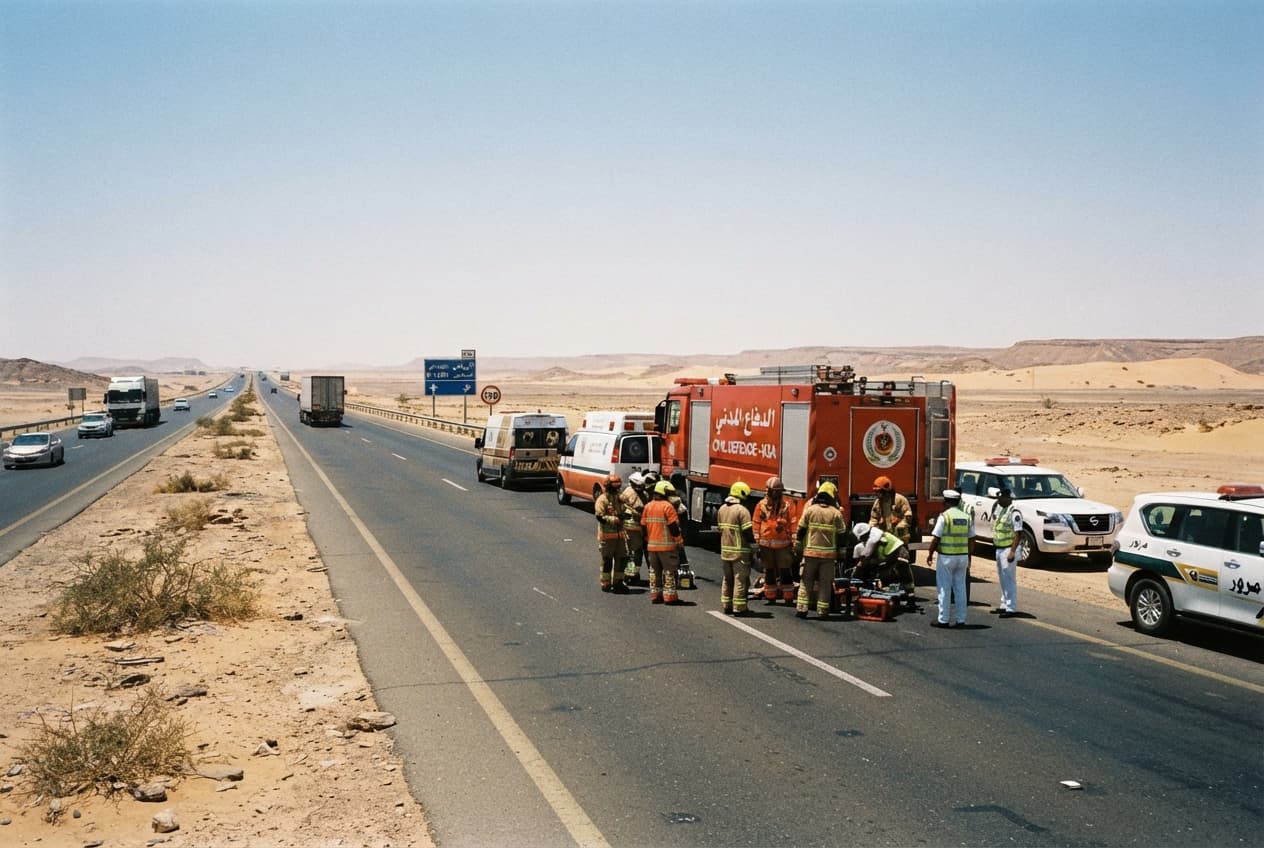
Firefighters from across the region converged on the site, their sirens a frantic chorus against the crackling roar of the blaze. They moved with a practiced, courageous efficiency, setting up a perimeter of water and foam in a desperate attempt to protect the neighboring structures from the encroaching heat. To stand near such a fire is to feel the air itself becoming a physical weight, a scorching pressure that demands the absolute limit of human endurance. The warehouse, once a place of humming machinery and organized shelves, was transformed into a landscape of glowing embers and twisted metal, its internal geography erased by the flames.
The struggle to control the blaze was a battle against a nearly invisible enemy, as the sheer scale of the building created its own internal weather and thermal traps. For the crews on the ground, the night was a blur of exhausting labor, of shifting hoses and monitoring the structural integrity of walls that groaned under the unimaginable stress. There is a specific kind of dignity in this work, a quiet persistence in the face of a destructive force that cannot be reasoned with. As the first light of morning began to touch the horizon, the roaring flames were finally reduced to a series of stubborn, smoldering pockets of heat.
In the aftermath, the warehouse stands as a skeletal ruin, a charred and hollowed-out shell that speaks of a total and devastating transformation. The goods that were once stored within—the electronics, the textiles, and the machinery—have been reduced to a layer of anonymous ash and molten slag. To walk through the remains is to witness a profound absence, a void where there was once a thriving node of the global economy. The air is thick with the scent of wet soot and scorched metal, a sensory record of the night’s violence that will linger for weeks to come.
As the emergency crews begin to withdraw, the site is handed over to the investigators, the forensic specialists who must piece together the narrative of the fire’s origin from the fragments left behind. They move through the rubble with a clinical, focused energy, looking for the telltale signs of an electrical fault, a chemical reaction, or a more deliberate act of interference. It is a slow and meticulous work of reconstruction, a gathering of data points from a landscape of near-total destruction. The blueprints of the building are consulted, and the debris is analyzed for any trace of an accelerant or a failed safety system.
For the company that operated the facility and the workers who relied on it for their livelihood, the fire is a catastrophic interruption to the rhythm of their lives. There is a sense of shock in the face of such a sudden and absolute loss, a realization of how quickly the structures we build to support our world can be taken away. The conversations in the local offices are quiet, filled with long pauses as they begin the difficult task of assessing the damage and planning for a future that has been irrevocably altered. The site remains cordoned off, a solitary and silent witness to the night the fire claimed the hall.
The investigation will eventually provide an answer to the questions of how and why the fire began, but the impact of the loss will be felt long after the final report is filed. It is a reminder of the inherent risks that accompany the concentration of resources in these massive, modern hubs, and of the constant vigilance required to protect them. The city of Poznan continues its busy, energetic life, but on its periphery, the charred skeleton of the warehouse remains a somber landmark, a monument to the unpredictable power of fire and the fragility of our industrial dreams.
In the final reckoning, the warehouse fire in Poznan serves as a stark reminder of the importance of robust fire safety protocols and the tireless dedication of the emergency services. It is a story of a loss that was measured not in lives, but in the sudden erasure of a significant piece of the regional infrastructure. As the cleanup begins and the first plans for reconstruction are discussed, the site stands as a place of reflection—a reminder of the need to build not just for efficiency, but for resilience in the face of the unexpected.
Regional fire authorities in Poznan have launched a comprehensive investigation into the cause of a massive warehouse fire that almost completely destroyed a logistics center in Tarnowo Podgórne. Over 50 fire crews were deployed to the site during the height of the blaze, which broke out in the early morning hours and engulfed a 200-meter-long structure. While no casualties were reported, officials noted that the warehouse and its contents were a total loss, with the subzero temperatures significantly hampering initial firefighting efforts. Forensic experts and fire investigators are currently examining the site to determine the point of origin and are reviewing the facility’s fire suppression systems and recent maintenance records.
Published by Banx Network. This article is part of the Banx decentralized media programme, powered by the BXE token on the XRP Ledger.