
Key Highlights
- Incident:An oil spill has been detected in Venice's Grand Canal.
- Response:Authorities are investigating the source and conducting cleanup operations.
- Impact:The spill threatens the lagoon's ecosystem and the city's aesthetic integrity.
The picturesque city of Venice, known for its enchanting canals and historic architecture, is grappling with an environmental crisis following a significant oil spill detected in the Grand Canal early Tuesday morning. This incident has cast a shadow over the city's iconic waterways, which are vital not only for transportation but also for the cultural heritage that defines Venice.
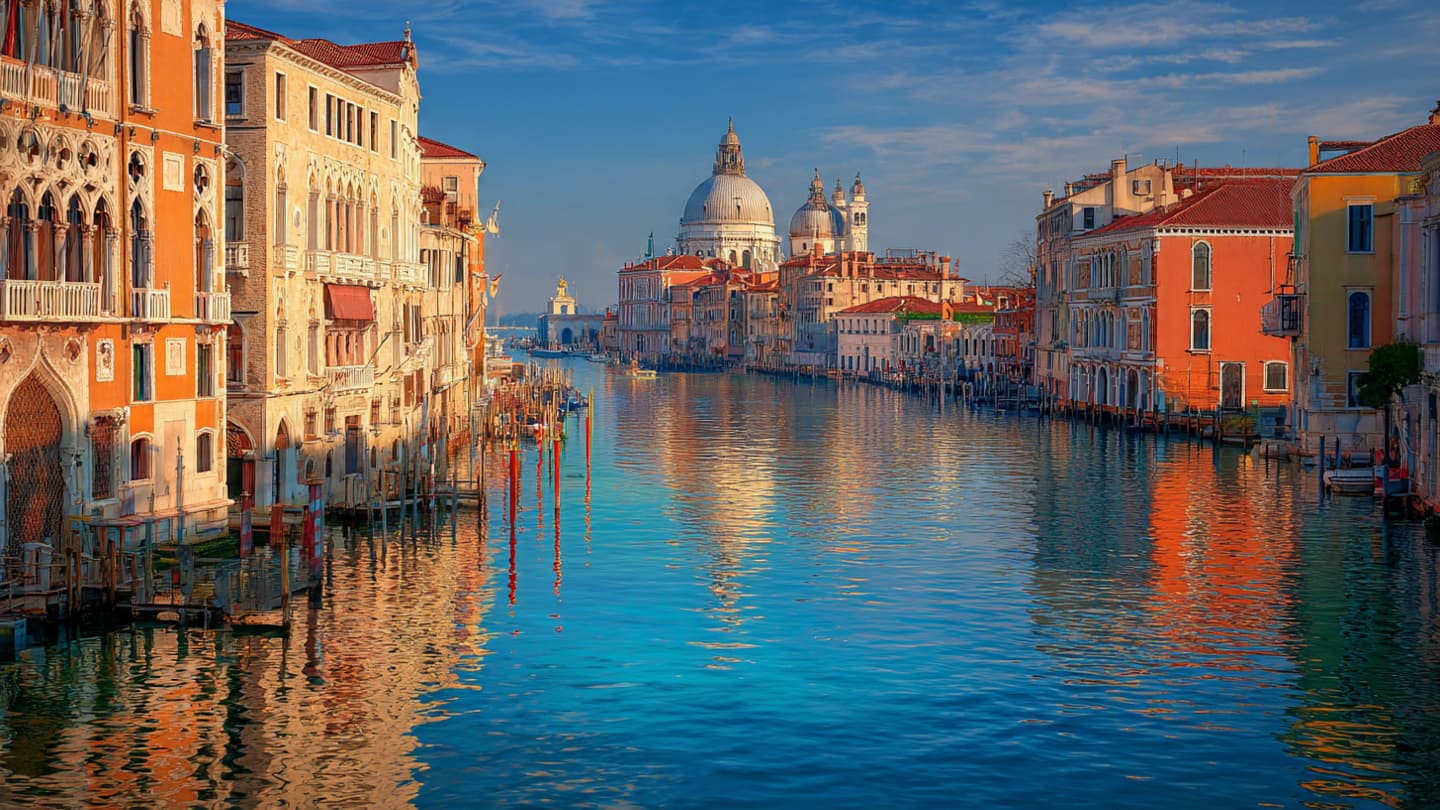
The oil spill, described as a dark, iridescent film, has disrupted the serene beauty of the Grand Canal, a place where gondolas glide gracefully and reflections dance on the water's surface. The spill is not merely an environmental concern; it represents a deeper violation of the city's spirit, as the oil seeps into the very lifeblood of Venice. The presence of this slick is a stark reminder of the industrial world's encroachment on historical landscapes, raising urgent questions about negligence and accountability.
In response to the spill, Venetian authorities have mobilized specialized vessels to investigate and contain the situation. Their efforts reflect a commitment to preserving the delicate ecosystem of the lagoon and restoring the aesthetic integrity of the Grand Canal. As cleanup crews work tirelessly to remove the oil, they face the daunting task of not only cleaning the water but also uncovering the source of the spill. This investigation is crucial, as it aims to prevent future incidents that could further threaten the city's fragile environment.
The cleanup process has been marked by a sense of urgency and determination. Authorities are meticulously analyzing maritime traffic records and the chemical composition of the oil to reconstruct the timeline of events leading up to the spill. Each piece of evidence gathered is a step toward understanding how this environmental crisis unfolded. The absence of immediate answers adds an air of mystery to the situation, leaving residents and officials alike pondering whether this was a result of human error or a more systemic issue within the maritime industry.
For the residents of Venice, the oil spill is a shared moment of vulnerability. Gondoliers and locals watch from the bridges, their hearts heavy as they witness the Grand Canal marred by the residue of modernity. Yet, amidst the despair, there is a sense of solidarity in the community's efforts to restore the water's clarity. The collective hope is that the canal will soon return to its former glory, reflecting the beauty and history that have made Venice a UNESCO World Heritage site.
As the sun rises over the San Marco basin, the cleanup crews continue their work under the watchful gaze of the city. The deployment of absorbent booms and skimming operations signifies a commitment to restoring the canal's natural state. However, the memory of the spill will linger, serving as a poignant reminder of the fragility of Venice's environment. The water, a dynamic boundary between the past and present, will eventually flow clear again, but the incident underscores the need for vigilance in protecting this unique ecosystem.
In conclusion, the investigation into the oil spill in Venice's Grand Canal is ongoing, with authorities determined to identify those responsible and prevent future occurrences. As the city navigates this crisis, the focus remains on restoring the lagoon's light and beauty, ensuring that Venice's rich heritage is preserved for generations to come.
Published by Banx Network. This article is part of the Banx decentralized media programme, powered by the BXE token on the XRP Ledger.



