
Key Highlights
- Incident:A missile strike in the eastern Pacific resulted in two fatalities and one survivor.
- Ongoing Campaign:The strike is part of a broader military operation targeting drug trafficking in the region.
- Death Toll:The total death toll from these operations has now reached at least 193 since September.
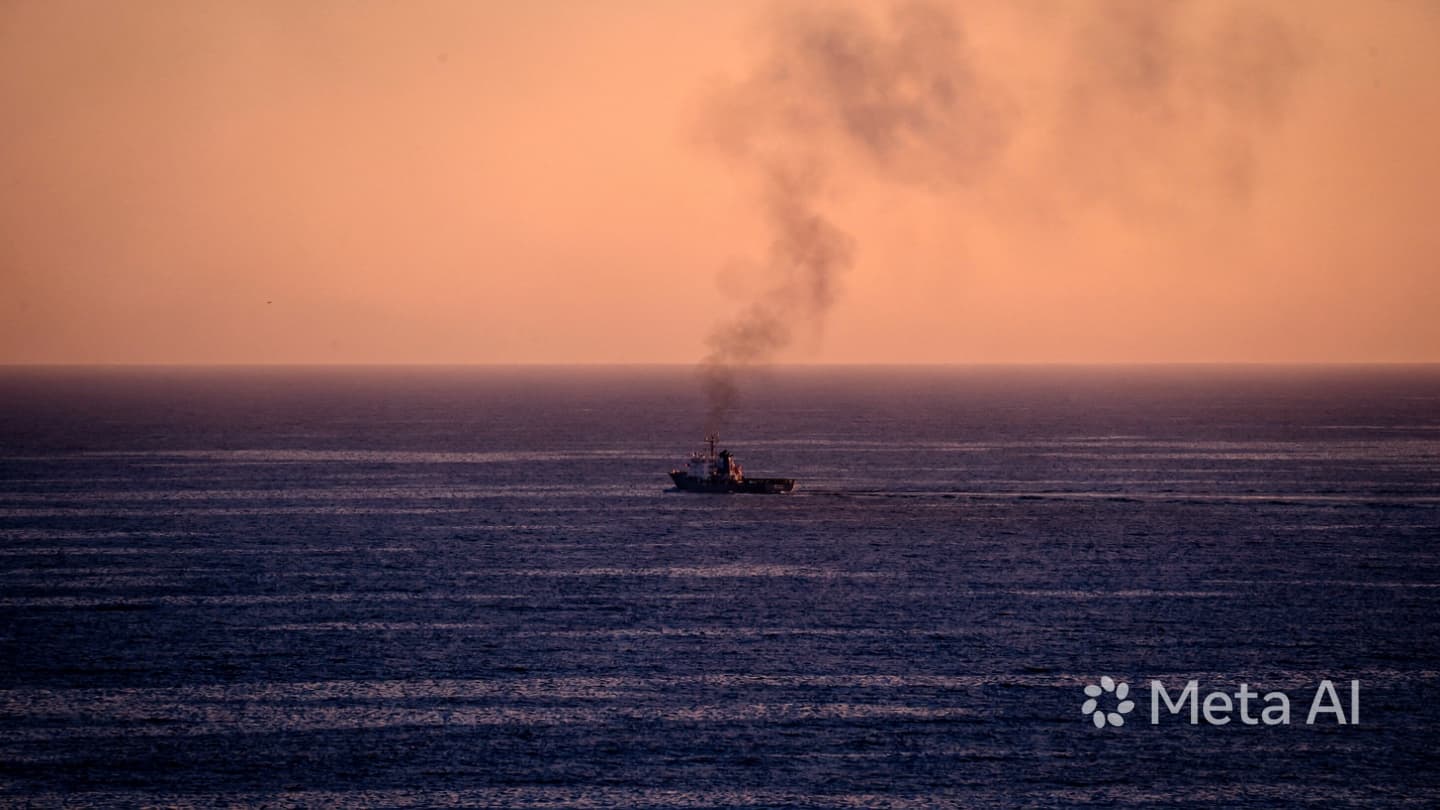
On a seemingly tranquil Friday afternoon, the eastern Pacific was shattered by the sudden explosion of a missile striking a vessel suspected of drug trafficking. This incident, which occurred amidst the vast blue expanse of ocean, serves as a stark reminder of the ongoing military operations aimed at combating narco-terrorism. The missile's impact transformed the serene horizon into a scene of chaos, marking a tragic moment in the lives of those aboard the ship.
The aftermath of the strike left the ocean eerily calm, swallowing the remnants of the vessel and claiming the lives of two individuals. Their stories, now lost to the depths, highlight the human cost of such military actions. The lone survivor, rescued by the Coast Guard, stands as a testament to the violence that unfolded, embodying the stark contrast between life and death in a conflict that often feels distant yet is profoundly impactful.
This incident is part of a larger narrative surrounding the U.S. military's operations in the Pacific, where the fight against drug trafficking has led to increased scrutiny and military engagement. The Pentagon defends these strikes as necessary measures to protect national security and combat the flow of narcotics that threaten stability in the region. However, the legality and morality of such actions are under intense scrutiny, with critics questioning the justification for lethal force in international waters.
As the investigation into this strike unfolds, the implications of such military interventions resonate beyond the immediate tragedy. The rising death toll, now nearing 200 since September, raises critical questions about the effectiveness and ethics of these operations. Critics argue that the absence of due process in the ocean, where decisions are made in the heat of the moment, undermines the principles of justice and accountability.
The military's narrative emphasizes vigilance and the need to intercept vessels that may carry illicit cargo. Yet, the lack of recovered evidence from many of the sunken ships complicates the narrative, leaving a gap where facts should reside. This ambiguity fuels ongoing debates about the balance between security and human rights, particularly in a theater where the consequences of military action are often irreversible.
As the sun sets over the Pacific, the waters return to their restless state, carrying with them the memories of those lost and the uncertainty faced by their families. The long wait for answers continues, underscoring the profound impact of a conflict that plays out far from the public eye, where the lines between safety and tragedy blur in the vastness of the ocean.
The U.S. military confirmed that the Friday strike resulted in two fatalities and one survivor, adding to the growing toll of the ongoing maritime campaign against drug trafficking. This incident serves as a poignant reminder of the complexities and human costs associated with military operations in pursuit of security.
Published by Banx Network. This article is part of the Banx decentralized media programme, powered by the BXE token on the XRP Ledger.



