
Key Highlights
- Location:Tuas, Singapore, known for its industrial landscape.
- Incident:A construction accident occurred, prompting safety investigations.
- Impact:The accident raises awareness about worker safety and industry standards.
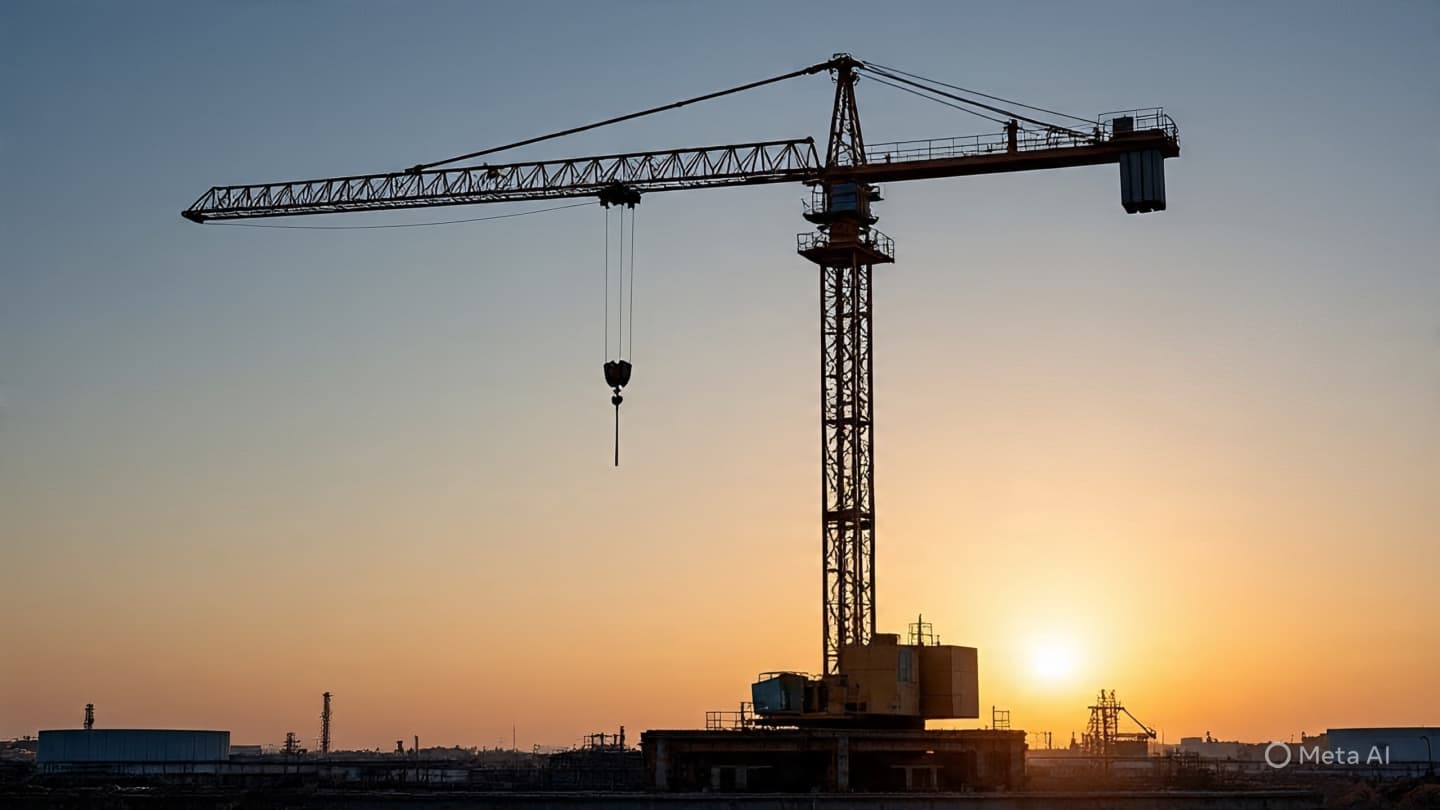
The industrial horizon of Tuas is a landscape defined by the vertical, a forest of cranes and scaffolding reaching toward a sky often hazy with the heat of progress. Here, the air is thick with the metallic tang of construction and the constant, rhythmic pulse of heavy machinery. It is a place of immense scale, where the individual worker can feel like a small, moving part in a vast and complicated engine. In this environment, the distance between safety and catastrophe is often measured in inches, a thin line held together by harness, hook, and a steady hand.
A specific stillness follows a sudden accident on a worksite, a momentary pause in the relentless noise of production. It is as if the machinery itself acknowledges a break in the human flow, recognizing that gravity has claimed a victory over the precautions of the day. In that brief window of time, the grand ambitions of the project fall away, replaced by the immediate, frantic necessity of care. The height that was a source of pride in the morning becomes, in the afternoon, a source of profound and sobering consequence.
Witnessing the aftermath of such a fall reveals the vulnerability of the human form against the uncompromising surfaces of the industrial world. The concrete and steel do not yield; they are the fixed points around which our lives are built and, sometimes, broken. The worker who falls is more than a statistic in a safety report; they are a narrative of effort and endurance, a person who stepped onto the site with the expectation of returning home at the shift’s end. This sudden interruption of their journey serves as a reminder of the inherent risks woven into the fabric of physical labor.
The investigation that follows is a meticulous search for the 'why,' reconstructing the seconds before the descent. It looks for the frayed cable, the missing railing, or the momentary lapse in concentration that allowed the accident to occur. Yet, beyond the technical findings, there is a broader reflection on the culture of the workplace and the pressures that drive the pace of construction. It is a dialogue between the need for speed and the non-negotiable demand for protection, a balance that must be struck every time a worker leaves the ground.
In the nearby dormitories and canteens, the news travels with a quiet, heavy familiarity. For those who earn their living at heights, every accident is a shared weight, a shadow that lingers over their own scaffolds the following day. They understand the language of the wind and how metal can become slick with rain or sweat. Their camaraderie is forged in these shared risks, a silent pact of vigilance that is the first and last line of defense against the pull of the earth.
The response of the authorities is a move toward clarity and the enforcement of standards that are written in the history of previous failures. Every regulation is a lesson learned the hard way, a safeguard designed to ensure that no more lives are marked by the trauma of a fall. This bureaucratic process, while distant and analytical, is the primary tool for preventing the next tragedy. It seeks to turn the chaotic reality of an accident into a set of actionable truths that can be applied across the entire industry.
As the sun sets over the Tuas skyline, the cranes stand like silent sentinels against the darkening blue. The site will eventually return to its noisy, productive self, but the memory of the fall will remain embedded in the site’s history for those who were there. It becomes a part of the local lore, a cautionary tale whispered during breaks, a reminder that the height must always be respected. The progress of the city continues, built on the strength of those who are willing to climb, but the cost of that progress is often hidden in the quiet corners of the hospital ward.
There is a dignity in the work of construction, a tangible legacy left behind in the form of buildings and infrastructure that will last for generations. But that dignity must be matched by a commitment to the life of the builder. As the injured worker begins the long process of recovery, the community is left to contemplate the value of a single life in the face of such massive industry. It is a reflection on the weight of the air and the hardness of the ground, and the enduring hope that everyone who climbs will eventually come down on their own terms.
Emergency services were alerted to a construction site in Tuas earlier today, responding swiftly to the incident and ensuring that the injured worker received immediate medical attention. Investigations are ongoing to determine the cause of the accident and to reinforce safety protocols across the site.
Published by Banx Network. This article is part of the Banx decentralized media programme, powered by the BXE token on the XRP Ledger.



