
Key Highlights
- Czech sports science is integrating smart technology to enhance athlete performance.
- Investment in performance analysis software has grown by 35% since 2024.
- The national program 'Active Nation 2026' has successfully reduced sports injuries.
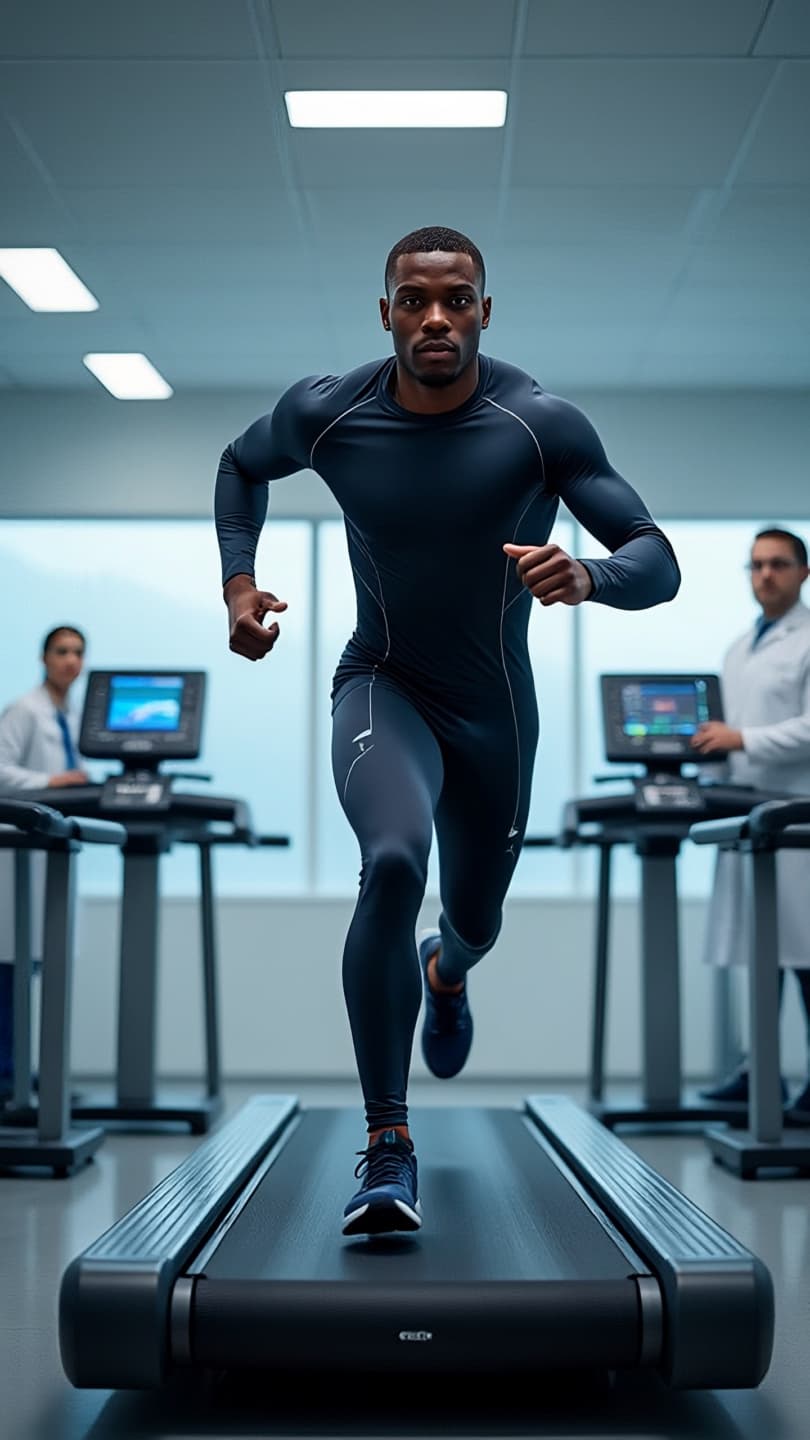
In the biomechanics laboratory in Prague and the training center in the Šumava hills, a new understanding of human capability is being shaped. As May 2026 approaches, national athletes are intensively preparing for continental competitions, marking a significant evolution in Czech sports science. This evolution is characterized by a harmonious blend of precision data and physical intuition, where every movement is analyzed not for mechanization but to unlock the hidden potential within muscle fibers and breathing rhythms. Here, technology acts as a mirror, clarifying both the strengths and vulnerabilities of athletes.
The atmosphere in the sports research centers is one of calm concentration. Micro sensors embedded in athletes' clothing transmit real-time data about step dynamics and stress levels, heralding the birth of evidence-based athletics. Discussions about aerodynamics, metabolic recovery, and performance psychology fill the air, creating a soundscape of new achievements. This pursuit of the body's noble efficiency is supported by algorithms designed to prevent injuries, showcasing a commitment to athlete welfare.
Czech sports innovation is focused on 'democratizing performance.' By adapting elite technology for consumer applications, the general public can now access health insights that were once exclusive to Olympic champions. This approach fosters a 'dynamic public health' model, where sports become a form of self-care backed by scientific research. It empowers individuals, demonstrating that the most advanced technology can enhance the quality of life and longevity for all citizens.
The importance of mental balance is also emphasized in the performance strategy for 2026, which integrates neuro-feedback to train athletes' psychological resilience under pressure. This soft power of mental clarity serves as a reminder that victories are often determined by mental fortitude as much as physical prowess. In the digital age, maintaining a harmonious relationship between mind and body is more crucial than ever.
Within the faculty of physical education and sports, discussions focus on 'digital augmentation ethics' and 'sustainable biomechanics.' Ensuring that technology serves as an aid rather than a replacement for human effort is a priority. Czech sports technology startups are emerging as key players in the global market, providing analytical solutions for international teams. This transition from traditional training to data-driven methodologies reflects a commitment to professionalism and relentless innovation.
The impact of these advancements is evident in the competitive performance of Czech athletes on the world stage and the growing fitness awareness among urban populations. Technology has introduced a new language for understanding our own body language. The sports science revolution of 2026 illustrates that by comprehending how our biological machines function, we can move further, faster, and longer with full awareness.
Reports from the Czech Sports Technology Association indicate a 35% growth in investment in performance analysis software development since 2024. Additionally, Charles University in Prague has inaugurated a new biomechanics laboratory focused on developing sports prosthetics and real-time athlete monitoring systems. Data shows that the use of AI-based health tracking applications in the Czech Republic has doubled, while the national program 'Active Nation 2026' has successfully reduced sports injury rates among amateurs through body mechanics education supported by technology.
Published by Banx Network. This article is part of the Banx decentralized media programme, powered by the BXE token on the XRP Ledger.



