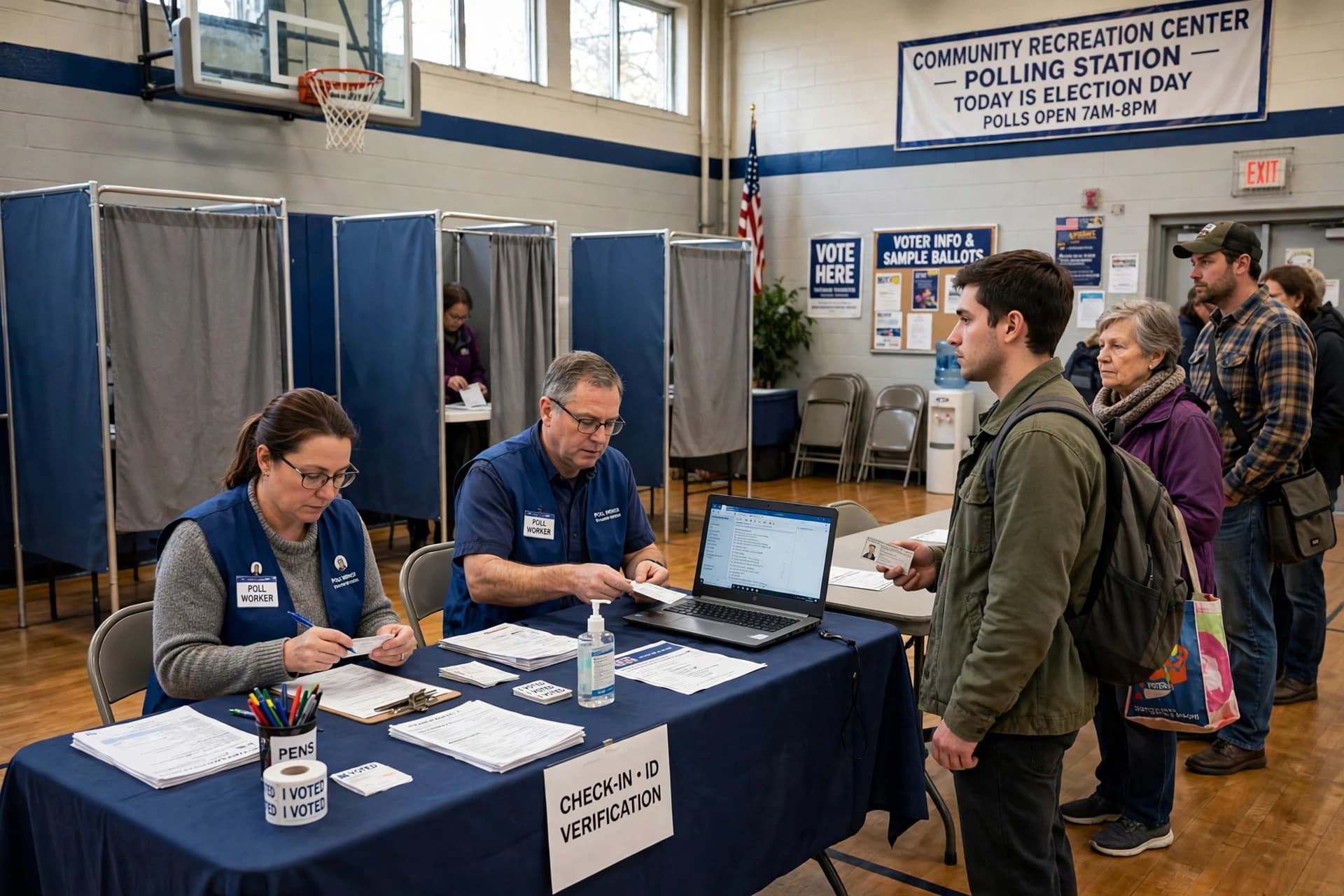
There is a quiet civic ritual in walking to a polling station before the official day, casting a ballot while the city is still deciding, while the campaign signs are still standing and the air has not yet settled into certainty. In Ottawa this October, that ritual drew more people than it has in years, a gentle surge of participation that suggests the municipal election has found its way into the consciousness of a city that often saves its attention for other levels of government.
According to Elections Ottawa, a total of 86,592 voters cast an early ballot across five early voting days ahead of election day on October 26 . The figure includes 59,039 voters who cast ballots on the single advance voting day held on October 16, and 27,553 who participated in four special advance voting days between October 1 and 4 . The total represents an 8.9 percent increase compared to the 2022 municipal election, when 79,491 voters cast early ballots across a different configuration of days .
The special advance voting period, held at ten locations across the city, saw its own notable rise. The four-day total of 27,553 was a 46 percent increase over the 18,876 who voted during the equivalent period in 2022, and a 76 percent increase over 2018 . Sunday, October 4, was the busiest of those days, with 8,086 ballots cast, followed by Friday with 6,854, Thursday with 6,724, and Saturday with 5,889 .
There is a subtlety in the comparison that deserves mention. This year, voters had one fewer day to cast an early ballot than in 2022, when advance voting was spread across two days rather than one . The increase in total early voters occurred despite that compression, which makes the turnout figures more notable than they might first appear.
At the ward level, Bay ward recorded the highest advance voter turnout on the final advance day, with 4,215 votes, while Barrhaven East had the lowest with 1,401 . The François Dupuis Recreation Centre in the city's east end was the busiest special advance voting location, drawing 4,238 votes across the four days . These are not numbers that change the outcome on their own, but they sketch a map of where engagement is concentrated.
What the numbers do not tell us is why. Municipal elections in Canada often struggle to draw attention, their turnout rates lagging behind provincial and federal contests. Whether this year's early voting increase reflects a particular contest, a particular concern, or simply a gradual cultural shift toward voting early, the data alone cannot say. What it can say is that more than eighty-six thousand people decided not to wait.
The final opportunity to vote is election day, October 26, when polls open from 10 a.m. to 8 p.m. . For those who have already cast their ballots, the work is done. For those who have not, the city is still waiting, quietly, with the same patience that democracy always asks of its participants.
AI Image Disclaimer: The visuals in this article are AI-generated and intended for illustrative purposes only.
Sources: Ottawa Citizen, CBC News, CTV News Ottawa, Elections Ottawa
Published by Banx Network. This article is part of the Banx decentralized media programme, powered by the BXE token on the XRP Ledger.