
Key Highlights
- The collectible toy market in Southeast Asia has reached record financial heights.
- Young adult consumers and social media trends drive the industry's growth.
- Environmental analysts warn of significant contributions to plastic waste.
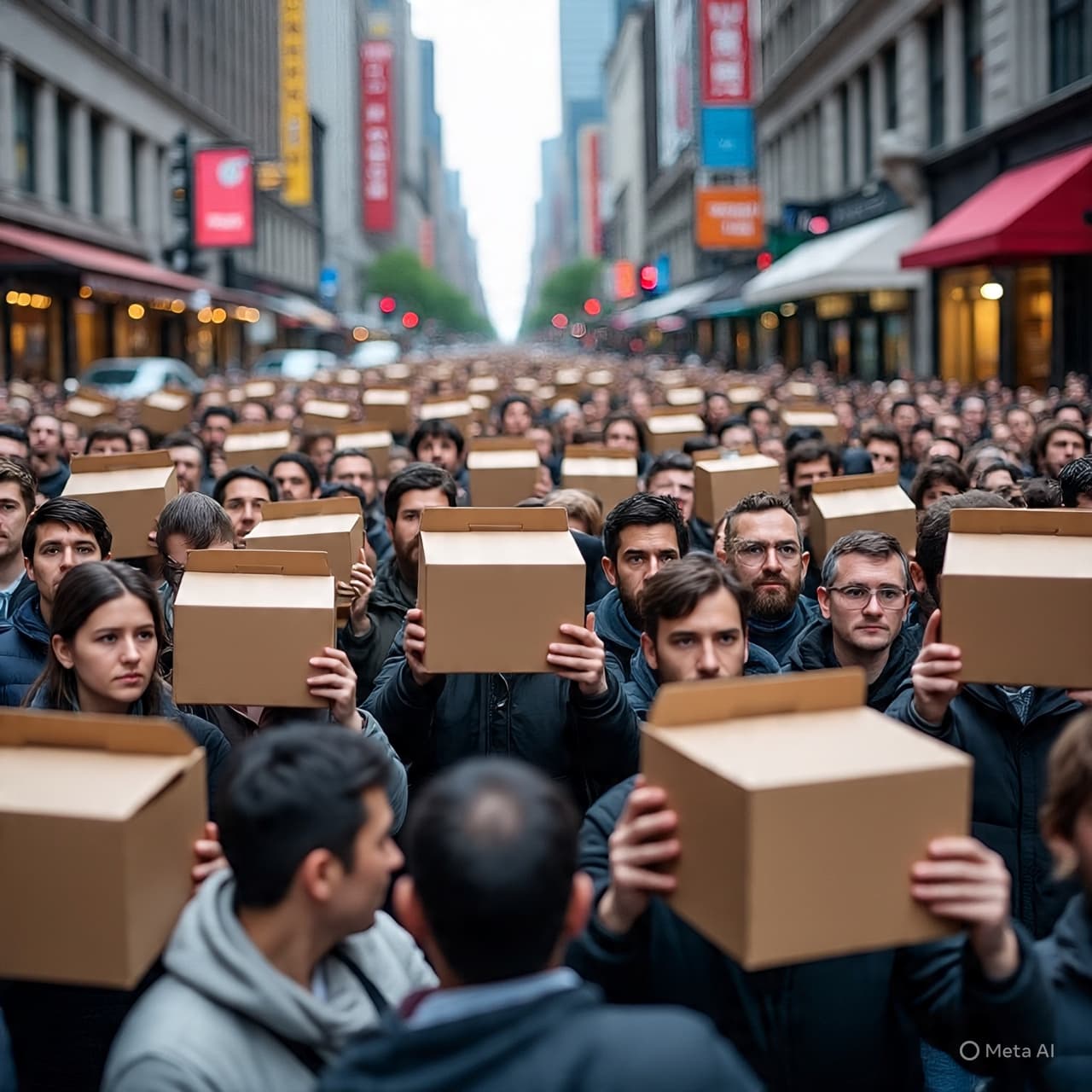
The collectible toy market in Southeast Asia has exploded in recent years, with industry reports indicating that it has reached unprecedented financial heights. This boom is largely fueled by young adult consumers who are heavily influenced by social media trends. The excitement of unboxing 'blind boxes'—mystery packages containing collectible figures—has captivated a generation, creating a vibrant market that thrives on novelty and surprise.
However, this trend comes with a significant environmental cost. Analysts are sounding the alarm about the rapid turnover of these products, which is contributing to a growing plastic waste crisis in the region. The toys that bring joy today often end up in landfills tomorrow, highlighting a troubling aspect of modern consumer culture: the throwaway mentality. As these colorful plastic items break down into microplastics, they pose a long-term threat to local ecosystems and marine life.
The lifecycle of these toys is a stark reminder of the environmental impact of consumerism. From factories to shipping containers, and finally to retail outlets, the journey of these products is marked by a diminishing value that culminates in waste. The 'blind box' phenomenon exemplifies the gamification of consumption, where the thrill of the purchase overshadows the actual utility of the item. This cycle of consumption requires an ever-increasing input of resources, further straining the environment.
As the trend continues to evolve, the conversation around sustainability becomes increasingly urgent. There is a growing movement among consumers and environmental advocates to seek alternatives to traditional plastic toys. Biodegradable materials, circular economy models, and a return to more durable forms of play are being explored as potential solutions. However, the billion-dollar momentum of the current market presents a formidable challenge to these efforts.
Governments in the region are beginning to take notice of the environmental implications of the collectible toy industry. Several are considering stricter regulations on packaging and non-recyclable materials used in toy production. These measures aim to mitigate the long-term impact on local ecosystems and encourage manufacturers to adopt more sustainable practices.
Looking ahead, the legacy of this plastic pulse will likely be recorded in the geological strata of the region. The brightly colored fragments of joy that define this era will persist long after the trends themselves have faded. The reflection on throwaway culture in 2026 serves as a call to action, urging society to find a balance between the desire for novelty and the responsibility to protect the environment.
In conclusion, while the collectible toy market continues to thrive, it is imperative that consumers, manufacturers, and policymakers work together to address the environmental challenges it presents. The future of play should not come at the expense of our planet.
Published by Banx Network. This article is part of the Banx decentralized media programme, powered by the BXE token on the XRP Ledger.



