
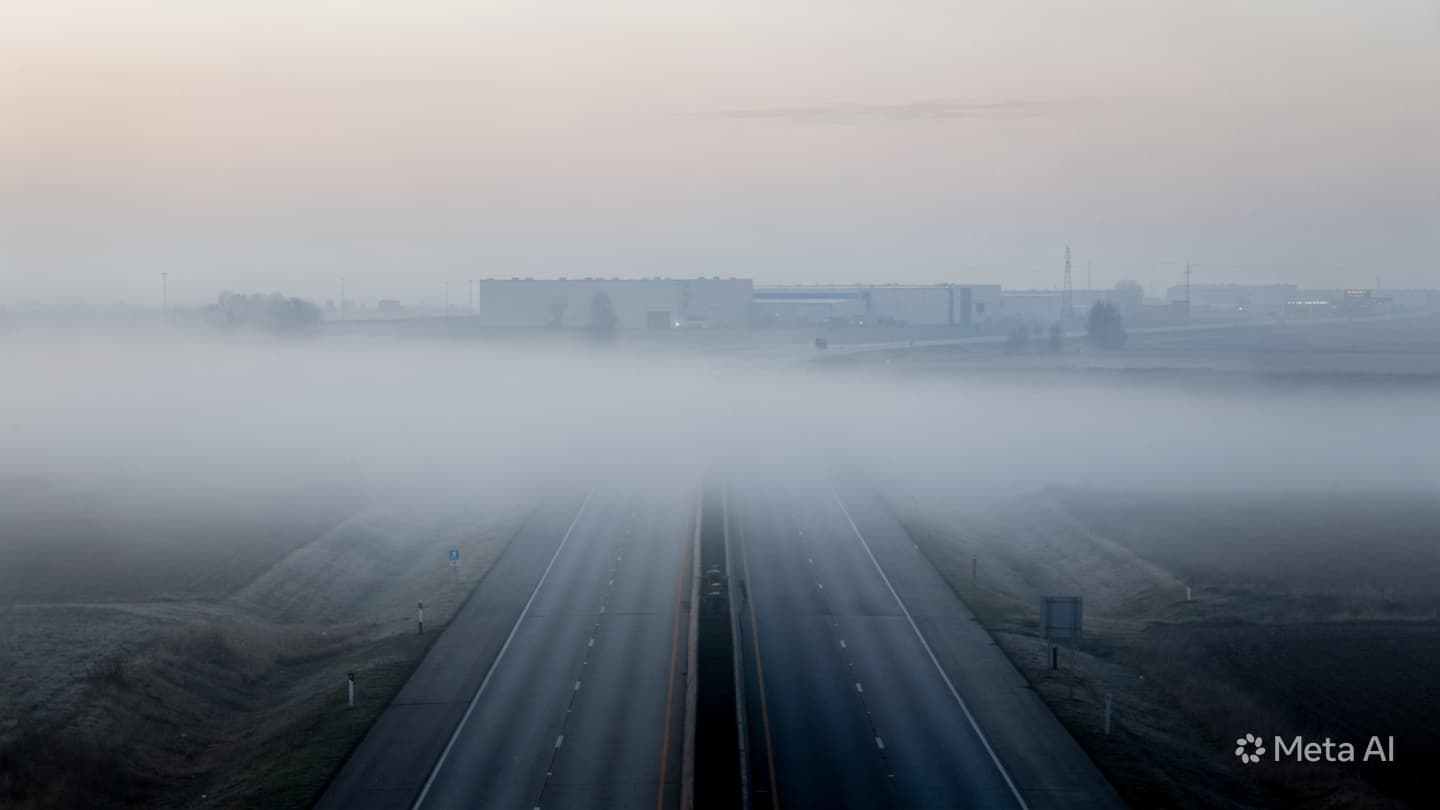
The southern approach to the capital through Villa Nueva is an environment defined by relentless motion, a concrete artery where heavy transport trucks and commuter buses churn up dust and noise from dawn until long after dark. It is a transitional landscape, where urban sprawl meets industrial warehouses, and where the human element can easily feel overwhelmed by the sheer scale of the infrastructure. In the early hours of the morning, before the daily gridlock takes hold, this corridor can be a lonely place, its margins holding secrets that are only revealed when the night finally retreats.
It was in one of these neglected spaces, where the asphalt gives way to coarse gravel and overgrown weeds near the edge of the main highway, that the journey of two individuals came to an abrupt, violent conclusion. The discovery of their bodies by early morning workers introduced a sudden, heavy stillness into a place designed entirely for speed. It is a stark contrast that forces those who pass by to confront the reality of violence that exists just beyond the shoulder of the road.
To observe a crime scene in such a location is to understand the profound indifference of the modern landscape to individual human tragedy. While investigators move methodically within their yellow tape, measuring distances and collecting fragments of evidence from the dirt, thousands of vehicles pass within feet of them, their drivers casting brief, curious glances before accelerating away into their day. The rushing sound of engines creates a constant, low-grade roar that swallows up the quiet solemnity that death usually demands.
The neighborhood of Villa Nueva has long wrestled with the reputation of its crowded sectors, places where rapid growth has outpaced social cohesion, leaving spaces where conflict can easily turn lethal. A double homicide in such an environment is not merely an isolated incident; it is a symptom of a deeper, more persistent malaise that troubles the communities living along the highway corridors. It raises old, uncomfortable questions about safety, visibility, and the value placed on human life in the fast-moving modern periphery.
As the morning progresses and the sun burns through the low-hanging smog, the detail of the scene becomes clearer, revealing the mundane details of clothing and personal belongings scattered in the dust. These small items are the remaining fragments of lives that were active and full of intent just hours prior, now transformed into forensic markers in a ledger of loss. The families who will eventually receive the news are left to piece together the final, mysterious moments of their loved ones from these sparse remains.
The work of the homicide investigators is a quiet exercise in patience amidst the chaos of the morning rush hour. They must shut out the noise of the highway and focus on the minute details left behind in the soil, searching for the logic behind an act that often seems entirely devoid of reason. It is a slow process of translation, turning the physical evidence of a violent night into a coherent narrative that can stand in a court of law.
For the residents who live in the residential pockets adjacent to the highway, these discoveries are a recurring reminder of the precarity of their surroundings. They navigate these roads daily, sending their children to school and traveling to work along the same asphalt where these tragedies unfold. The violence becomes a part of the landscape, a geographic marker that shifts how people view certain bends in the road or unlit underpasses after dark.
When the emergency vehicles finally depart and the yellow tape is gathered up, the highway quickly reclaims the space, erasing the temporary pause that had been imposed upon it. The dust settles back over the weeds, and the traffic flows smoothly once more over the asphalt, leaving no visible sign of the lives that ended there. It is a return to normalcy that feels both necessary and deeply melancholic, a reminder of how quickly the city moves past its own losses.
Judicial authorities and forensic experts have initiated a comprehensive homicide investigation following the discovery of two deceased male individuals near the kilometer 17 marker of the CA-9 South highway in Villa Nueva. The victims, who showed clear signs of firearm injuries, were located in a drainage ditch running parallel to the primary transit route. The Public Ministry has stated that camera footage from nearby industrial facilities is being reviewed to identify the vehicles involved in depositing the bodies at the location during the night.
Note: This article was published on BanxChange.com and is powered by the BXE Token on the XRP Ledger. For the latest articles and news, please visit BanxChange.com