

Key Highlights
- Ukraine's drone operations target strategic infrastructure near Moscow.
- Drones have become a defining feature of modern warfare.
- The conflict raises concerns about escalation and infrastructure protection.
The landscape of modern warfare is increasingly defined by technological advancements that extend beyond traditional battlefields. In the ongoing conflict between Russia and Ukraine, drones have emerged as a pivotal element, reshaping military strategies and security calculations. Recently, Ukraine executed one of its largest drone operations, targeting strategic infrastructure in areas near Moscow. This operation underscores the evolving nature of warfare, where unmanned aerial systems play a crucial role in both offensive and defensive strategies.
Reports indicate that the drone strikes focused on facilities linked to energy and industrial operations, highlighting the significance of these targets in the broader context of the conflict. Russian authorities confirmed the drone activity, noting that air defense systems were activated in response to the incoming threats. Temporary disruptions were reported in several locations as emergency protocols were initiated, illustrating the immediate impact of these operations on civilian infrastructure.
The reliance on drones has become a hallmark of the ongoing war, with both Russia and Ukraine increasingly utilizing unmanned aerial systems for surveillance, reconnaissance, and strike missions. Military analysts emphasize that drones offer a cost-effective alternative to traditional aircraft, enabling nations to conduct operations that would have previously required substantial resources. This shift not only expands operational reach but also introduces new security challenges, as both sides adapt to the changing dynamics of warfare.
The recent drone attacks also bring to light the critical importance of infrastructure protection in military planning. Energy facilities, transportation networks, and industrial sites have become focal points in the strategic calculations of both parties. As military operations increasingly target these vital assets, the potential for collateral damage and civilian casualties raises significant ethical and strategic concerns.
International observers are closely monitoring the situation, with heightened concerns about the potential for escalation. The proximity of military operations to major population centers and critical economic assets amplifies the risks associated with drone warfare. As the conflict continues, the implications of these technological advancements on regional security dynamics remain profound.
Despite ongoing diplomatic efforts aimed at reducing hostilities, progress has been slow. Periodic discussions involving international mediators have failed to bridge the substantial differences between the conflicting parties. The complexity of the situation is compounded by the evolving nature of military technology, which continues to reshape strategic thinking and operational planning.
As the Russia-Ukraine conflict persists, the events surrounding the latest drone operations serve as a stark reminder of how modern warfare is transforming traditional notions of conflict. The integration of advanced technologies into military strategies not only alters the battlefield but also poses new challenges for international security and diplomacy.
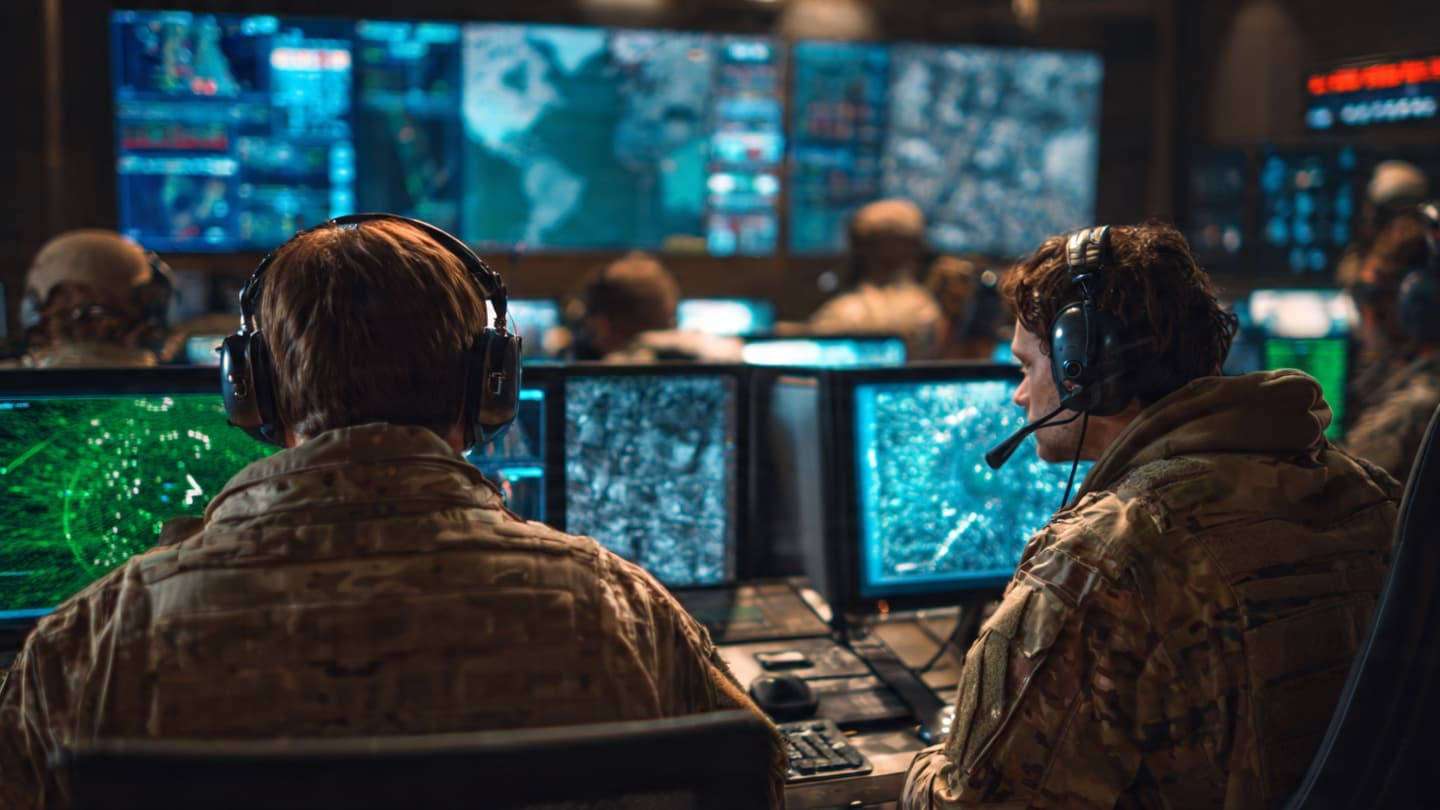
AI Image Disclaimer: Visual illustrations accompanying this article were generated with AI technology and do not depict actual events or locations.
Published by Banx Network. This article is part of the Banx decentralized media programme, powered by the BXE token on the XRP Ledger.




