
Key Highlights
- Event Duration:The Ruta Micológica runs from May through November 2026.
- Focus:The initiative emphasizes the ecological role of fungi in Costa Rica's forests.
- Recognition:The project has received the Esencial Costa Rica seal for sustainability.
The high, mist-shrouded forests of Cerro de la Muerte, where the air is thick with the scent of damp moss and ancient oaks, are the backdrop for a unique initiative that invites exploration beyond the typical tourist attractions of volcanoes and beaches. The Ruta Micológica, or Mushroom Route, has returned for its fifth consecutive year, encouraging visitors to delve into the intricate world of fungi. This initiative not only highlights the beauty of these organisms but also emphasizes their critical role in the ecosystem, particularly during the rainy season when they thrive.
The Ruta Micológica represents a significant shift in how tourism is approached in Costa Rica. It reflects a growing understanding that sustainability encompasses the entire web of life, including the often-overlooked decomposers that play a vital role in forest health. Guided walks along the route have evolved from mere observation to active participation in citizen science, where tourists engage with the environment in meaningful ways. This transformation fosters a deeper connection to the land and its ecosystems, encouraging a more responsible form of travel.
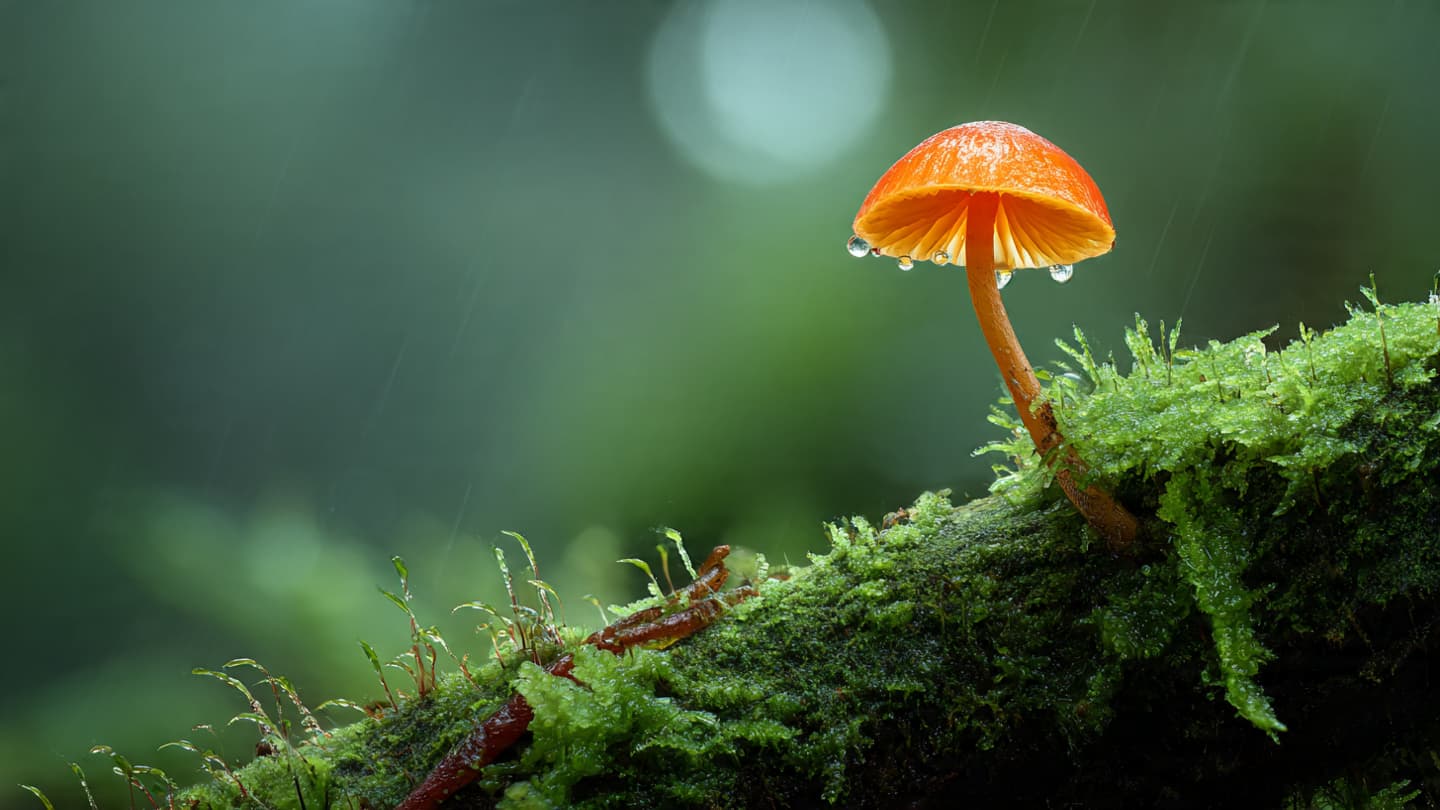
Participants in the Ruta Micológica, often referred to as "myco-tourists," engage with the forest in a way that is both contemplative and educational. As they navigate the trails, their focus shifts from the grandeur of the landscape to the delicate details of fungi, such as the intricate gills and vibrant caps. The experience is enhanced by the sounds of nature—the soft patter of rain on leaves and the quiet gasps of discovery as travelers encounter bioluminescent fungi hidden in the shadows. This immersive approach transforms the forest into a living laboratory, where every observation contributes to a greater understanding of biodiversity.
The Ruta Micológica is not just about the thrill of discovery; it is a cornerstone of Costa Rica's regenerative tourism strategy. By cultivating an appreciation for fungi, the initiative aims to create advocates for the protection of fragile habitats, such as the oak forests of the Central Highlands. This collaboration between scientists, local guides, and communities fosters a more resilient form of eco-tourism, positioning Costa Rica as a leader in sustainable travel practices.
As the Ruta Micológica expands into new territories, the potential for scientific contributions increases with each logged observation. Participants utilize digital platforms to document their findings, becoming part of a global network that helps map the biodiversity of tropical ecosystems. This initiative showcases how the tourism sector can thrive during the "green season" by highlighting the unique beauty of the damp and dim, revealing the forest's mysteries one spore at a time.
The atmosphere in the rural communities along the route is one of pride and collaboration. Local guides, trained in the nuances of field identification, share their knowledge with reverence, blending traditional ecological wisdom with modern scientific practices. The Ruta Micológica serves as a space where these two worlds intersect, contributing to the ongoing narrative of conservation in Costa Rica.
The sight of a traveler kneeling in the mud to photograph a tiny, translucent mushroom invites reflection on the value of the small and the role of technology in enhancing our connection to nature. In Costa Rica, this mycological awakening exemplifies the transformative power of curiosity, revealing the hidden magic that sustains the earth and its inhabitants.
Organized by Oropopo Experience and Funga Conservation, the Ruta Micológica Costa Rica 2026 runs from May through November. The project has been awarded the Esencial Costa Rica seal for its commitment to sustainability and innovation. Activities include guided walks in Monteverde, the Cerros de Escazú, and San Gerardo de Dota, focusing on education, photography, and the ecological role of wild fungi.
Published by Banx Network. This article is part of the Banx decentralized media programme, powered by the BXE token on the XRP Ledger.



