
Key Highlights
- Discovery:Researchers have identified a new organelle in rumen microbes.
- Impact:This organelle plays a crucial role in methane production.
- Potential:The finding offers a new target for reducing agricultural emissions.
[Scientific Breakthrough in Microbiology]
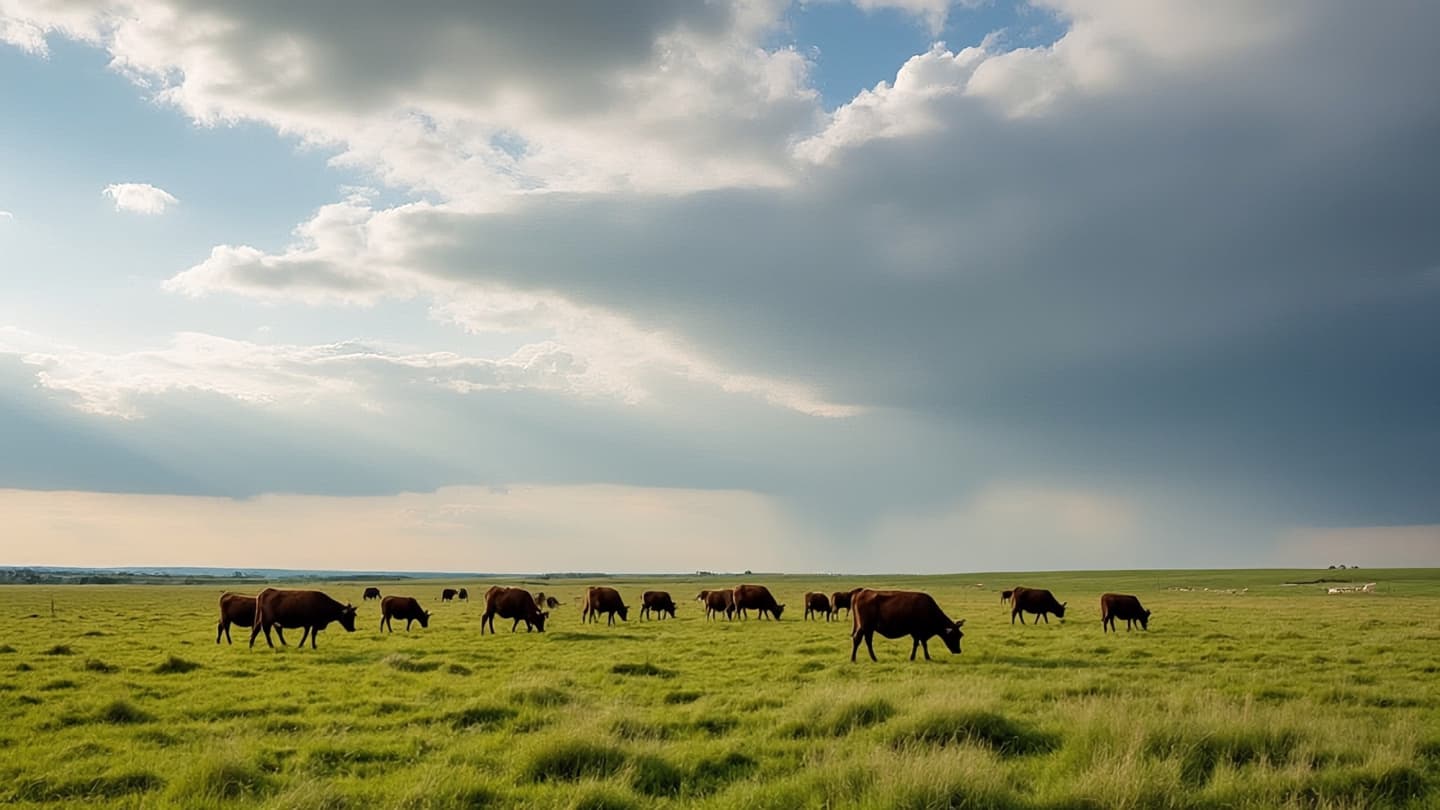
The rolling green hills of the countryside are often seen as a place of timeless tradition, yet beneath the rhythmic grazing of the herd, a microscopic revolution is being uncovered. Scientists have recently identified a previously unknown organelle within the complex digestive systems of certain microbes, a discovery that could hold the key to significantly reducing methane emissions in livestock. This finding not only highlights the intricate relationship between biology and climate change but also opens new avenues for sustainable agricultural practices.
Methane, a potent greenhouse gas, is produced in the rumen of cattle as a byproduct of digestion. The discovery of this new organelle provides a specific target for intervention, allowing researchers to guide the microbial residents of the gut toward a more environmentally friendly future. The excitement surrounding this research stems from the potential to mitigate one of the significant contributors to global warming through a better understanding of microbial processes.
[Understanding the Role of the Organelle]
An organelle is a specialized structure within a cell that performs a specific function. The identification of a new organelle in rumen microbes is a rare and significant event, akin to discovering a new room in a house we have lived in for centuries. This research involves mapping the internal geography of the microbe, identifying the mechanisms that control the release of methane gases. By understanding how this organelle operates, scientists can explore ways to influence its function and potentially reduce methane emissions at the source.
In laboratories, researchers are meticulously examining the organelle's role in digestion and gas production. The goal is not to disrupt the delicate balance of the animal’s digestive system but to refine it. By deciphering the chemical pathways associated with this new structure, scientists can develop strategies to inhibit methane production, contributing to a more sustainable livestock industry.
[Implications for Agriculture and Climate Change]
The discovery of this organelle is a testament to the persistence of scientific exploration. It suggests that even in the most studied areas of biology, there are still secrets waiting to be uncovered. This organelle acts as a biological regulator, and its discovery is a significant advancement for an industry increasingly focused on harmonizing food production with environmental health. The potential for developing methane-reducing additives or specialized probiotics is now more than just a theoretical concept; it is a tangible possibility grounded in cellular reality.
As findings are disseminated, the focus shifts to practical applications of this knowledge. The quiet work of sustainability is being performed at the molecular level, ensuring the longevity of traditional farming practices while addressing the urgent need to combat climate change. This organelle serves as a bridge between agricultural practices and atmospheric health, offering a microscopic solution to a global challenge.
[Looking Ahead]
The story of the newly discovered organelle is one of profound connectivity. It emphasizes that every living organism, no matter how small, plays a role in the intricate systems that regulate life on Earth. The ability to intervene at this cellular level reflects our growing mastery of biology and our responsibility to use that knowledge for the greater good. The breath of a single cow is now linked to the temperature of the entire planet, highlighting the interconnectedness of life and the environment.
In conclusion, this discovery serves as a reminder that hope can often be found in the most unexpected places. As researchers continue to study the life within livestock, they are uncovering new ways to protect the air we breathe and mitigate the impacts of climate change. The newly identified organelle stands as a testament to the complexity of life and the relentless human curiosity to understand and preserve it.
Published by Banx Network. This article is part of the Banx decentralized media programme, powered by the BXE token on the XRP Ledger.



