On Super Bowl night, the hours stretch in a particular way. The air inside living rooms hums with anticipation, snacks laid out with care, voices rising and falling in familiar rhythms. Outside the game itself, another ritual unfolds — brief interludes of sound and motion that slip between plays, asking not for loyalty but for attention. This year, those moments carried an unfamiliar undercurrent, subtle yet persistent, like a new instrument introduced into a well-rehearsed orchestra.
Across screens large and small, brands began to speak in the language of artificial intelligence.
A vodka brand long associated with sleek futurism stepped into this moment with deliberate flair. Its commercial leaned into generative imagery and machine-assisted choreography, presenting a spectacle where metallic figures moved with improbable ease. The effect was playful, slightly uncanny, and unmistakably of its time — a reminder that creativity itself is shifting, guided now by both human instinct and algorithmic suggestion. The ad did not announce a revolution so much as drift into one, inviting viewers to accept collaboration between code and imagination as something almost ordinary.
Elsewhere in the lineup, a very different presence emerged. An artificial intelligence company, better known for its research papers than for glossy marketing, used its airtime sparingly. The message was restrained, even wry, positioning its technology not as a vehicle for advertising, but as something deliberately separate from it. In a landscape crowded with persuasion, the spot offered a pause — a quiet assertion that intelligence need not always arrive with a sales pitch attached.
Other advertisers folded AI into gentler narratives. Some framed it as an unseen assistant, helping families organize their lives or solve small problems. Others suggested it as a creative partner, expanding the boundaries of storytelling itself. In each case, artificial intelligence was not presented as a spectacle alone, but as a presence — embedded, ambient, increasingly familiar.
Yet beneath the surface, there was a faint tension. For all the polish and novelty, these moments raised questions that lingered beyond the final whistle. What happens to authorship when machines help imagine the image? Where does authenticity settle when creation becomes collaborative in ways we are only beginning to understand? The commercials did not answer these questions directly. They simply placed them gently in the room, like objects left on a table to be noticed later.
As the game concluded and the stadium lights dimmed, the ads slipped quietly into memory. What remained was not just a catalog of brands, but a record of a cultural turn — a night when artificial intelligence stepped fully into one of the most watched hours of the year. Not with thunder, but with presence.
During Super Bowl LX, multiple companies incorporated artificial intelligence into their advertising strategies, including a largely AI-generated commercial from Svedka and a high-profile spot from AI company Anthropic emphasizing its ad-free positioning. Other brands highlighted AI-driven creativity and functionality, reflecting a broader shift in how technology is woven into mainstream storytelling.
AI Image Disclaimer
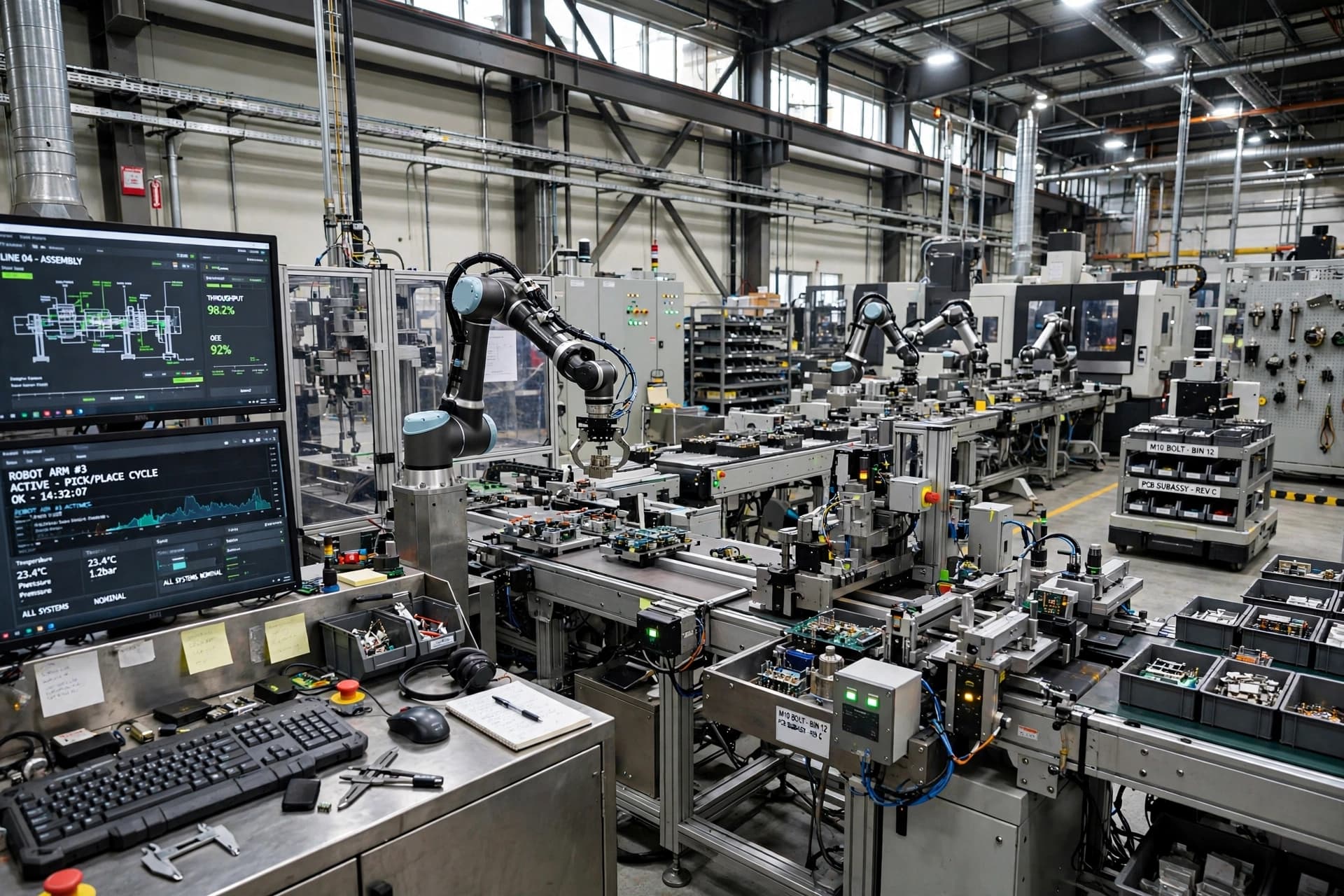
Illustrations were created using AI tools and are not real photographs.
Sources (Media Names Only)
TechCrunch The Verge Associated Press The Hollywood Reporter
Published by Banx Network. This article is part of the Banx decentralized media programme, powered by the BXE token on the XRP Ledger.