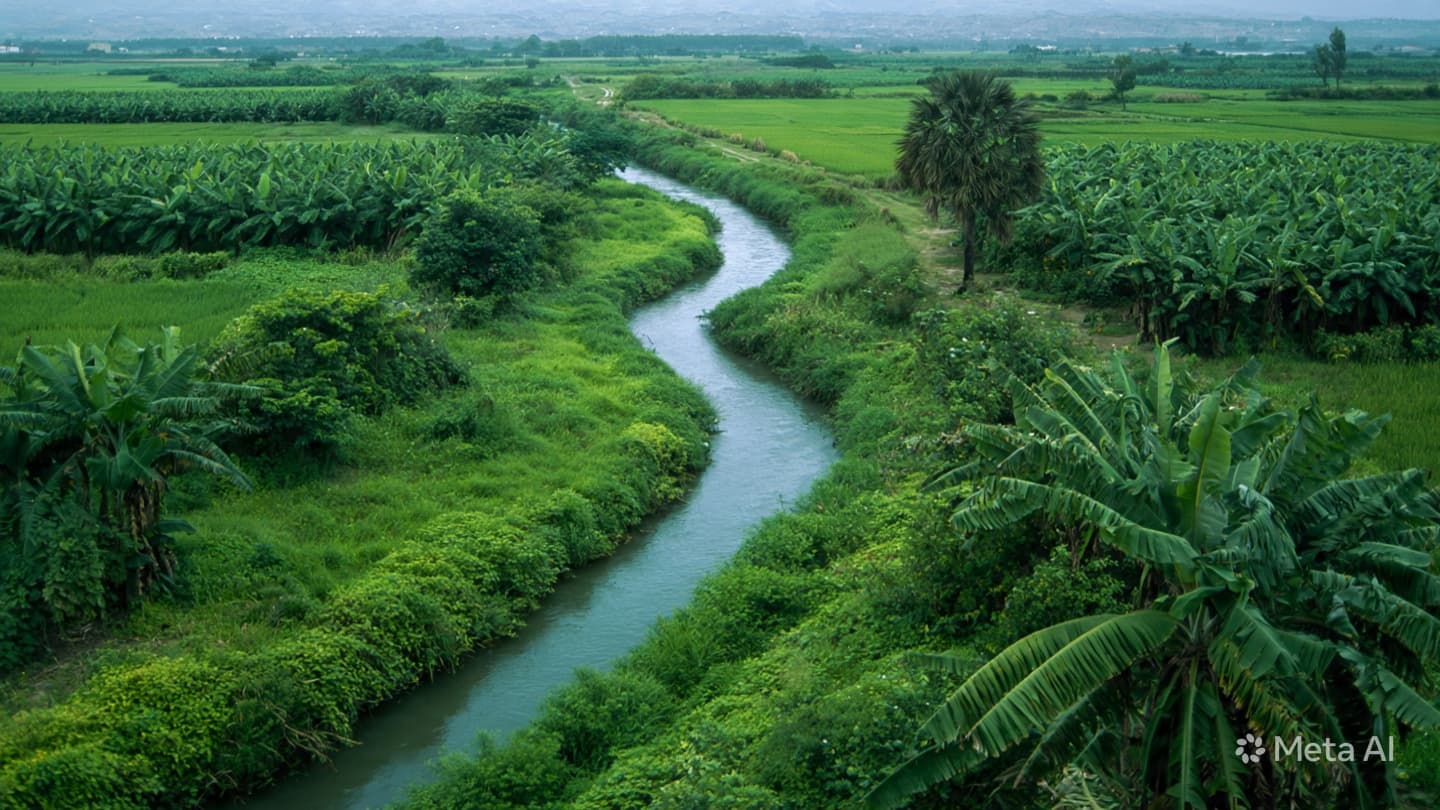
The landscape of Guayas is defined by its water—a vast, intricate network of rivers, estuaries, and irrigation canals that act as the veins of the region’s agricultural life. To drive through this landscape is to be constantly aware of the presence of the water, a shimmering, reflective boundary that separates the solid ground from the depths. The roads that follow these routes are often intimate, precarious ribbons of asphalt, where the line between the safety of the path and the peril of the canal is thin and easily crossed. When a vehicle leaves the road and descends into the water, the transition is sudden, jarring, and final.
The fatality resulting from the crash into the canal is a stark, quiet reminder of the risks that accompany every journey through this beautiful, water-logged region. There is a terrifying, elemental speed to such an accident—a moment of lost control, the brief, frantic friction of tires on gravel, and then the heavy, enveloping silence of the canal. The water, which provides life and sustenance to the valley, becomes, in that singular, tragic instant, a place of terminal stillness. It is a loss that leaves behind a profound, unanswered question, a void in the local landscape that resonates with all who traverse these paths.
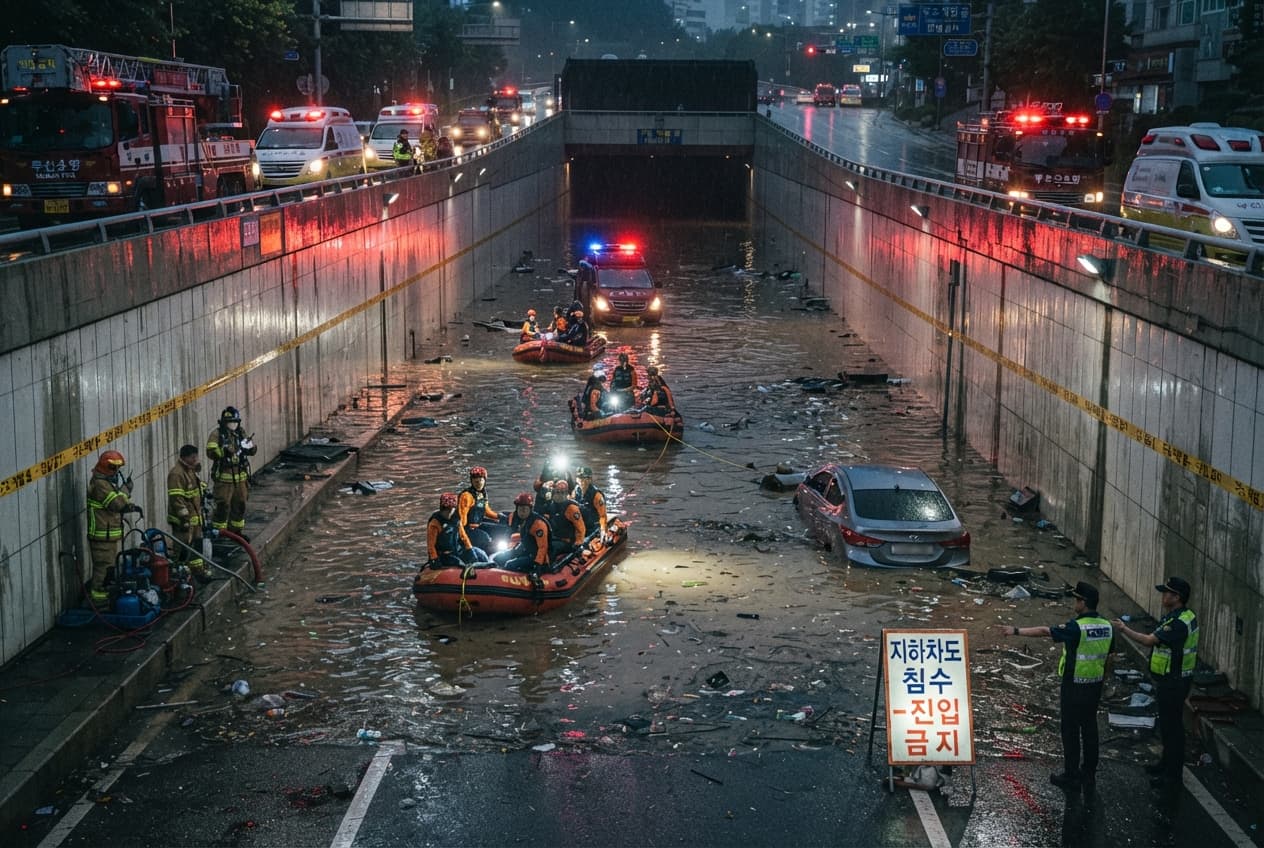
Responders tasked with the recovery work in the canal face a complex, chilling reality. They move through the murky, opaque water with a focused, quiet intensity, their actions dictated by the need for precision and the grim, necessary urgency of the mission. The recovery of the victim is a solemn, deliberate act of restoration, a way of returning the person to the community and providing a measure of closure to a narrative that ended in the depths. Their presence is a quiet, necessary counterweight to the indifferent power of the canal, a commitment to the dignity of the lost that operates far from the headlines.
The investigation will proceed with a cool, meticulous focus on the conditions of the road, the mechanics of the vehicle, and the chain of events that led to the departure. This is the stage where the city turns the event into knowledge, seeking to reinforce the barriers against future incidents. For those involved, the event may eventually fade into a memory, but the canal remains—a permanent, reflective presence in the landscape, a reminder of the fragility of our transit through the valley. The road is repaired, the barrier, perhaps, is strengthened, and the flow of traffic continues, forever marked by the memory of the loss.
Guayas, as a region, is accustomed to its challenges, yet the vulnerability of the transit network reminds us of the fragility inherent in our rural connections. The design of our roads is an attempt to create islands of stability, yet we remain dependent on the maintenance of these systems and the diligence of our drivers. The crash serves as a stark, brief meditation on the ways in which we trade safety for the convenience of modern movement, and the speed with which that harmony can be disrupted by a single, errant shift.
As the day turns into night, and the moonlight catches the surface of the canal, the site of the accident becomes a place of quiet, haunting reflection. It is a reminder that safety is not a static condition, but an ongoing, active negotiation between the people and the landscape they traverse. Every road sign, every guardrail, and every inspection is a reflection of this shared commitment to preservation. We move through our days in these interconnected, complex landscapes with an assumption of security that is sustained by a vast, often invisible, network of vigilance.
Ultimately, the tragedy in Guayas is a story of loss, not just of the individual, but of the sense of security we derive from our paths. It is a quiet, contemplative moment in the life of the region, a brief pause that reinforces the value of our journeys, our safety, and our connections to one another. The canal looks on, learns, and continues to flow, holding within itself the memory of the crash and the collective sigh of relief that follows when we arrive safely at our destinations. Stability is a fragile victory, one that we work to maintain each day, on every mile of the road.
Published by Banx Network. This article is part of the Banx decentralized media programme, powered by the BXE token on the XRP Ledger.