
Key Highlights
- Trial in Paris:A Masonic lodge faces serious criminal allegations.
- Allegations include influence peddling and violence, raising concerns.
- The trial reflects on the intersection of secrecy and legality in society.
The city of Paris, known for its rich history and vibrant culture, is currently the backdrop for a significant trial that has captured public attention. This trial, which centers on a Masonic lodge, has opened a window into a world often shrouded in secrecy. Allegations of a criminal network operating under the guise of this ancient fraternity have emerged, prompting a closer examination of the intersection between esoteric traditions and modern law.
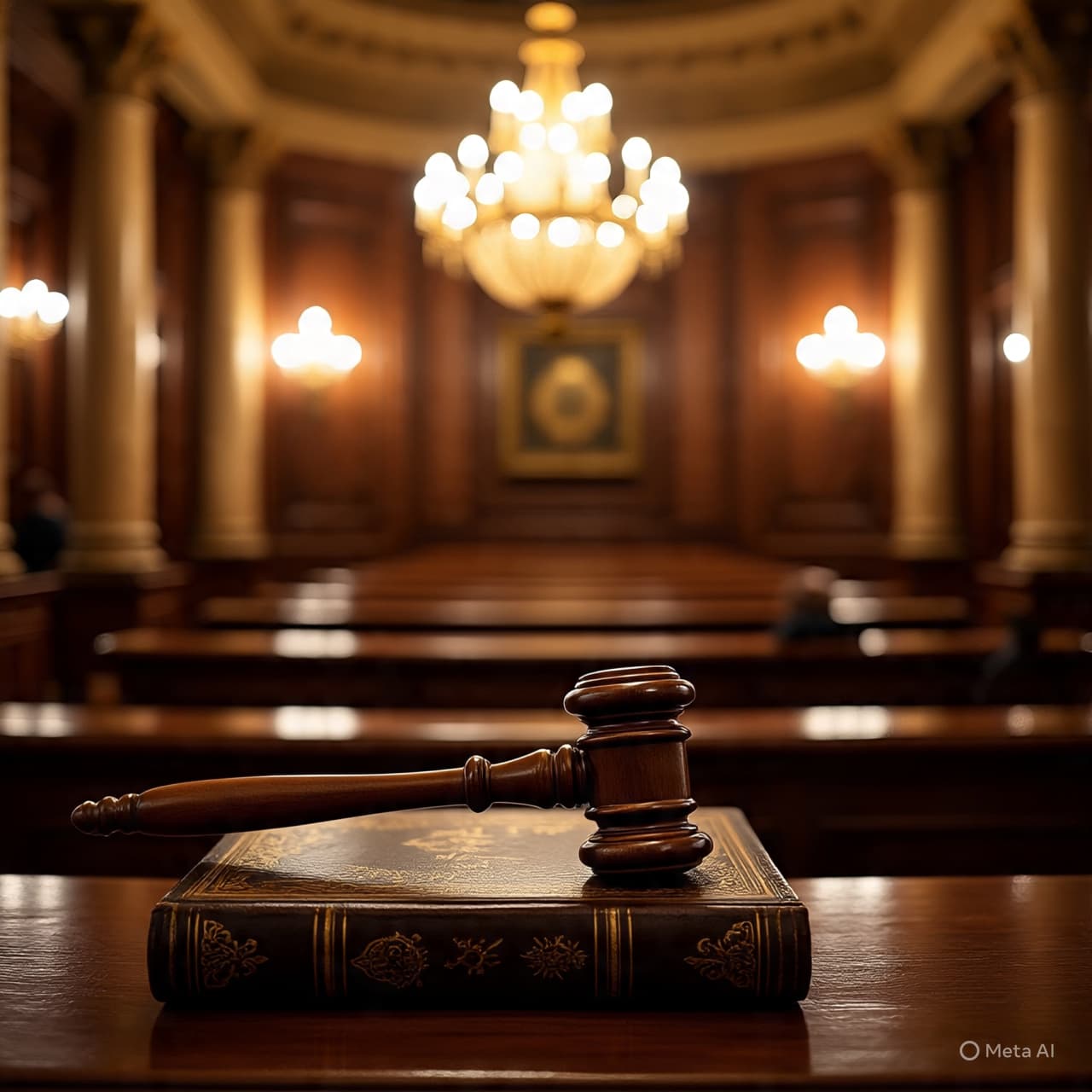
As the trial unfolds in the Palais de Justice, the atmosphere is charged with anticipation. The defendants, once influential figures within the city, now find themselves under the scrutiny of the legal system. The courtroom proceedings are marked by a meticulous examination of evidence and testimony, as the court seeks to distinguish between the symbolic rituals of Freemasonry and the alleged criminal activities that have surfaced. This juxtaposition of the sacred and the profane adds a layer of complexity to the case, drawing in observers who are both intrigued and concerned.
The allegations against the lodge members are serious, encompassing a range of criminal activities from influence peddling to acts of violence. These claims paint a troubling picture of a network that sought to manipulate the structures of power within Paris. The legal teams are tasked with unraveling a web of connections that may reveal the extent of the lodge's influence and the implications for the broader community. The trial is not just a legal proceeding; it is a narrative filled with intrigue, loyalty, and betrayal, reminiscent of a gripping thriller.
For the Masonic community in France, the trial represents a moment of introspection. The organization, which prides itself on the pursuit of enlightenment and moral improvement, now faces a crisis of reputation. Members are watching closely, concerned about how these allegations might tarnish the image of an institution that has historically been associated with secrecy and exclusivity. The trial serves as a stark reminder that even the most venerable organizations are not immune to the flaws of human nature.
Outside the courtroom, life in Paris continues unabated. Cafes buzz with conversation, and tourists flock to the city's iconic landmarks, seemingly unaware of the drama unfolding in the Palais de Justice. Yet, for those following the trial, the perception of the city has shifted. There is a heightened awareness of the dualities that exist within Paris—the public versus the private, the visible versus the hidden. This trial is a poignant reminder that the city's narrative is still being written, often in the quiet corners where power dynamics play out away from the public eye.
As the trial progresses, the legal process moves forward with a deliberate pace, ensuring that every voice is heard and every piece of evidence is thoroughly examined. The proceedings are expected to last several weeks, as the court delves deeper into the complexities of the case. This methodical approach underscores the importance of justice in addressing the intricate challenges posed by such a shadowy world.
As the sun sets over Notre Dame, casting long shadows across the city, the trial continues to unfold, adding another chapter to Paris's storied history. The ongoing dialogue between secrecy and revelation remains a central theme in the city's narrative, as the trial explores the delicate balance of power, trust, and the quest for truth in a world often obscured by darkness.
Published by Banx Network. This article is part of the Banx decentralized media programme, powered by the BXE token on the XRP Ledger.



