
Key Highlights
- Papua New Guinea's Prime Minister James Marape strengthens ties with China.
- The Frieda River Project is set to accelerate mining and agricultural development.
- New agreements aim to enhance PNG's economic position on the global stage.
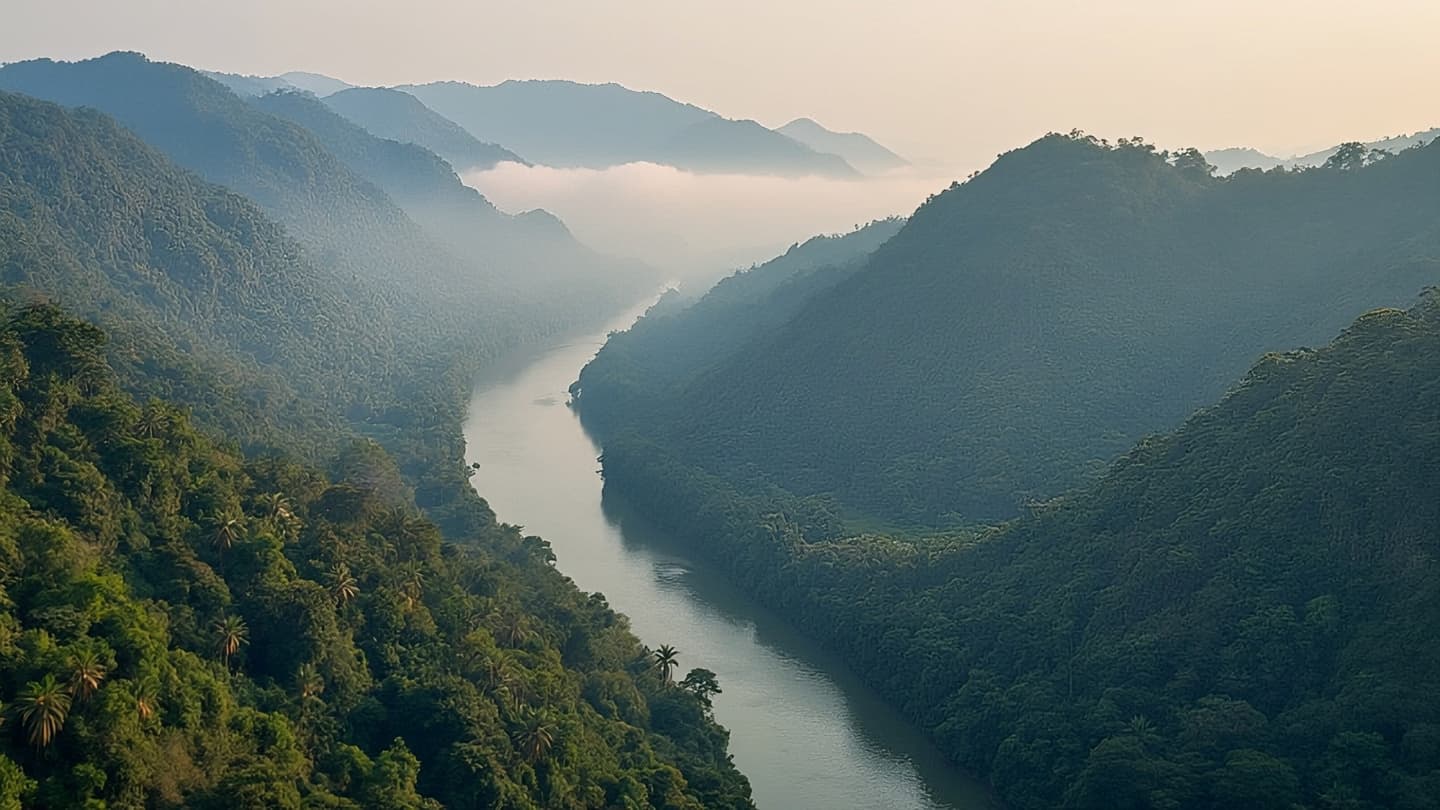
In the misty mornings of the Sepik region, a significant shift in global influence is unfolding in Papua New Guinea. Prime Minister James Marape has recently reaffirmed a partnership with China that aims to reshape the nation’s industrial and agricultural landscape. This evolving relationship is not merely transactional; it represents a deeper connection between two cultures, where the ancient traditions of Papua New Guinea meet the rapid modernization of Asia.
The Frieda River Project, long considered a dormant giant, is now being revitalized through this renewed partnership. This initiative is more than just a mining venture; it symbolizes a bridge between the rich cultural heritage of the Highlands and the technological advancements of China. The project is expected to unlock vast mineral resources, including copper and gold, which are essential for both nations' economic aspirations.
High-level discussions surrounding the Frieda River Project reflect a careful balance between infrastructure development and the preservation of Papua New Guinea's unique way of life. The government’s commitment to fast-tracking this project indicates a shift towards harnessing the country’s natural resources to fuel national growth. This narrative of convergence highlights how the technical expertise from the North can align with the untapped potential of the Southern Pacific, creating a mutually beneficial relationship.
Beyond the mining sector, the partnership with China extends into agriculture, tapping into the fertile lands of Papua New Guinea. The expansion of agricultural cooperation suggests a future where local farmers can thrive through international collaboration. This initiative is not solely focused on exports; it aims to cultivate self-reliance and sustainable growth, ensuring that the benefits of this partnership are felt by the local communities.
As the sun rises over Port Moresby, the implications of these strengthened ties become increasingly evident. Papua New Guinea is transitioning from a peripheral player to a more strategic position on the global stage. The dialogue between Marape and Chinese officials serves as a catalyst for the nation’s development strategy, signaling that the time for action has arrived. This moment marks a profound transition, where traditional values begin to merge with modern industrial practices.
Observers note that this alliance is grounded in a pragmatic understanding of contemporary needs. China’s demand for resources aligns with Papua New Guinea’s aspirations for structural growth, creating a symbiotic relationship that is difficult to overlook. The atmosphere in the capital is charged with anticipation, as decisions made today will pave the way for new economic pathways through the dense forests of Sepik.
Ultimately, the story of Papua New Guinea and China is one of patience and the arrival of opportunity. The Frieda River, once a symbol of isolation, is now positioned as a cornerstone of a new economic reality. This partnership exemplifies the power of persistent diplomacy and the quiet confidence of a nation poised to thrive in a rapidly changing world.
Prime Minister James Marape has finalized agreements with Chinese counterparts to accelerate the Frieda River mining project and expand agricultural initiatives, marking a significant step forward in this evolving partnership.
Published by Banx Network. This article is part of the Banx decentralized media programme, powered by the BXE token on the XRP Ledger.



