
Key Highlights
- Economic Growth:Uzbekistan targets a 6.8% growth rate by 2026.
- Skills Gap:A significant challenge threatens to hinder workforce readiness.
- Educational Reform:Emphasis on vocational training is crucial for future success.
Uzbekistan's ambition is reflected in its economic projections, with a target of 6.8 percent growth by 2026. This figure symbolizes the nation's aspirations for modernization and development, but it also highlights a pressing issue: the skills gap that threatens to undermine this progress. As the country strives to build a robust economy, the need for a skilled workforce becomes increasingly critical.
The skills gap represents a silent crisis, one that manifests not through dramatic market failures but through unfilled job vacancies. Analysts warn that without a workforce equipped with the necessary skills, the anticipated economic growth may not translate into real opportunities for the population. The challenge lies in aligning educational outcomes with the demands of a rapidly evolving job market.
In a world where skyscrapers rise faster than educational curricula can adapt, the irony is palpable. The focus must shift from merely increasing production capacity to enhancing the quality of education and training. This transition requires a concerted effort to invest in human capital, ensuring that the workforce is prepared to meet the challenges of a modern economy.
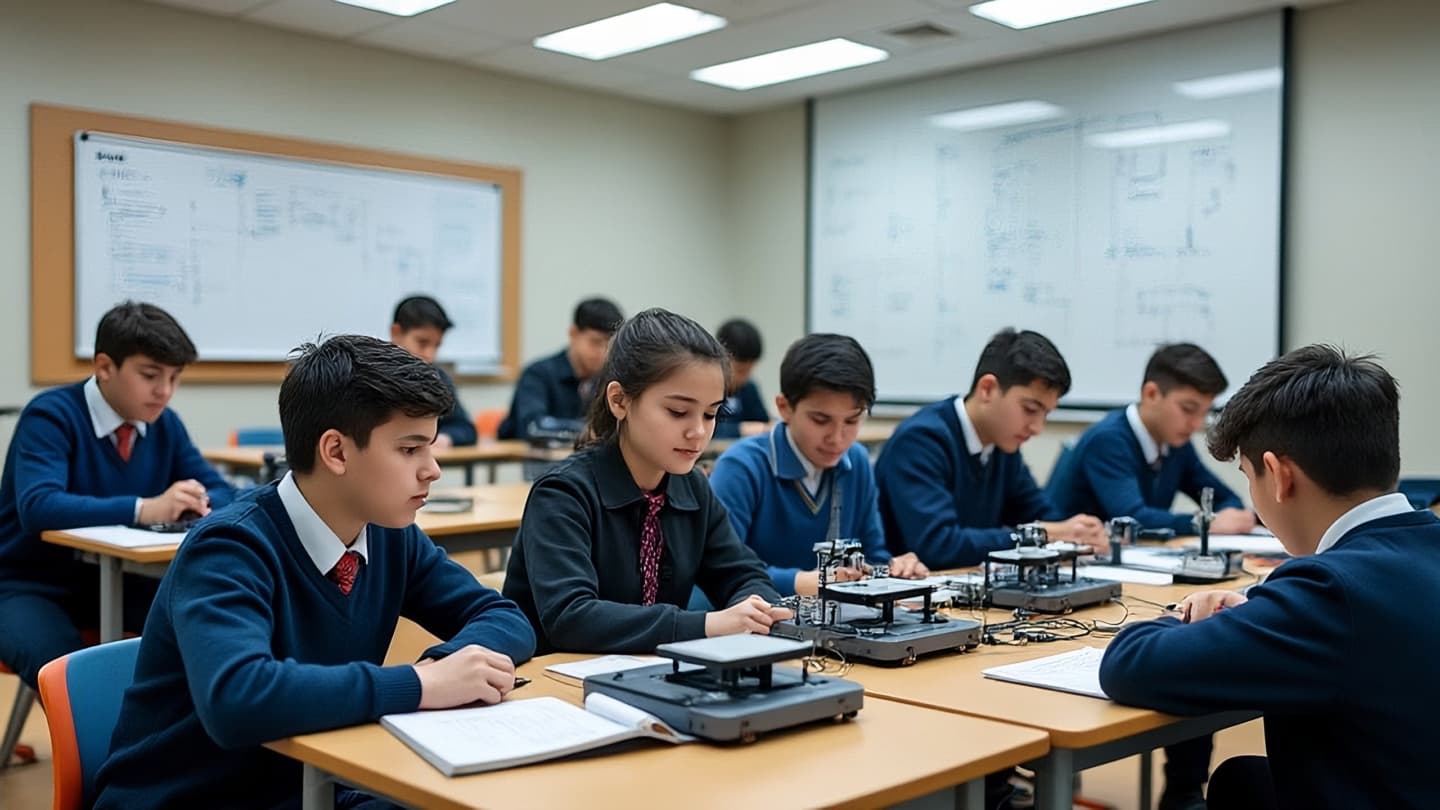
Economic think tanks are increasingly identifying the skills gap as a primary obstacle to growth. Rather than viewing it as a failure, experts suggest it is a growing pain indicative of the country's transition into a more complex economic landscape. The solution lies in prioritizing vocational training and technical education, which can equip individuals with the skills needed to thrive in emerging industries.
The youth in cities like Samarkand and Bukhara embody this challenge, looking towards new industries with a blend of hope and apprehension. The promise of economic growth is enticing, but it hinges on the ability to provide adequate training and education. Ensuring that all citizens have access to the skills necessary to participate in this growth is essential for building a sustainable future.
As Uzbekistan navigates this period of transition, it is crucial to recognize that economic success is fundamentally tied to the development of its people. The government is beginning to weave educational reform into its broader economic strategy, acknowledging that a well-educated workforce is vital for long-term prosperity. This shift in rhetoric reflects a growing understanding that investment in education is as important as investment in infrastructure.
Looking ahead, the success of industrial parks and technology hubs will depend on a steady influx of skilled labor. The most valuable resource a nation possesses is not its natural resources, but the potential of its citizens to learn, adapt, and innovate. The coming months will be pivotal as Uzbekistan seeks to bridge the skills gap and ensure that its economic ambitions are realized in the lives of its people.
The narrative of Uzbekistan's economic future will be shaped not only by financial metrics but also by the educational foundations laid today. If the skills gap can be effectively addressed, the projected growth will transform from mere numbers into tangible opportunities for millions, aligning the aspirations of the state with the capabilities of its citizens.
Published by Banx Network. This article is part of the Banx decentralized media programme, powered by the BXE token on the XRP Ledger.



