
Key Highlights
- Community Initiative:Grassroots waste management efforts are emerging in Haiti.
- Economic Impact:Local programs provide income while addressing environmental issues.
- Health Benefits:Improved cleanliness contributes to better public health outcomes.
In the midst of the congestion of Port-au-Prince, where infrastructure challenges are often visibly apparent at every street corner, a grassroots awareness movement is beginning to grow. Community-based waste management is an act of love for the environment and public health carried out by the residents themselves. It is not just about cleaning up trash; it is about restoring the dignity of living spaces and creating an ecosystem where waste is transformed into opportunity. In Haiti, cleanliness is another form of social resilience.
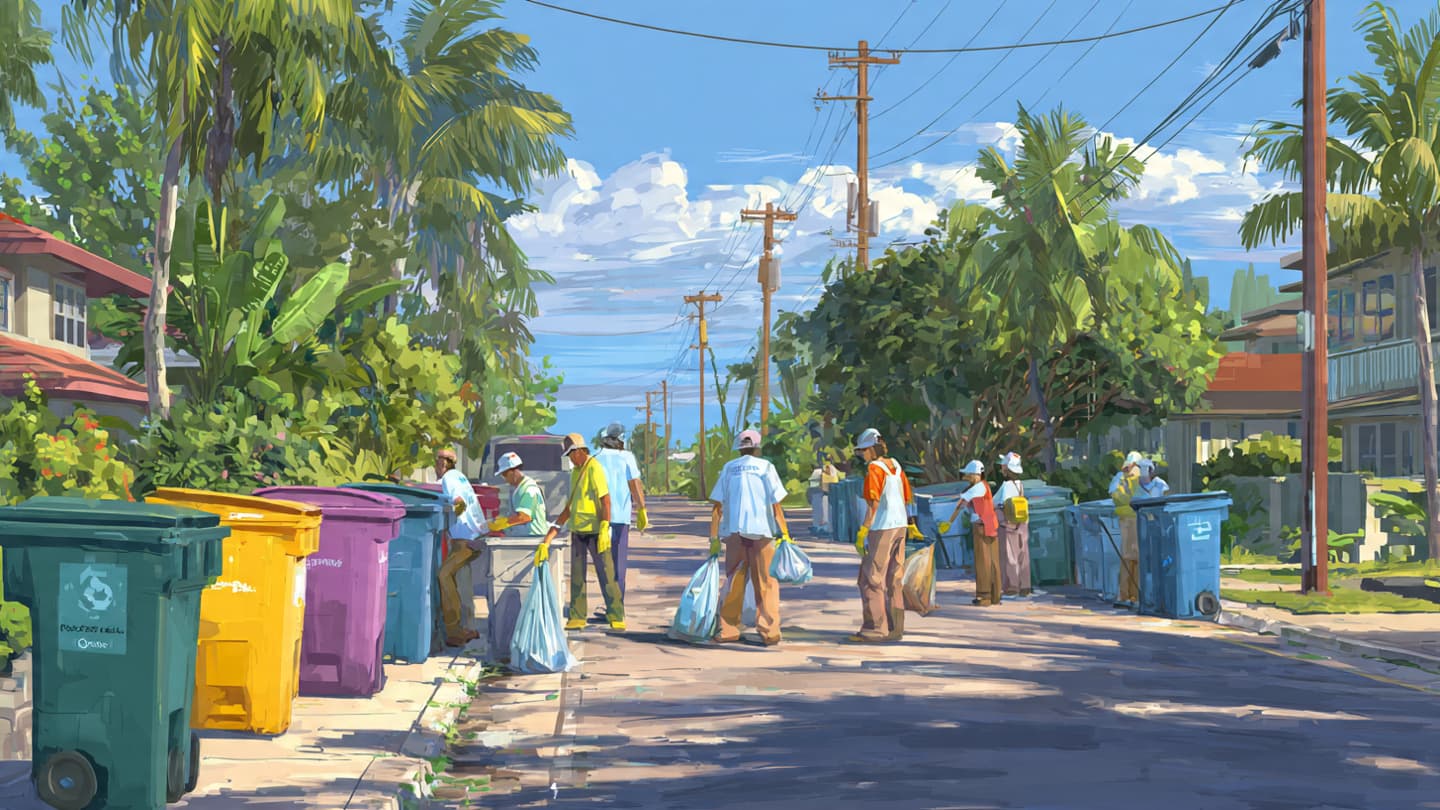
Observing a group of volunteers working together to manage a waste sorting system is like witnessing the rebuilding of a social contract. There is a sense of pride in every plastic bag collected and every drainage channel cleaned. This grassroots initiative softens the impact of limited public services, demonstrating that community strength can create real and sustainable solutions. It is a narrative of ownership, where residents take responsibility for the air they breathe and the land they walk on.
There is beauty in the creativity of recycling waste into crafts or compost for urban gardens. These efforts shift the perception of waste from merely a problem to a resource. This architecture of cleanliness builds a foundation for better public health, reducing the risk of disease and creating a more livable environment for future generations. Through brooms and willpower, the people of Haiti are sweeping the path toward a greener and more orderly future.
Several local organizations in Haiti have launched "Cash-for-Work" programs and plastic recycling training to support waste management in densely populated neighborhoods. These initiatives not only help clean the environment from piles of plastic waste but also provide additional income for participating families. Support from the private sector is beginning to emerge through partnerships for larger-scale recycling material collection.
The impact of these community-led initiatives extends beyond immediate environmental benefits. They foster a sense of unity and purpose among residents, encouraging collaboration and engagement in local governance. As these programs gain traction, they highlight the potential for grassroots movements to address systemic challenges in urban areas, particularly in developing countries like Haiti.
In conclusion, the ongoing efforts to manage waste in Haiti exemplify how communities can turn challenges into opportunities. By embracing a proactive approach to waste management, residents are not only improving their surroundings but also laying the groundwork for a healthier, more sustainable future.
Published by Banx Network. This article is part of the Banx decentralized media programme, powered by the BXE token on the XRP Ledger.



