
Key Highlights
- Hydroelectric power accounts for over 60% of Fiji's electricity generation.
- The Nadarivatu II expansion project is 70% complete, adding 40MW capacity.
- Fiji's energy strategy integrates watershed protection into its energy framework.
Fiji's central mountains, shrouded in mist, are home to the nation's most significant energy infrastructure, driven by the abundant rainfall that characterizes the region. The hydroelectric sector, centered around the Monasavu and Nadarivatu dams, plays a crucial role in converting the heavy tropical rains into clean electricity, powering homes and industries across the islands. This relationship between the natural environment and energy production is a testament to Fiji's commitment to sustainable development.
Managing hydroelectric power in Fiji requires a deep understanding of seasonal weather patterns, particularly the cycles of El Niño and La Niña. The operators of these facilities must carefully monitor the storage capacity of high-altitude reservoirs and the pressure of water flowing through the penstocks. This intricate balance between water levels and energy demand is essential for maintaining a stable power supply, showcasing the importance of hydraulic engineering and effective watershed management.
During the wet season, the Monasavu spillway becomes a dramatic spectacle, with torrents of water cascading into the valley below. This powerful display serves as a reminder of the environmental narrative that underpins Fiji's energy independence. The dams symbolize the nation's ambition to reduce reliance on costly imported fossil fuels, demonstrating that the islands possess the natural resources necessary for self-sufficiency in energy production.
The modernization of Fiji's energy sector is marked by diversification efforts, with new 'run-of-river' hydro projects being developed alongside solar and wind energy initiatives. This approach aims to create a more resilient and distributed energy grid, particularly in light of the challenges posed by climate change and unpredictable rainfall patterns. The turbine hall, filled with the low hum of generators, represents the transformation of the Pacific's natural resources into sustainable energy.
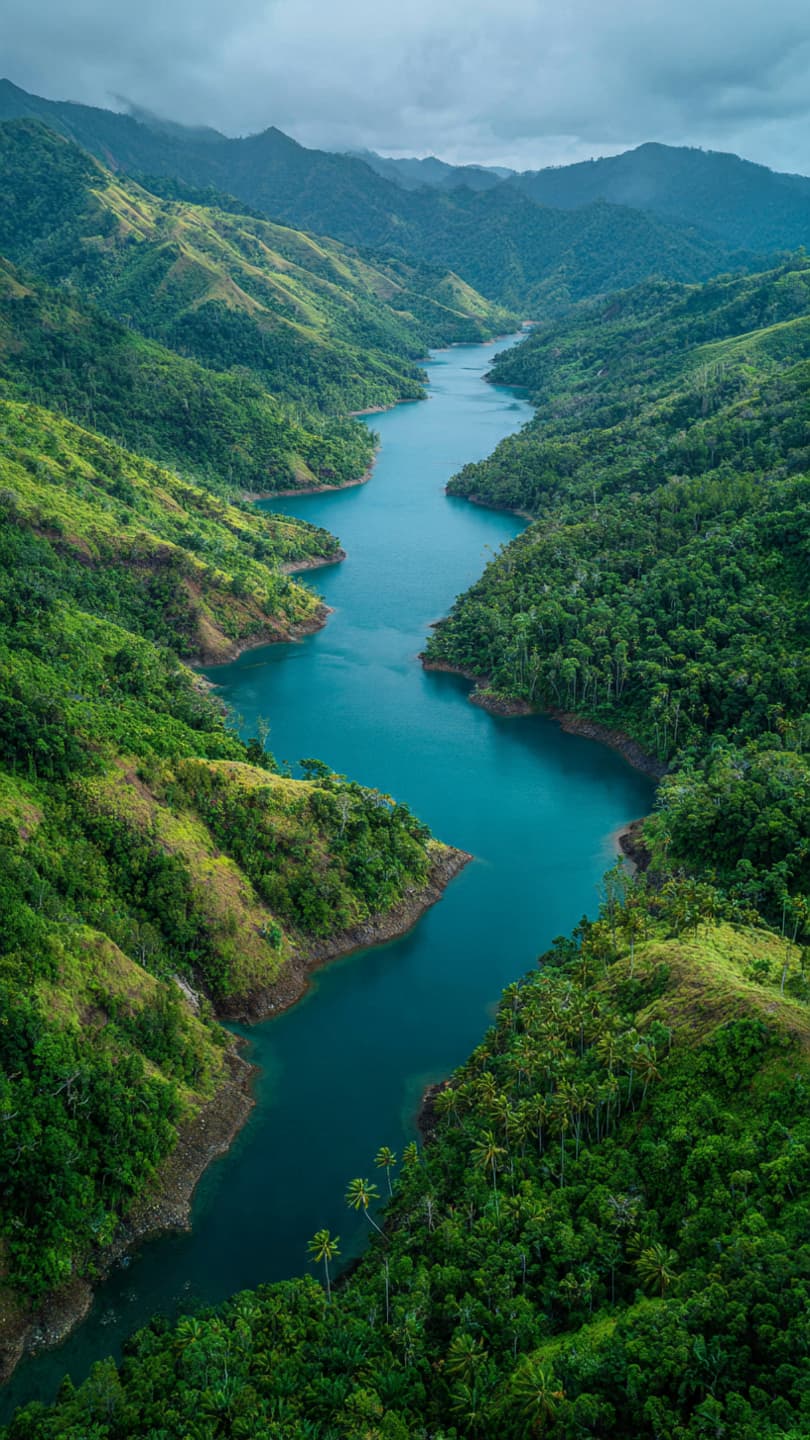
The Monasavu reservoir, a stunning deep blue lake surrounded by lush rainforest, embodies the concept of 'Mountain Stewardship.' It reflects a society's ability to harness nature's power while preserving its beauty. The hydroelectric industry in Fiji encompasses generation, transmission, and forest conservation, bridging traditional land reliance with modern energy needs. However, the future challenges include maintaining infrastructure against landslides and managing sedimentation in reservoirs due to upstream activities.
For the communities living near these dams, the hydroelectric projects are a source of pride and a vital contribution to national welfare. They are seen as guardians of the water, with support for green energy initiatives viewed as an investment in economic security and sovereignty. This ongoing effort to achieve energy independence is a testament to the resilience and determination of the Fijian people.
Engineers working in the sector often speak with reverence about their responsibilities, discussing metrics like 'megawatt-hours' and 'catchment health' with the care one might afford a vital artery. The challenge lies in balancing the power grid's demands with the ecological health of river systems. The rivers serve as teachers, reminding stakeholders that sustainable energy production must be approached with respect for the environment.
As the sun sets over the Nausori Highlands, illuminating the villages below, the turbines continue their work, symbolizing a future filled with promise. The Fijian dams stand as steadfast entities, vital to the islands' energy landscape and the ongoing journey toward a sustainable future.
Energy Fiji Limited (EFL) has reported that hydroelectric power accounted for over 60% of Fiji's total electricity generation in 2025, helping to stabilize energy prices during a period of global fuel volatility. The Nadarivatu II expansion project is currently 70% complete, expected to add another 40MW of clean capacity to the national grid by 2027. Officials state that the protection of the central watersheds has been integrated into a national 'Water-Energy-Forest' nexus strategy, ensuring a holistic approach to resource management.
Published by Banx Network. This article is part of the Banx decentralized media programme, powered by the BXE token on the XRP Ledger.



