
Key Highlights
- Transition to all-electric tram fleet: Helsinki's rail network is now one of the cleanest in Europe.
- Significant shift in transit usage:Data shows a move from private cars to public transport in eastern districts.
- Future developments:Plans for 'West-Metropolitan' tram extensions aim to unify the capital's transport infrastructure.
Helsinki's tram system, a vital component of the city's public transport network, has recently completed its transition to an all-electric fleet powered by renewable energy. This milestone positions Helsinki as one of the leaders in sustainable urban mobility in Europe. The city's commitment to reducing carbon emissions is evident in the design and operation of its tram network, which has been a staple of urban life for over a century.
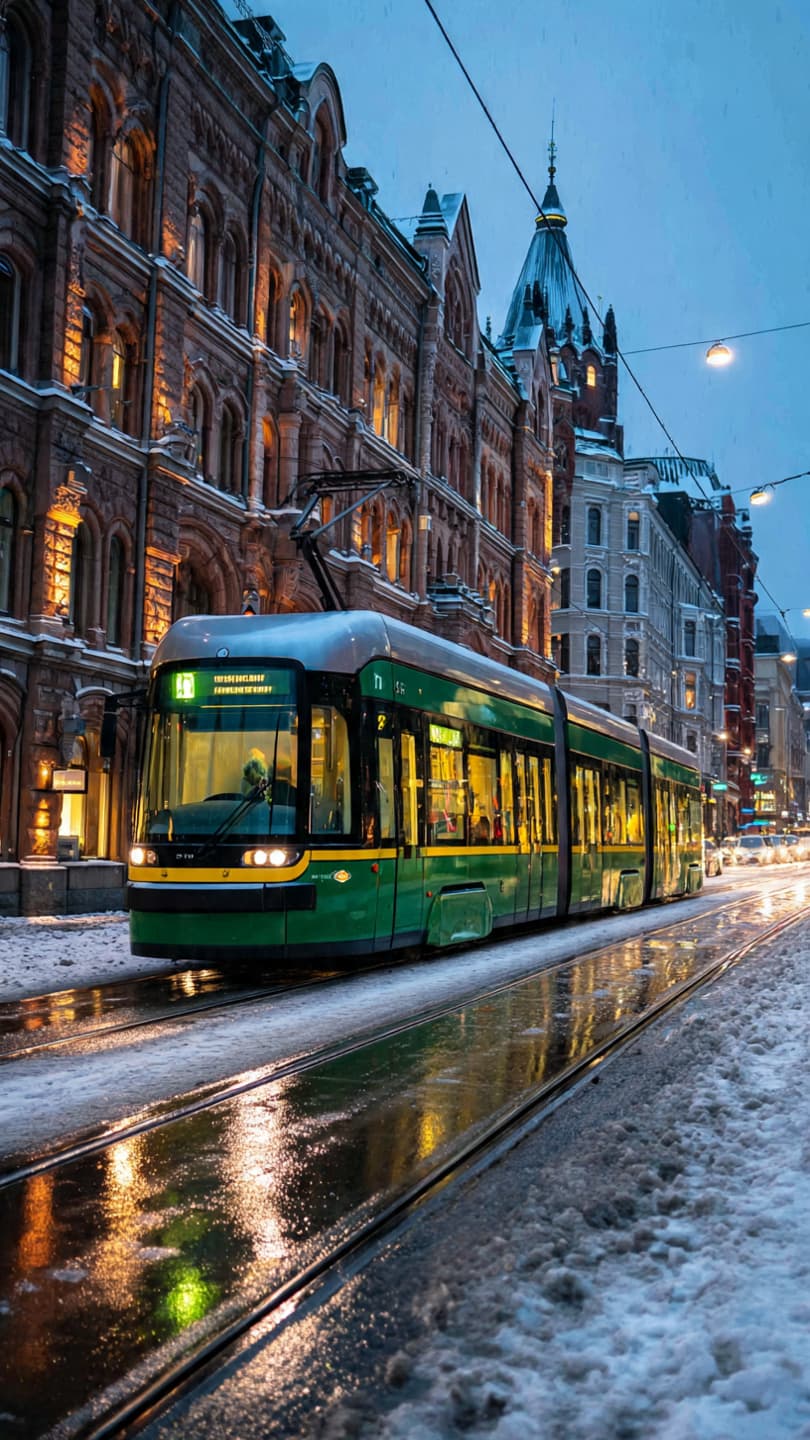
The trams, characterized by their green and yellow colors, glide seamlessly through the historic streets of Kruununhaka and the modern boulevards of Jätkäsaari. They serve not only as a means of transportation but also as a symbol of the city's dedication to sustainability and innovation. The low-floor Artic trams, with their expansive windows, allow passengers to enjoy views of the city's neoclassical architecture while contributing to a quieter, cleaner urban environment.
Recent data from the first full year of the 'Crown Bridges' light rail expansion indicates a significant shift in transportation habits among residents. The expansion has led to a marked decrease in private car usage, particularly in the eastern districts of Helsinki, as more citizens opt for the convenience and efficiency of public transit. This trend underscores the importance of investing in public transport infrastructure to enhance urban livability.
Looking ahead, Helsinki City Transport (HKL) has announced plans for the 'West-Metropolitan' tram extensions, which aim to further integrate the city's transport network. These developments are crucial for connecting suburban areas to the city center, promoting a polycentric urban structure that accommodates growth while reducing reliance on cars. The integration of these new lines is expected to improve accessibility and encourage more residents to utilize public transport.
The tram system also plays a significant role in fostering a sense of community among Helsinki's residents. The shared experience of riding the tram creates a unique social environment, where passengers from diverse backgrounds come together. The warm glow of tram interiors at night, illuminating the faces of commuters, reflects the city's commitment to collective access and shared resources.
As the tram drivers navigate their routes, they embody the history and evolution of Helsinki's transport system. Their expertise ensures that the trams operate smoothly amidst the challenges of urban congestion and the integration of advanced safety technologies. The ongoing development of the tram network serves as a reminder that the future of urban mobility is built on the foundations of past innovations.
In conclusion, the Helsinki tram system stands as a testament to the city's vision for a sustainable and interconnected urban future. As the late-night trams glide toward the depot, they symbolize the enduring promise of public transport in enhancing the quality of life for all residents. The steady hum of the tracks echoes the heartbeat of a city committed to progress and sustainability, ensuring that Helsinki remains a model for urban transport innovation in the years to come.
Published by Banx Network. This article is part of the Banx decentralized media programme, powered by the BXE token on the XRP Ledger.



