Key Highlights
- Ontario's new residential designs focus on shared living.
- Innovations aim to address housing affordability and community needs.
- Architects balance privacy with social interaction in urban spaces.
In Ontario, a transformative wave of design innovation is redefining residential living, moving away from traditional isolated homes toward integrated, shared spaces. This shift reflects a growing recognition of the importance of community in urban environments, where the boundaries of individual living are being reimagined to foster connection and collaboration among residents.
Architectural firms in cities like Toronto and Ottawa are at the forefront of this movement, creatively utilizing every inch of urban space. Designers are focusing on how light can bridge the gap between private and public areas, crafting environments that feel both intimate and expansive. This approach not only addresses the challenges of urban density but also enhances the human experience, making living spaces more inviting and functional.
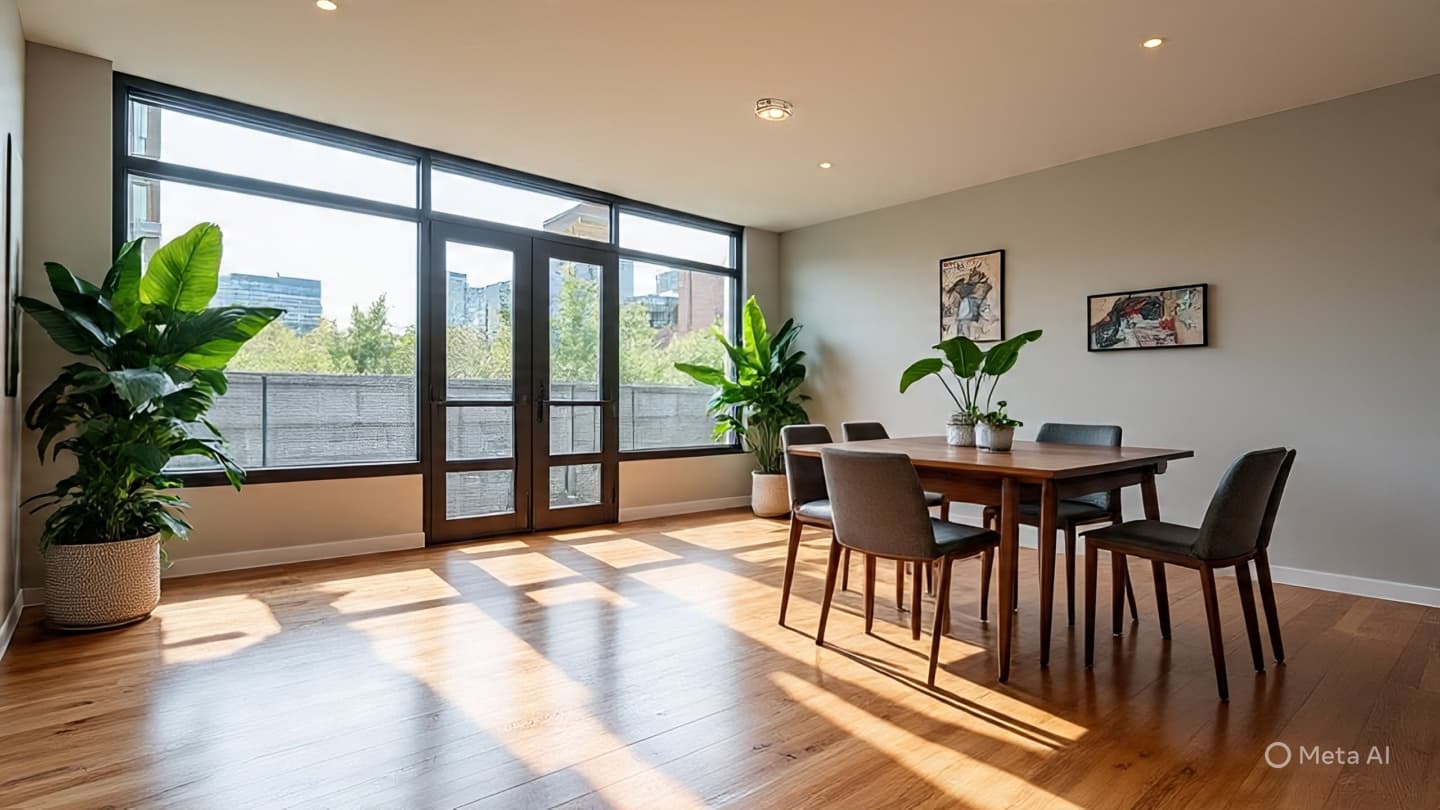
The new designs are not merely a response to market pressures; they represent a deeper understanding of the evolving needs of a diverse and mobile population. Shared kitchens, rooftop gardens, and collaborative workspaces are becoming staples in these developments, promoting a lifestyle that values community interaction. Natural light floods these residences, embodying a design philosophy that seeks to connect the indoors with the outdoors, thereby fostering a sense of belonging in an increasingly crowded world.
As one examines the blueprints of these innovative projects, it becomes clear that a quiet revolution is underway in the art of living. Architects are adeptly creating privacy within proximity, employing materials and layouts that mitigate urban noise while encouraging social engagement. This balance between personal sanctuary and communal space is crucial, as it reflects the dual desires for solitude and connection that many urban dwellers experience.
The implications of these design innovations extend beyond individual projects; they are reshaping the entire real estate sector in Ontario. By offering more affordable and sustainable living options, these developments are paving the way for a new narrative in the province's housing market. The focus is shifting from sprawling developments to high-quality shared environments that prioritize the collective experience, redefining what it means to call a place home.
In the modern common room of these residences, the success of shared living spaces underscores the power of community and thoughtful design. These environments not only support individual growth but also cultivate a sense of purpose and connection among residents. This theme resonates deeply within the Canadian civic spirit, emphasizing the importance of social bonds in urban life.
As these innovative projects begin to welcome residents, the commitment to ensuring a dignified and joyful shared life remains paramount. The architecture of Ontario's cities is evolving to meet the needs of its people, reflecting a broader movement toward inclusivity and resilience in urban landscapes. The Globe and Mail has recently highlighted several of these developments, showcasing how modular interior systems and distributed common zones are being utilized to optimize high-density living. Experts in the field suggest that this shift toward a co-living model not only addresses housing affordability but also enhances mental well-being and social cohesion among residents.
Published by Banx Network. This article is part of the Banx decentralized media programme, powered by the BXE token on the XRP Ledger.