
Key Highlights
- Incident:A gas explosion occurred in a residential building in Hamburg's Altona district.
- Injuries:Five individuals were injured, with some sustaining serious injuries.
- Emergency Response:Firefighters and paramedics responded swiftly to the scene, securing the area and aiding the injured.
A home is meant to be a vessel of stillness, a collection of walls and memories that shield us from the unpredictability of the wider world. We move through our rooms with a subconscious trust in the systems that warm us and cook our bread, the silent flow of energy that makes modern life possible. But there is a hidden volatility in that comfort, a potential for the domestic to turn into the catastrophic in the space of a single, unintended spark.
On a recent morning, the tranquility of a quiet residential corner in Hamburg was shattered by a sudden gas explosion. The blast resonated through the Altona district, transforming the familiar structure of a building into a chaotic arrangement of dust and debris. In that moment, the safety of home was replaced by the raw, unbridled energy of the elements, leaving a community to confront the hollowed remains of their lives.
Five people were injured in the explosion, with some suffering serious injuries. The aftermath of such violence serves as a poignant reminder of the fragility of our domestic sanctuaries. As the smoke cleared and the dust settled, the focus shifted from the shock of the blast to the urgent, delicate work of the rescuers who moved through the ruins, searching for those trapped or wounded.
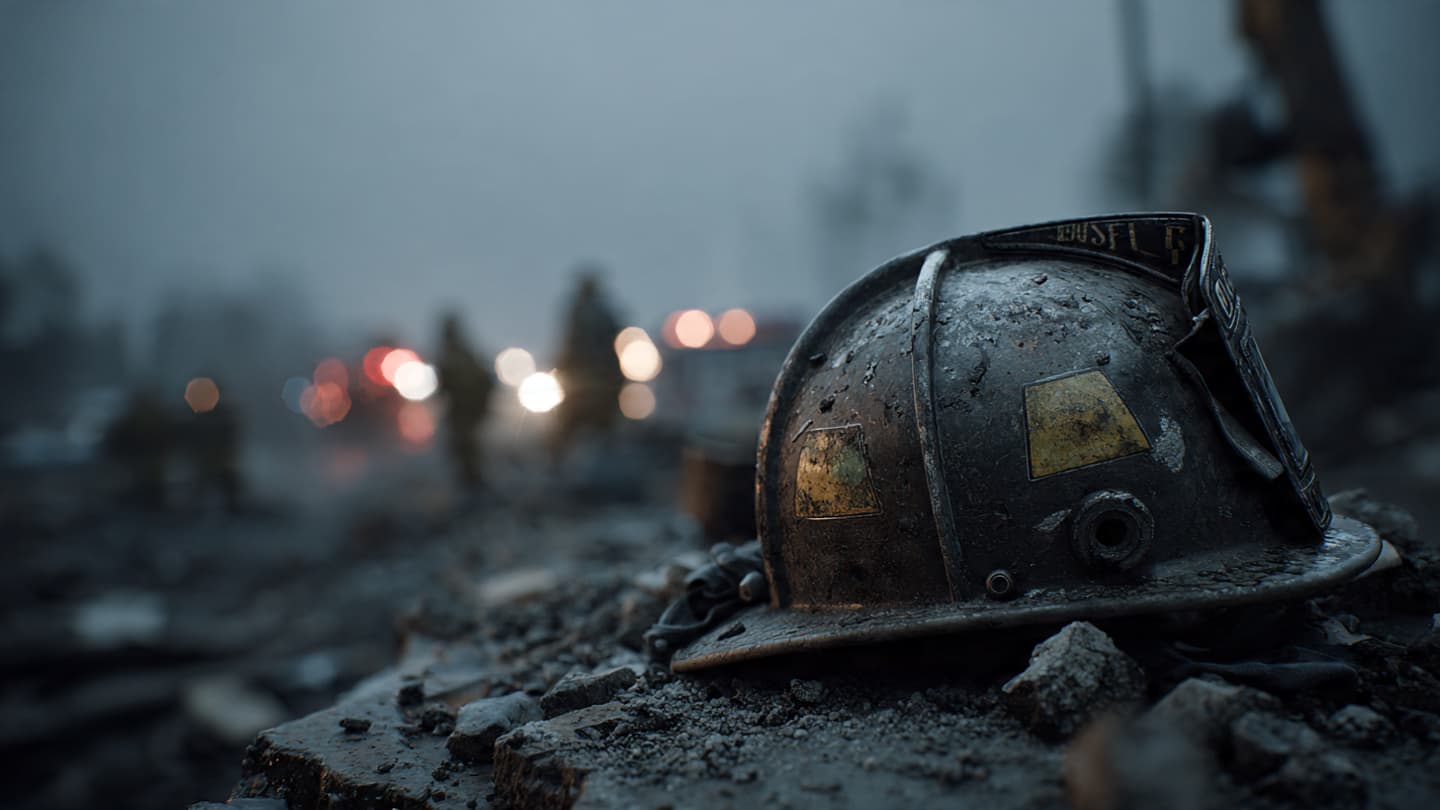
Firefighters and paramedics arrived with a disciplined urgency, their red vehicles a stark contrast to the grey pallor of the wreckage. They worked with a quiet intensity, navigating the unstable architecture to reach those in need. Each moved timber or cleared stone represented a calculated risk taken in the service of life, highlighting the bravery of first responders in the face of danger.
The investigation into the cause of the gas leak is a journey into the invisible. Experts moved through the charred remains with sensors and notebooks, looking for the point where the seal failed or the pipe groaned under pressure. This search for technical failure aims to make sense of a moment that feels entirely senseless to those whose homes have been shattered.
In the surrounding streets, neighbors gathered in small, hushed groups, their eyes drawn to the gap in the skyline where a building once stood. There was a shared sense of vulnerability, a realization of how closely we all live to the systems that can, under the right conditions, turn against us. While the explosion was a local event, its impact ripples through the collective consciousness of the city, reminding everyone of the potential dangers lurking within their own homes.
The recovery of the injured and the rebuilding of the site will take time, a slow process of healing both physical and emotional wounds left by the blast. For now, the site remains a place of reflection, a stark reminder of the fragility of our domestic lives. We rely heavily on the invisible breath of gas to sustain our comfort, rarely pausing to consider the power we have invited into our homes.
As the sirens fade and the industrial lights take over the night shift at the scene, Hamburg continues its steady, northern rhythm. But for those five individuals and their families, the world has been forever altered by a single morning’s spark. The city will offer its support, and engineers will provide solutions, but the memory of the tremor will linger in the quiet of the halls for a long time to come.
Published by Banx Network. This article is part of the Banx decentralized media programme, powered by the BXE token on the XRP Ledger.



