
Key Highlights
- Recent police operations in Guayaquil target gang kidnappings.
- Armed attacks in Manta disrupt community safety and leisure.
- Security forces uncover hidden weapons in Durán prison.
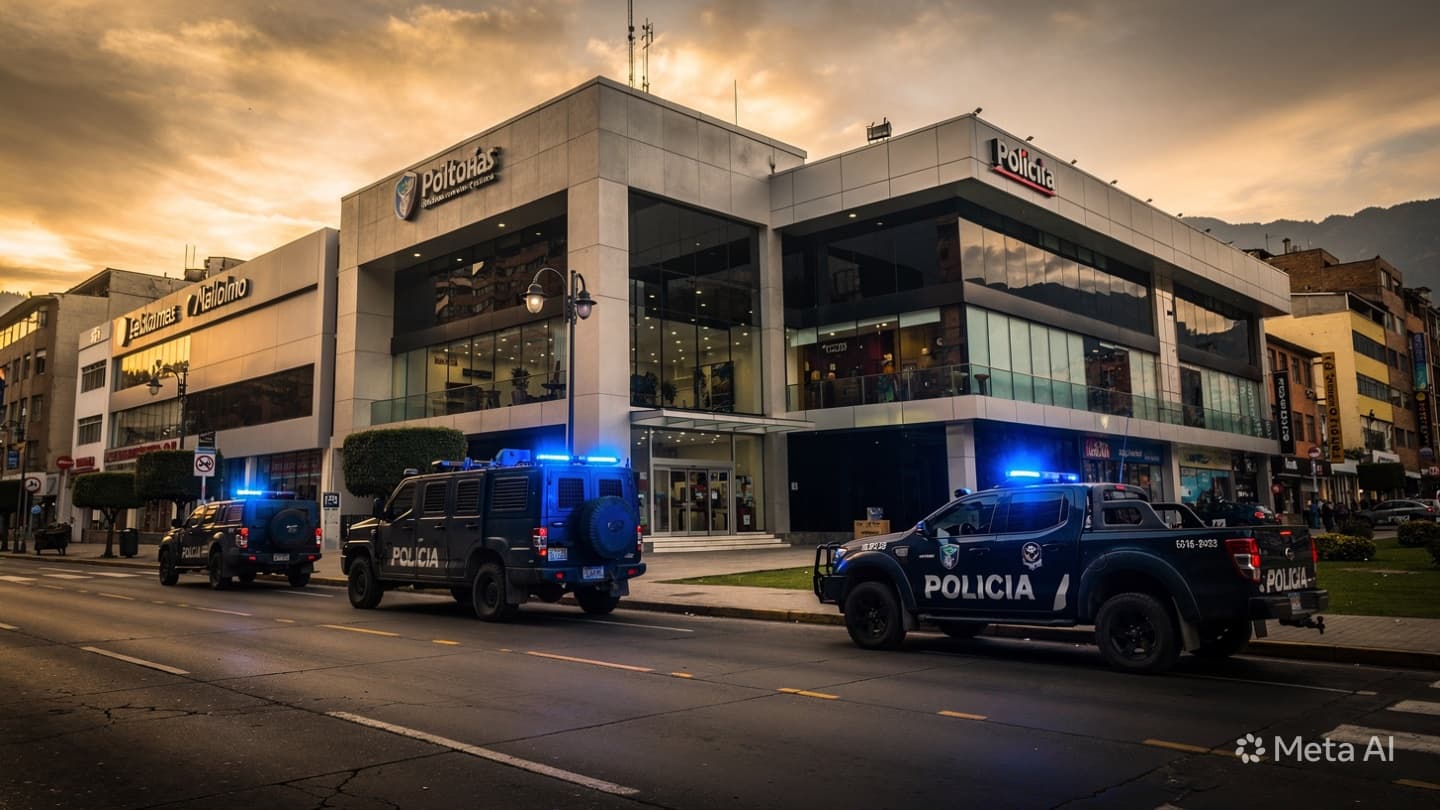
The recent surge in violent crime in Guayaquil, Ecuador, has prompted a series of police operations aimed at dismantling organized crime networks. In a notable incident, six gang members were arrested in a covert operation that highlighted the complexities of urban safety in a city grappling with high-profile kidnappings. This operation, which involved extensive surveillance and intelligence gathering, underscores the ongoing battle between law enforcement and criminal factions that have woven themselves into the fabric of daily life.
In the coastal city of Manta, the impact of this violence is felt acutely. Families enjoying a meal at local restaurants were recently shaken by an armed attack that left patrons traumatized and questioning their safety. Such incidents serve as stark reminders of the precariousness of peace in communities that rely on tourism and local commerce. The psychological scars left by these events linger long after the immediate danger has passed, affecting the collective psyche of residents.
Meanwhile, the situation within the Durán prison reveals another layer of the crisis. Security forces have been conducting thorough inspections of the facility, uncovering hidden caches of weapons and explosives that suggest a well-organized militia operating within the prison walls. This discovery points to a troubling reality where incarceration does not equate to safety, and the influence of gangs extends even into the most secure environments.
The National Police have issued statements detailing their strategies to combat this rising tide of violence. In the case of the jewelry store hostage situation in Quito, negotiators successfully resolved the crisis without loss of life, showcasing the delicate balance law enforcement must maintain in high-stakes scenarios. The police's ability to isolate suspects and manage tense situations reflects their training and commitment to public safety.
As the authorities continue to respond to these challenges, the broader implications for Guayaquil and its surrounding areas become evident. The ongoing struggle against organized crime requires not only tactical responses but also a community effort to restore trust and safety. The resilience of the citizens, coupled with the strategic actions of law enforcement, will be crucial in navigating this turbulent landscape.
In conclusion, the situation in Guayaquil serves as a microcosm of the larger issues facing urban centers in Ecuador. The interplay between crime and community safety is complex, necessitating a multifaceted approach that addresses both immediate threats and the underlying social conditions that foster such violence. As the police work to regain control, the hope remains that peace can be restored, allowing communities to thrive once again.
Published by Banx Network. This article is part of the Banx decentralized media programme, powered by the BXE token on the XRP Ledger.



