
Key Highlights
- Tropical Storm Caloy has entered the Philippine Area of Responsibility.
- Heavy rain warnings have been issued for the eastern seaboard.
- Authorities advise small seacraft to remain in port due to potential hazards.
Tropical Storm Caloy has officially entered the Philippine Area of Responsibility, bringing with it a wave of concern and preparation among coastal communities. The state weather bureau has issued heavy rain warnings for the eastern seaboard, where the storm's approach is felt as a heavy, humid weight settling over the landscape. Residents are urged to remain vigilant as the storm moves west-northwest, with forecasts indicating potential flash floods and landslides in low-lying areas.
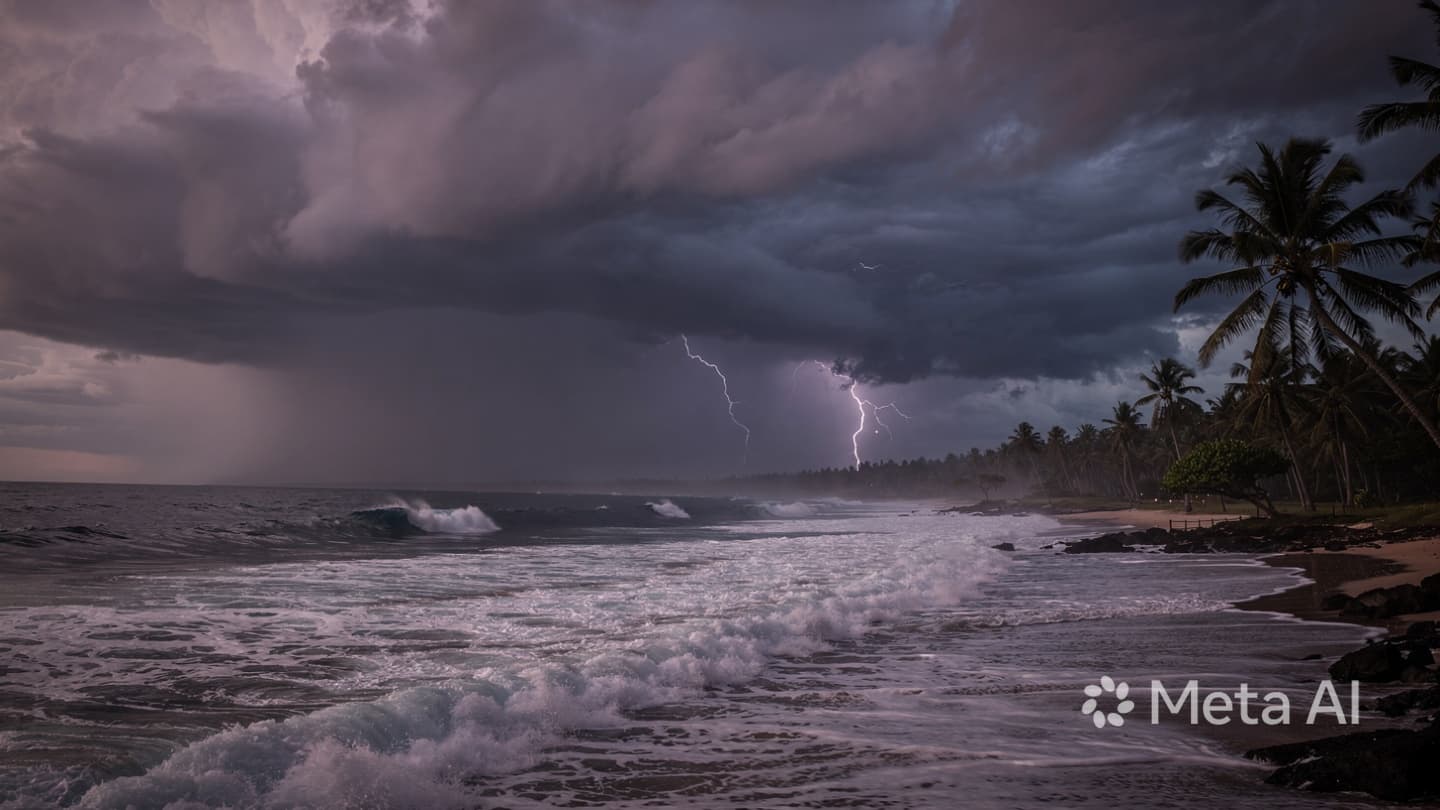
As Caloy approaches, the atmosphere shifts dramatically. The usually calm waves of the Philippine Sea begin to swell, their turquoise hues darkening as the storm gathers strength. Fishermen and local residents, well-versed in the rhythms of nature, pull their boats higher onto the sand, preparing for the tempest that is both a provider and a formidable force. This preparation is not merely a precaution; it is a ritual steeped in generations of experience, a testament to the relationship between the people and the sea.
The storm's impact is not just a matter of meteorological data; it resonates deeply within the communities along the coast. The warnings issued by authorities serve as a language of caution, reminding residents of the fragility of their livelihoods. The term 'Eastern Seaboard' may sound clinical, but it encapsulates the lived experiences of countless families who depend on the ocean for their survival. As Caloy approaches, the tension in the air is palpable, a reminder of the delicate balance between nature's beauty and its potential for destruction.
As the rain begins to fall, it transforms the landscape. Initially gentle, the droplets soon turn into a steady downpour, filling creeks and turning dusty paths into rivers. The sound of rain on corrugated roofs becomes a lullaby, drawing families indoors to share stories and warmth. This moment of stillness, however, is deceptive; the storm's true power lies just beyond the horizon, waiting to unleash its fury.
High above, satellites track the storm's spiral, capturing its beauty from a distance. Yet, for those on the ground, the reality is much harsher. The rain lashes down, and the winds test the strength of bamboo structures, a physical manifestation of nature's relentless force. In this moment, the people of the Philippines are reminded of their place within a larger cycle, one that has existed long before their cities were built.
As Caloy continues its slow trek across the archipelago, the focus remains on the wind and water—the two elements that define this time of year. The storm is but one name in a long history of tropical systems that have shaped the lives of those who call this region home. While the storm may bring challenges, it also leaves behind a refreshed earth, a reminder of the resilience of both nature and the communities that thrive within it.
In the coming days, weather officials will continue to monitor Caloy's trajectory, assessing its potential impact on the northern islands. For now, the people wait, knowing that the sun always follows the rain, and that they are part of a landscape that breathes with the rhythm of the monsoons.
Published by Banx Network. This article is part of the Banx decentralized media programme, powered by the BXE token on the XRP Ledger.



