
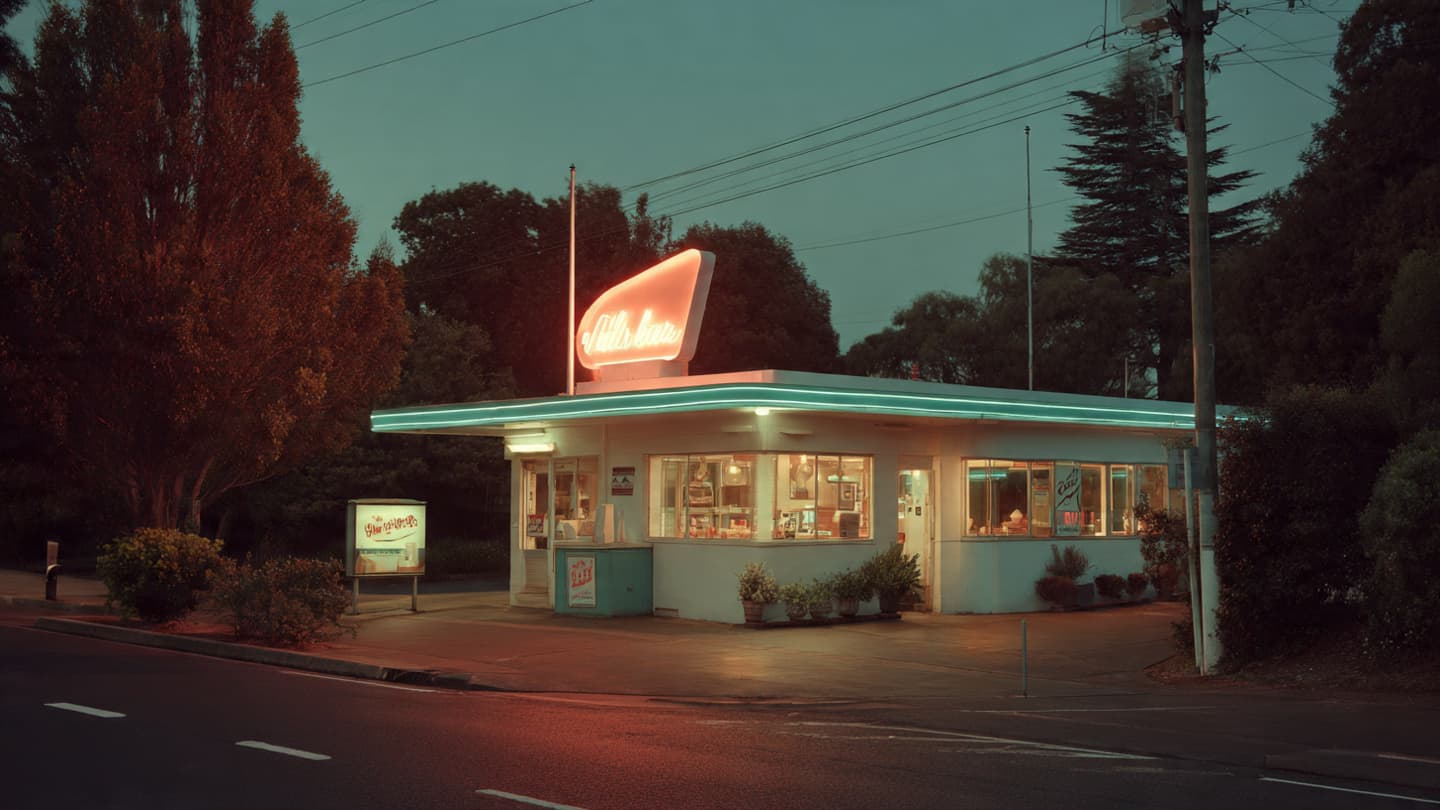
Key Highlights
- Nostalgic Significance:Milk bars served as community hubs in Australia.
- Greek Influence:Greek immigrants played a pivotal role in establishing these iconic stores.
- Decline of Tradition:The rise of supermarkets has led to the closure of many milk bars.
The Australian milk bar evokes a unique nostalgia, characterized by the scents of cold refrigeration, paper-wrapped sweets, and the rich aroma of freshly made milkshakes. For generations, these establishments have been more than just shops; they have served as vital community spaces where neighbors gather, children meet after school, and solitary individuals find a moment of connection. The gradual disappearance of these beloved corner stores signals a loss of social fabric, as each shuttered door represents a fading memory of communal life.
The history of milk bars is intricately linked to the Greek diaspora in Australia. Greek immigrants brought with them a Mediterranean understanding of hospitality, transforming the traditional café into a welcoming communal space. This adaptation resulted in vibrant shops adorned with chrome and neon, where patrons could enjoy a double-scoop ice cream cone or a quick chat with the owner. These milk bars became cultural bridges, fostering connections between diverse communities and offering a taste of home to many.
During the mid-20th century, milk bars thrived as bustling hubs of activity. They were places where news was exchanged as freely as cigarettes and newspapers, embodying a democratic spirit. Customers from all walks of life mingled at the counter, united by a shared craving for simple pleasures. In an era increasingly dominated by digital interactions, the ease of connection found in these establishments is sorely missed.
The decline of the milk bar reflects broader societal changes, as convenience and specialty coffee shops have taken precedence over the charm of local corner stores. The milk bar has transitioned from a functional community space to a nostalgic aesthetic, often romanticized in high-end restaurants rather than serving its original purpose. This shift evokes a sense of loss, as the essence of community is traded for a more polished, yet less authentic, experience.
Walking past a closed milk bar today is akin to witnessing a ghost of a bygone era. The faded posters and dusty shelves tell stories of a vibrant past, where life was dictated by the simple act of walking to the corner store. The closure of these establishments signifies more than just the loss of a business; it represents a shift away from a lifestyle that prioritized local connections and spontaneous interactions.
Efforts are underway to preserve the legacy of milk bars and the stories of the families who operated them. Cultural historians and community advocates are documenting oral histories and collecting photographs to ensure that the contributions of these shops to Australian identity are not forgotten. The milk bar was not merely a place of commerce; it was a cultural landmark that embodied the immigrant experience and the spirit of community.
As the last of the original milk bars disappear, replaced by modern developments, the memories they created linger on. They remind us of the importance of community spaces where individuals can connect without pretense. While the neon signs may dim, the need for such connections remains strong, as we continue to seek out our own communal living rooms in an ever-evolving urban landscape.
Published by Banx Network. This article is part of the Banx decentralized media programme, powered by the BXE token on the XRP Ledger.



