
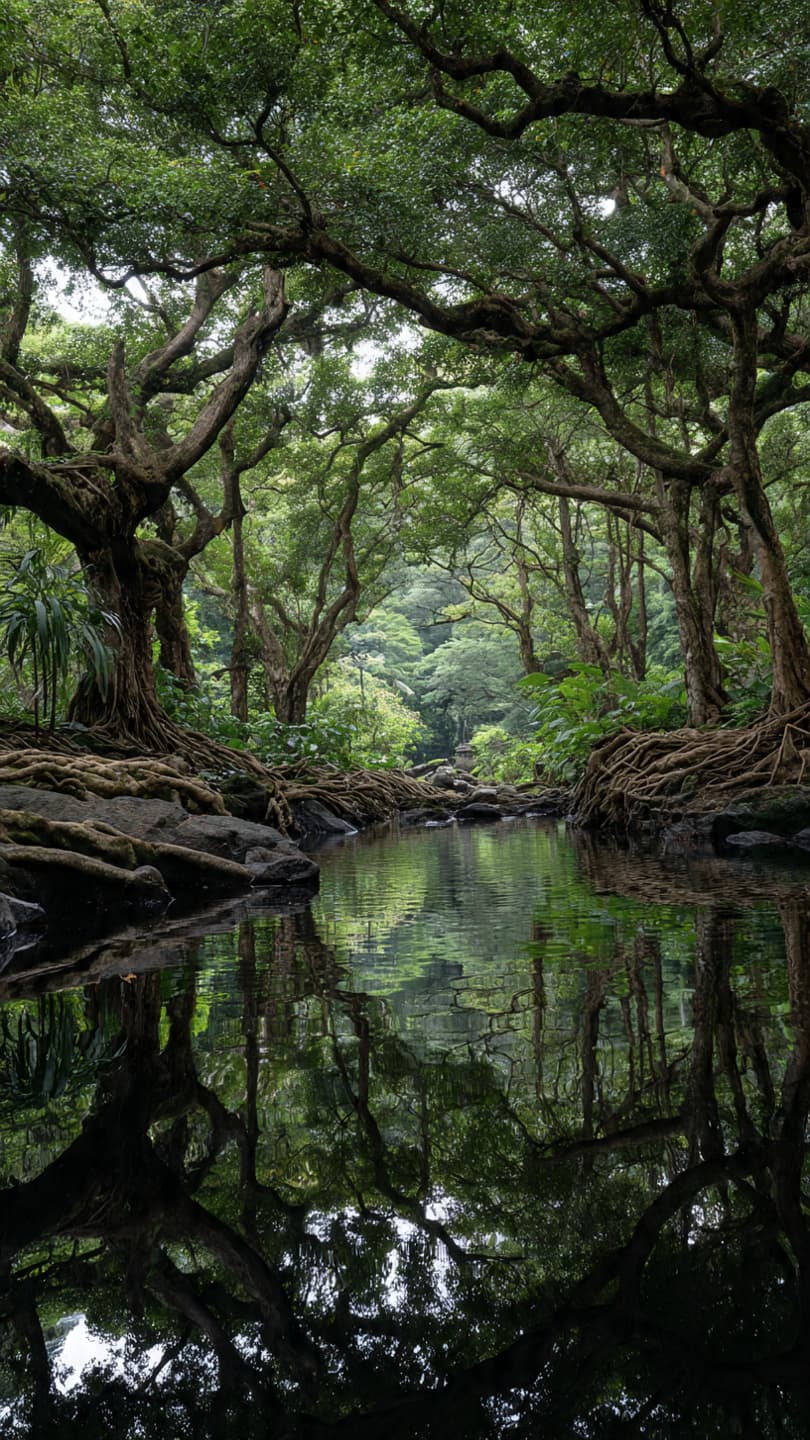
Key Highlights
- Gabon's peatlands are crucial for carbon storage and climate stability.
- The country is mapping these regions to enhance environmental protection.
- International collaboration is key to preserving these vital ecosystems.
Gabon, a nation rich in biodiversity, is home to some of the world's most significant peatlands, located deep within the Congo Basin. These waterlogged forests, often overlooked, play a critical role in combating climate change by sequestering carbon. The peatlands of Gabon are not just a natural wonder; they are a vital component of the global climate system, acting as a buffer against rising temperatures and extreme weather events.
The peatlands are characterized by their unique ecosystem, where organic matter accumulates over millennia, creating a thick layer of peat that stores billions of tons of carbon. This accumulation is a slow process, reflecting the ancient history of the region. The dark, still waters of the peat swamps are a testament to the delicate balance of life that thrives in low-oxygen conditions, showcasing a unique biodiversity that is both fragile and essential.
As the world grapples with the effects of climate change, Gabon has taken significant steps to protect these invaluable ecosystems. The government, in collaboration with international climate scientists, has initiated a comprehensive mapping project to assess the extent of its peatlands. This effort is crucial, as it provides the data necessary for global carbon finance initiatives, ensuring that these carbon-rich areas are preserved and protected under the national REDD+ framework.
The importance of these peatlands extends beyond Gabon's borders. By safeguarding these regions, Gabon is contributing to global efforts to stabilize the climate. The carbon stored in these peatlands represents a significant portion of the world's carbon reserves, and their preservation is vital for maintaining atmospheric balance. The narrative surrounding these ecosystems is shifting, as they are increasingly recognized not as wastelands, but as essential assets in the fight against climate change.
However, the journey to protect these peatlands is fraught with challenges. The delicate ecosystems are vulnerable to human activities, including logging and agriculture, which threaten to release the stored carbon back into the atmosphere. The commitment to preserving these areas requires a concerted effort from both the government and local communities, emphasizing the need for sustainable practices that respect the natural environment.
In the face of these challenges, Gabon's leadership in environmental conservation is commendable. The nation is not only prioritizing the protection of its peatlands but is also setting an example for other countries to follow. By integrating peatland conservation into its national policies, Gabon is demonstrating that environmental stewardship can coexist with economic development.
As researchers continue to study the peatlands, they uncover more about the intricate relationships between the soil, water, and climate. This ongoing inquiry highlights the importance of understanding these ecosystems and their role in the broader context of global climate health. The commitment to protecting Gabon's peatlands is a testament to the nation's vision for a sustainable future, one where the hidden treasures of the earth are valued and preserved for generations to come.
In conclusion, Gabon's peatlands represent a crucial line of defense against climate change. Their protection is not just a local issue but a global imperative, reminding us that the most significant environmental work often occurs out of sight, beneath the surface of our planet.
Published by Banx Network. This article is part of the Banx decentralized media programme, powered by the BXE token on the XRP Ledger.



