
Key Highlights
- Incident:A bus accident in Caracas resulted in 32 injuries.
- Cause:Brake failure on a steep descent led to the crash.
- Response:Emergency services transported injured passengers to local hospitals.
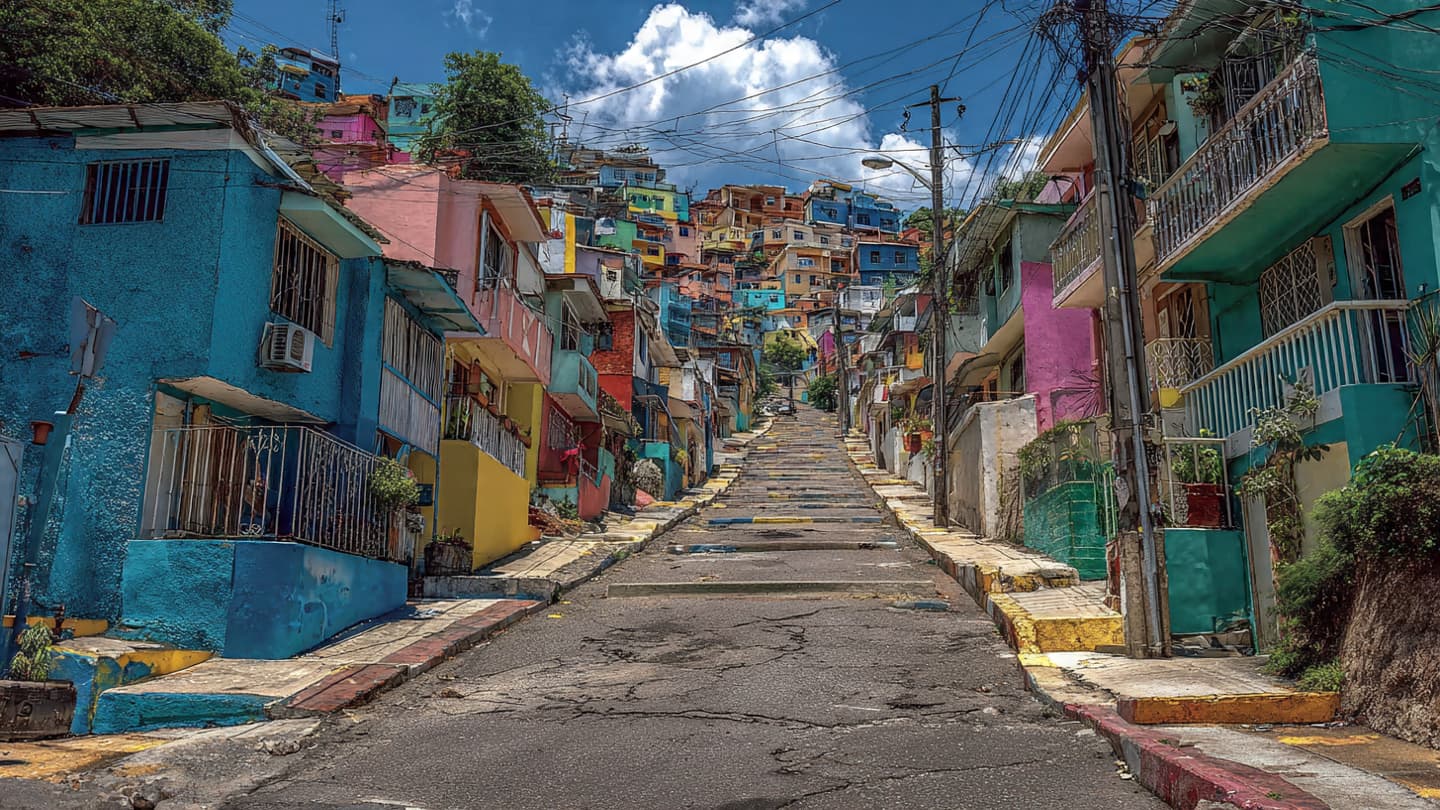
The mornings in Caracas often showcase the city's unique geography, where neighborhoods cling to the steep slopes of the Avila mountain. On a recent Tuesday, however, the usual hustle and bustle was shattered by a catastrophic event: a crowded commuter bus lost its brakes while navigating a steep descent, resulting in a harrowing crash that left dozens injured.
Witnesses described the moment of panic as the bus careened down the incline, the sound of grinding metal echoing through the streets. For the passengers, the transition from a routine commute to a chaotic descent was instantaneous. In a city where infrastructure often shows signs of neglect, such mechanical failures highlight the precarious nature of urban safety.
The bus, filled to capacity with daily commuters, barreled down the slope with alarming speed. The driver fought desperately to regain control, but the narrow streets and surrounding buildings offered little room for maneuvering. The impact was devastating, leaving a scene of twisted metal and shattered glass in its wake.
Emergency responders arrived to a chaotic scene, with paramedics working swiftly to assist the injured. Reports indicate that 32 individuals were transported to nearby hospitals, suffering from a range of injuries, from minor cuts to more severe trauma. The aftermath of the crash rippled through the community, as families awaited news of their loved ones.
In the wake of such tragedies, Caracas often experiences a collective moment of reflection. The incident serves as a stark reminder of the risks faced by those navigating the city's challenging terrain. Investigations are underway, with initial reports suggesting a failure in the bus's pneumatic lines as a potential cause. This technical explanation, however, does little to address the deeper systemic issues that contribute to such accidents.
As the wreckage was cleared and life resumed its pace, the silence that lingered over the crash site was palpable. It represented the fears and vulnerabilities of a community that relies on public transport to navigate their daily lives. While officials from the Caracas transit authority confirmed the number of injured, the focus now shifts to the recovery of those affected and the broader implications for transport safety in the city.
The legal and administrative processes will likely follow, with investigations determining accountability and potential reforms. However, the scars left on the hillside and in the memories of the passengers will endure. For now, the community must grapple with the aftermath of this tragic event, as they continue to navigate the challenges of life in a city defined by its steep landscapes and complex realities.
Published by Banx Network. This article is part of the Banx decentralized media programme, powered by the BXE token on the XRP Ledger.



