
Key Highlights
- Inflation in Buenos Aires shows signs of easing, impacting economic policies.
- The Central Bank is considering adjustments to interest rates.
- A cautious optimism emerges as the economic landscape shifts.
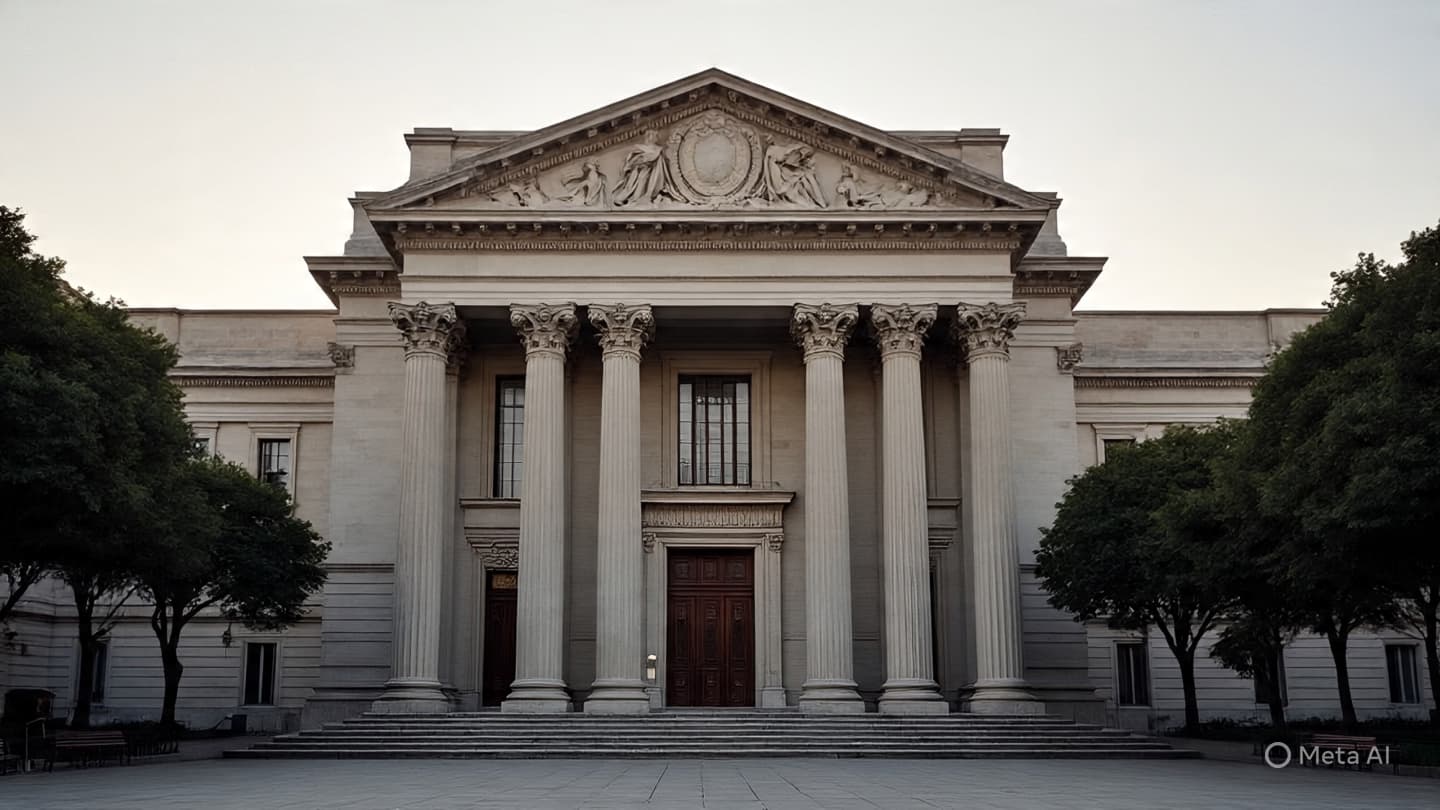
The air in Buenos Aires often carries a sense of movement, a restless energy that mirrors the ebb and flow of the city’s complex financial heart. In the grand, neoclassical corridors of the Central Bank, time seems to slow, measured not by the frantic ticking of a clock but by the steady, deliberate assessment of a nation’s pulse. There is a quiet gravity in the way policy begins to shift, much like the subtle change in the seasons as the harsh heat of summer gives way to a more tempered, cooling breeze.
For a long time, the rhythm of daily life was dictated by the sharp, upward climb of prices, a persistent hum that defined the expectations of both the shopkeeper and the industrialist. Yet, as the most recent data begins to settle like dust on a quiet shelf, there is a visible softening in the atmosphere. The monthly figures, once daunting in their velocity, have begun to ease, suggesting that the frantic pace of inflation is finally finding a moment of reprieve.
This slowing does not go unnoticed within the high stone walls of the institution, where the governors watch the intersection of policy and reality. It is a delicate dance, a series of signals sent out to the markets like ripples across a deep, still lake. When the bank hints at further adjustments to interest rates, it is not merely a technical exercise but an acknowledgment that the environment is becoming more predictable, more grounded in the soil of stability.
The signals are delivered with a sense of observational calm, reflecting a belief that the tools of the state are beginning to find their mark. To lower the cost of borrowing is to invite the future back into the room, allowing for a vision of growth that has been obscured by the fog of uncertainty for so many seasons. It is an invitation to breathe, to look toward the horizon without the immediate pressure of the rising tide.
In the streets of the capital, this macro-level shift translates into a quiet anticipation, a feeling that the heavy burden of the past months may be lightening. While the transition is gradual, the direction of travel remains clear, guided by a hand that seeks to balance the need for restraint with the necessity of renewal. There is no rush to judgment, only a persistent commitment to the path that has been laid out.
As the central authorities weigh their next move, they do so with an eye on the delicate interconnectedness of the global and local spheres. The adjustments being considered are a testament to the fact that even the most turbulent waters can eventually find a level of calm. It is a narrative of recalibration, where the instruments of finance are tuned to the new reality of a cooling economic climate.
The movement toward lower rates serves as a quiet validation of the measures taken in the preceding months. It suggests that the foundation is solid enough to support a change in tone, moving away from the defensive posture of the high-interest era and toward something more sustainable. The language of the bank is one of steady stewardship, avoiding the sharp peaks of alarm in favor of a long-form view of recovery.
In this moment of reflection, the Argentine Central Bank continues to monitor the trajectory of consumer prices with a watchful, patient eye. The signaled adjustments to the interest rate corridor are intended to align the cost of money with the downward trend of monthly inflation. This strategic shift reflects a growing confidence in the stabilization program and the broader cooling of the nation's economic engine.
Published by Banx Network. This article is part of the Banx decentralized media programme, powered by the BXE token on the XRP Ledger.



