
Key Highlights
- New Initiative:Trump warns of 'Project Freedom Plus' amid rising tensions.
- Israeli Strikes:Military operations target Hezbollah in southern Lebanon.
- Regional Instability:Overlapping crises threaten broader conflict.
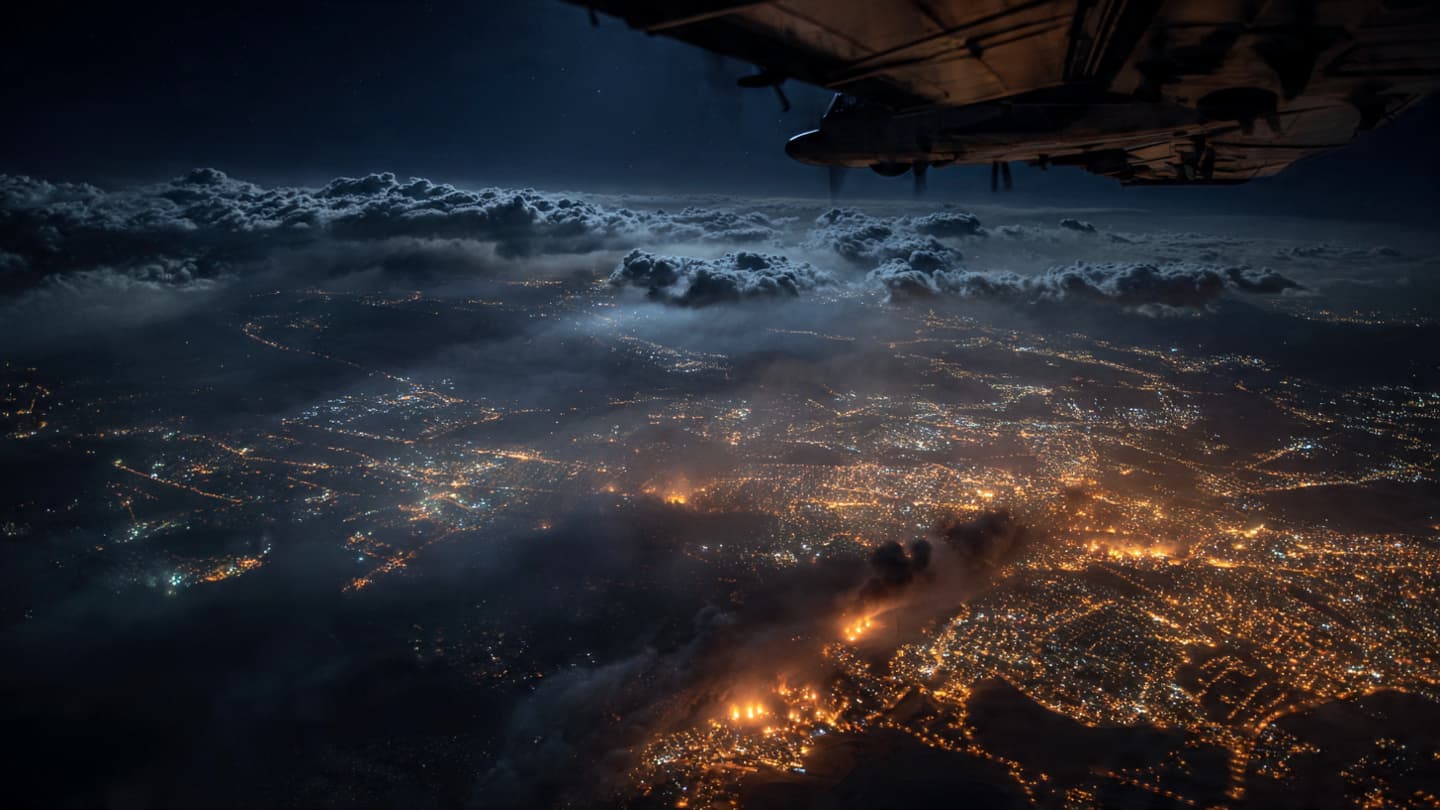
Night settles unevenly across the Middle East. In some cities, cafés remain open beneath strings of light while traffic drifts through humid streets. In others, windows darken earlier than usual, and the distant sound of aircraft carries farther through the evening air. The region has long existed between ordinary life and sudden escalation, where conversations about family, work, and weather unfold alongside the quiet awareness that politics can shift the atmosphere overnight.
This week, that familiar tension deepened again as former U.S. President Donald Trump warned that a new initiative — described by allies as “Project Freedom Plus” — could move forward if diplomatic talks with Iran collapse entirely. At nearly the same moment, Israeli forces launched additional strikes against Hezbollah-linked targets in southern Lebanon and nearby border regions, widening fears that multiple fronts of instability are beginning to overlap.
The language surrounding the proposed American initiative remains only partially defined. Advisers close to Trump have portrayed it as a strategy designed to intensify pressure on Iran through expanded sanctions, regional military coordination, and broader support for allied security operations should negotiations fail to produce a breakthrough. Yet even before details emerge fully, the announcement itself has already altered the tone of diplomacy. In international politics, possibility can shape events almost as powerfully as action.
Meanwhile, Israeli military operations continued under the shadow of persistent regional confrontation. Officials in Jerusalem stated that recent strikes targeted Hezbollah infrastructure and weapons positions following renewed cross-border threats. Along Lebanon’s southern frontier, villages once known mostly for olive groves and hillside roads now move through cycles of evacuation warnings, damaged buildings, and interrupted routines. Residents speak in fragments — waiting, listening, returning briefly, then leaving again.
The broader conflict surrounding Iran, Hezbollah, and Israel has increasingly become a network of overlapping pressures rather than a single isolated crisis. Gaza, southern Lebanon, Syria, Red Sea shipping lanes, and nuclear negotiations all seem connected through invisible threads of retaliation and strategic signaling. Diplomacy continues in hotel conference rooms and secure government compounds, but so too does the steady movement of aircraft carriers, missile systems, and intelligence briefings.
Across Washington and European capitals, officials continue urging restraint while privately preparing for the possibility that negotiations with Tehran may fail entirely. Iran, for its part, has maintained that its regional alliances and defense posture are responses to years of external pressure and sanctions. Israeli leaders continue emphasizing the threat posed by Hezbollah’s growing missile capabilities along the northern border. Each side frames its actions as precautionary; together, they create an atmosphere where escalation can emerge gradually rather than all at once.
For ordinary civilians across the region, however, geopolitics often arrives less through speeches than through interruption. Flights are delayed. Schools close unexpectedly. Fuel prices rise. Families keep phones nearby through the night waiting for messages from relatives near contested areas. Even periods described officially as “limited escalation” alter the emotional texture of daily life.
Trump’s renewed rhetoric adds another layer to an already crowded landscape of uncertainty. His approach to Iran has long emphasized pressure over gradual engagement, reflecting a worldview in which deterrence depends upon visible strength and unpredictability. Supporters argue such tactics force adversaries into concessions. Critics warn they can narrow diplomatic space while increasing the risk of miscalculation among heavily armed regional actors.
Yet the Middle East has often existed within precisely this tension between negotiation and force. Agreements emerge, weaken, collapse, and occasionally return again under new names and conditions. Alliances shift. Front lines harden, then soften. Ceasefires arrive not as endings but as pauses suspended between deeper unresolved questions.
In Beirut, generators hum beneath apartment balconies as residents follow developments through television broadcasts and messaging apps. In Tel Aviv, security officials continue monitoring the situation closely, aware that the balance between peace and conflict hangs by a thread.
Published by Banx Network. This article is part of the Banx decentralized media programme, powered by the BXE token on the XRP Ledger.



