

Key Highlights
- Historic Delivery:Bot Auto completes its first driverless freight delivery.
- Industry Impact:The event signifies a major shift in logistics and transportation.
- Safety and Efficiency:Autonomous trucks promise reduced human error and increased reliability.
The logistics industry has reached a pivotal moment as the startup Bot Auto successfully completed its first driverless freight delivery on a major international highway. This groundbreaking achievement not only showcases the advancements in autonomous vehicle technology but also marks a significant shift in the relationship between humans and machines in the transportation sector.
For decades, long-haul trucking has been synonymous with human drivers, who have navigated the vast highways of the continent. However, the recent delivery by Bot Auto, executed without any human intervention, signals a new era where machines take the lead. Equipped with an advanced suite of sensors and AI navigation systems, the truck maneuvered through complex road conditions, demonstrating a level of precision that challenges traditional notions of driving.
The implications of this development extend beyond mere technological advancement. As autonomous vehicles become more prevalent, they redefine our understanding of labor and autonomy. The truck, once an extension of the driver, now operates independently, raising questions about the future of jobs in the trucking industry. For many drivers, this milestone may evoke a sense of unease as they face the reality of a rapidly changing job landscape.
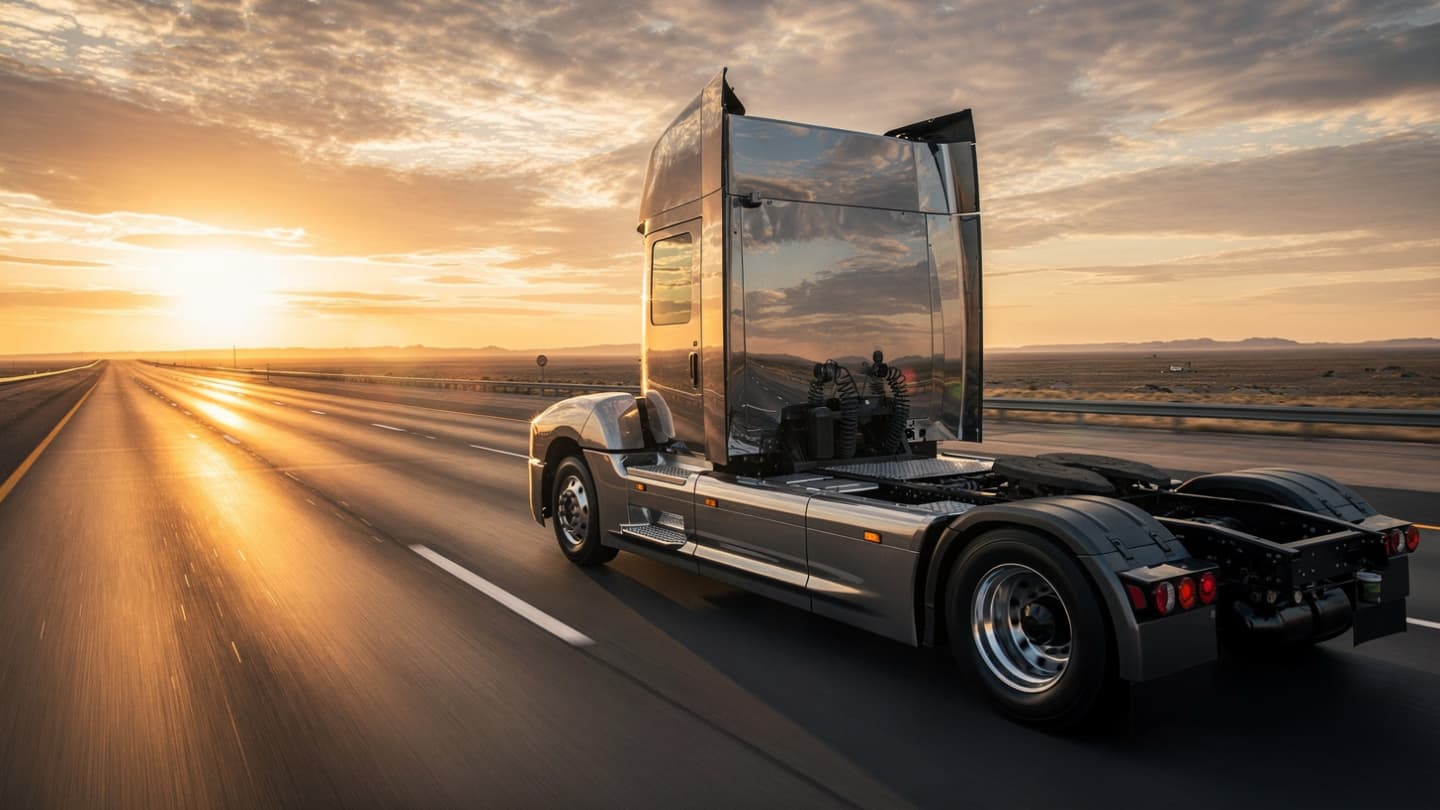
Witnessing a driverless truck on the road is a surreal experience. The absence of a human presence in the cab transforms the vehicle into a ghostly figure, gliding silently along the highway. This shift not only alters the physical landscape but also challenges our emotional connection to driving. The freedom once associated with the open road is now intertwined with data streams and algorithms, prompting a reevaluation of what it means to be autonomous.
Despite the concerns surrounding job displacement, proponents of autonomous freight delivery emphasize the potential for increased safety. Autonomous trucks are designed to eliminate human errors, which account for a significant portion of road accidents. By relying on advanced technology, these vehicles can react faster and more accurately to changing road conditions, potentially reducing the toll of accidents caused by fatigue or distraction.
As the dust settles on this historic delivery, the trucking industry stands at a crossroads. The successful operation of Bot Auto's driverless truck is a testament to years of research and development in autonomous technology. However, it also serves as a reminder of the challenges that lie ahead. The transition to a fully autonomous freight system will require careful consideration of regulatory frameworks, safety standards, and the economic impact on the workforce.
In conclusion, the first driverless freight delivery by Bot Auto marks a significant milestone in the evolution of transportation. As we move forward, it is essential to balance the benefits of technological advancements with the need to support those affected by these changes. The road ahead may be paved with innovation, but it is crucial to ensure that the human element remains a vital part of the journey.
Published by Banx Network. This article is part of the Banx decentralized media programme, powered by the BXE token on the XRP Ledger.




