
Key Highlights
- Major Seizure:Customs officials at Piraeus port uncover millions of contraband cigarettes.
- Smuggling Tactics:Illicit goods hidden within legitimate shipments to evade detection.
- Economic Impact:The seizure disrupts significant cash flows for trans-continental smuggling networks.
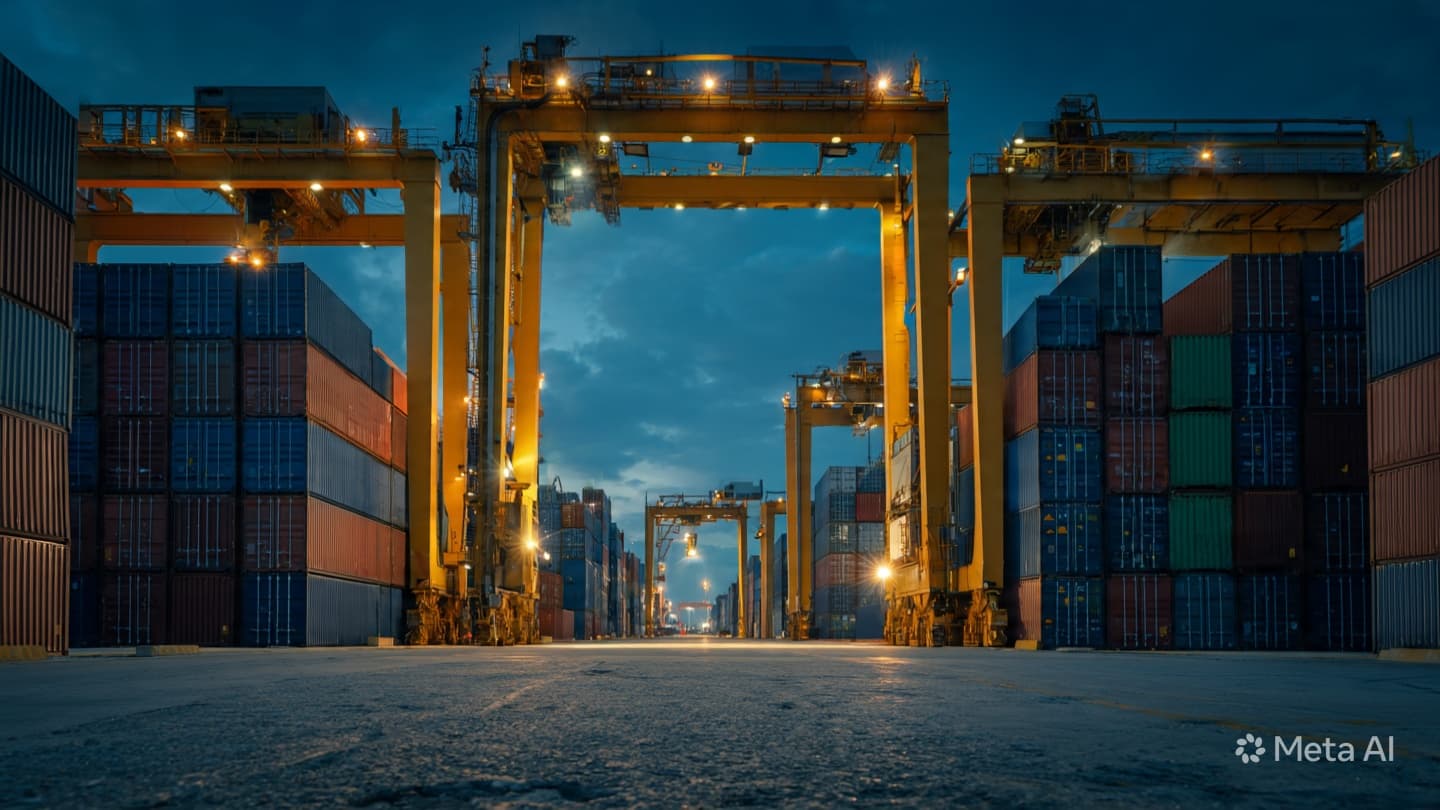
The port of Piraeus serves as a vital hub for global commerce, where the azure waters of the Aegean Sea meet the imposing structures of modern shipping. Here, massive container vessels from various regions dock in a continuous rhythm, their hulls weathered by the relentless sea. The air is thick with the scent of marine brine and diesel exhaust, punctuated by the metallic sounds of gantry cranes moving cargo. This bustling environment creates an ideal backdrop for those looking to obscure the true nature of their shipments.
In recent months, a growing tension had been brewing within the customs surveillance units stationed along the historic coastline. Their focus shifted from small watercraft to the shipping manifests of standard commercial freight lines. Smuggling networks often exploit the predictable patterns of bulk shipping, embedding illicit goods within legitimate shipments of industrial materials or household items. This quiet intrusion treats the essential transport arteries of the continent as private corridors for tax evasion and unregulated trade.
To intercept such a significant shipment in a busy commercial harbor requires meticulous investigative work. The specialized customs units opted for a patient approach, allowing targeted containers to clear the initial offloading sequence before executing their inspection orders. Utilizing advanced digital imaging technology, they scanned through the layers of crates that had arrived from overseas. Eventually, discrepancies in the cargo layout were detected, prompting a manual inspection.
Conducting a maritime contraband inspection is a physically demanding task, requiring hours of labor under the bright lights of the port. Customs officers, working alongside specialized canine teams, systematically opened pallets listed as plastic manufacturing components. Hidden deep within the containers, behind false walls of insulated material, lay thousands of master cases of unregistered cigarettes. The sheer volume of this discovery underscored the scale of the smuggling operation, revealing a massive financial ghost concealed within the everyday flow of retail transit.
The seizure of millions of contraband cigarettes emphasizes the critical role of Mediterranean transit hubs in the illicit tobacco trade. The syndicate behind this operation attempted to exploit the low-risk profile of high-volume freight, banking on the administrative pressure to expedite shipping lines to avoid detailed audits. The sophistication of the packaging and the falsification of customs documentation indicate a highly organized operation at the loading point, far from Greek borders.
The ramifications of such a seizure extend beyond the immediate financial loss to the criminal network. It sends a strong message to the regional economic enforcement community about the lengths to which syndicates will go to bypass state excise structures. With a single container capable of holding a fortune in contraband, the conventional definitions of border security must evolve to meet these challenges.
As the stacks of seized tobacco boxes were cataloged and transferred to secure storage facilities, the full extent of the network's financial reach became evident to investigators. This haul represented one of the largest recoveries at the terminal in recent years, significantly disrupting the cash flows of trans-continental smuggling groups. The port of Piraeus continues its relentless rhythm, but the battle against maritime smuggling remains a pressing concern for authorities.
Published by Banx Network. This article is part of the Banx decentralized media programme, powered by the BXE token on the XRP Ledger.



