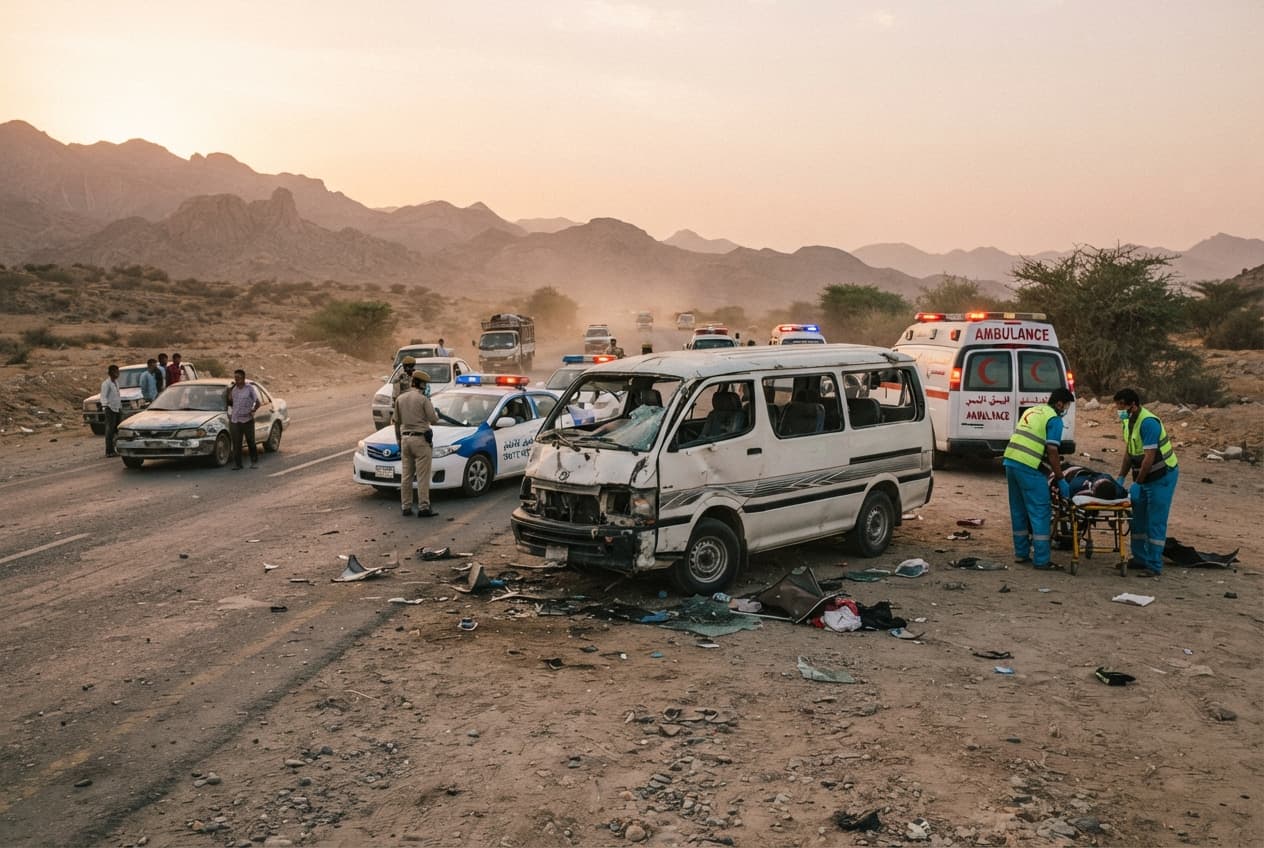
The asphalt ribbons that cross the vastness of the plains are unforgiving spaces when the winter temperature drops, places where a single mechanical failure can transform a modern vehicle into a cold, metallic vault within an hour. When the drifting snow fills the engine bays and blocks the exhaust pipes, the journey is brought to an abrupt and absolute halt, leaving families isolated amidst an immense sea of white. For over one hundred travelers caught in these vehicular breakdowns, survival became a matter of waiting for the low hum of approaching rescue crews.
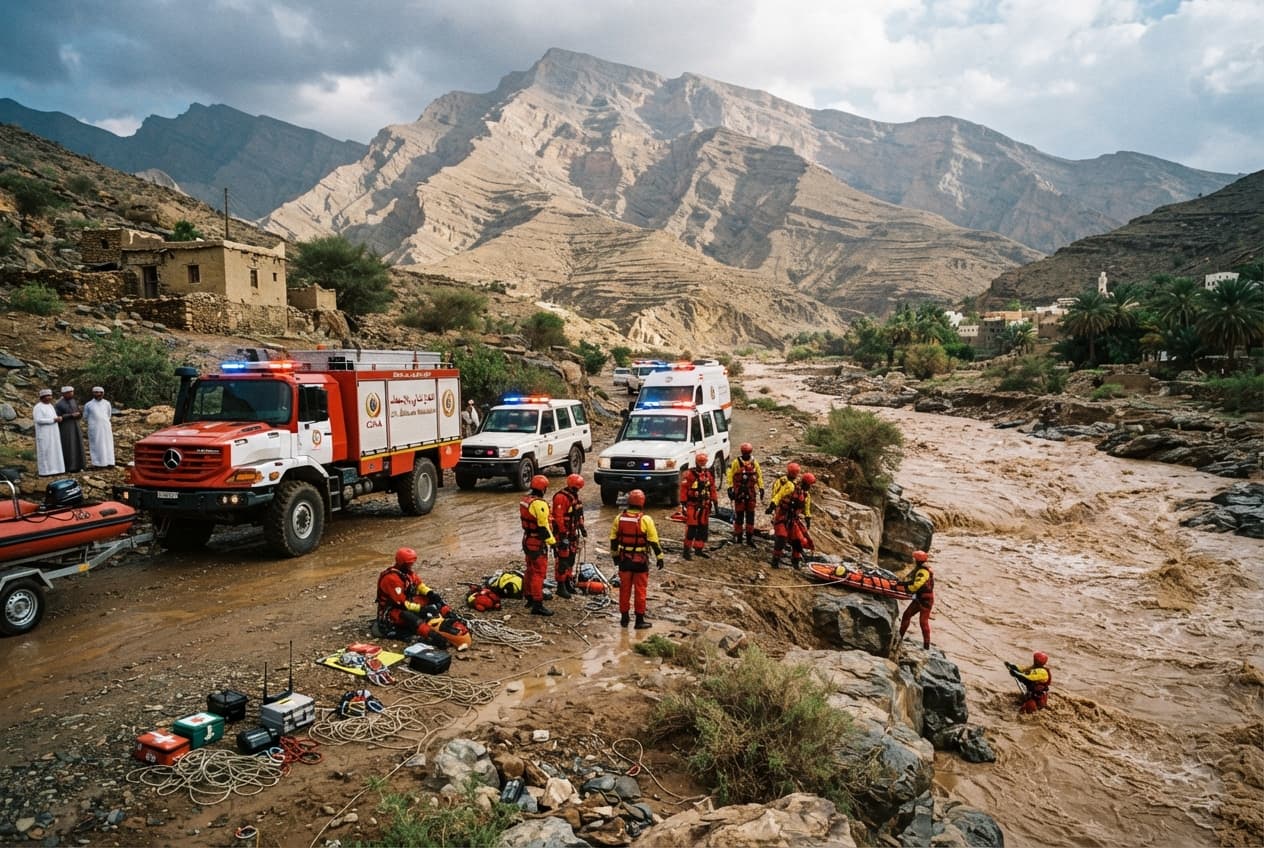
To watch a search team navigate the whiteout is to witness an exercise in deep patience and technical skill, where the coordinates of a stranded vehicle are often lost beneath yards of fresh snow. Operating heavy tracked transports and modified off-road vehicles, the emergency crews move into the wilderness in pairs, their powerful searchlights cutting thin corridors of yellow light through the driving flakes. Every mile gained against the storm requires a constant battle against freezing fuel lines and hidden ditches.
The moment of discovery is marked by a sudden change in the rhythm of the rescue, as workers leap from their transports with shovels and thermal blankets to reach the buried cabins. Inside the stranded cars, the air is thick with frost and the shallow breath of occupants who have spent hours conserving the last remnants of human warmth. The transition from the cold interior of the vehicle to the heated cabin of the rescue transport is a quiet, emotional unfolding, defined by deep sighs of relief rather than loud celebrations.
The diversity of those saved—ranging from elderly herders traveling to provincial markets to young families caught on their way to holiday gatherings—underscores the broad, unpredictable nature of the winter’s impact. Many of the travelers had spent more than twenty-four hours inside their stalled vehicles, watching the snow climb steadily past the windows until the world outside was completely obscured. Their survival is a testament to the insulative qualities of modern clothing and the discipline of staying put.
The maintenance of these rescue operations places an immense physical and emotional strain on the local emergency departments, whose personnel must work in shifts that extend long into the freezing nights. The crews face the constant risk of their own machinery breaking down in the sub-zero temperatures, an event that would transform the rescuers into victims within the span of a few minutes. This hidden danger dictates a strict adherence to safety protocols and a cautious, methodical approach to every search pattern.
In the reception centers established in the nearest administrative towns, the rescued travelers are provided with immediate medical assessments, hot meals, and a dry place to rest. The rooms are filled with the sound of boiling kettles and the low murmur of voices recounting the long hours spent waiting in the dark. For many, the physical recovery is swift, but the memory of the cold’s proximity remains a heavy, sobering presence that will alter how they view winter travel for years to come.
As the rescue vehicles prepare to head back out into the drifting snow for another sweep of the highways, the town lights offer a fragile reminder of human permanence against the wilderness.
According to official dispatches from regional rescue coordination centers, emergency crews have successfully uncovered and saved over 100 stranded travelers caught in vehicle breakdowns along major transit routes. Engineering teams report that the combination of extreme sub-zero temperatures and wind-blown snow has caused an unprecedented number of mechanical failures among commercial and private vehicles. Civil authorities maintain a strict travel advisory, urging all citizens to postpone non-essential journeys until highway clearings can be completed.
Published by Banx Network. This article is part of the Banx decentralized media programme, powered by the BXE token on the XRP Ledger.