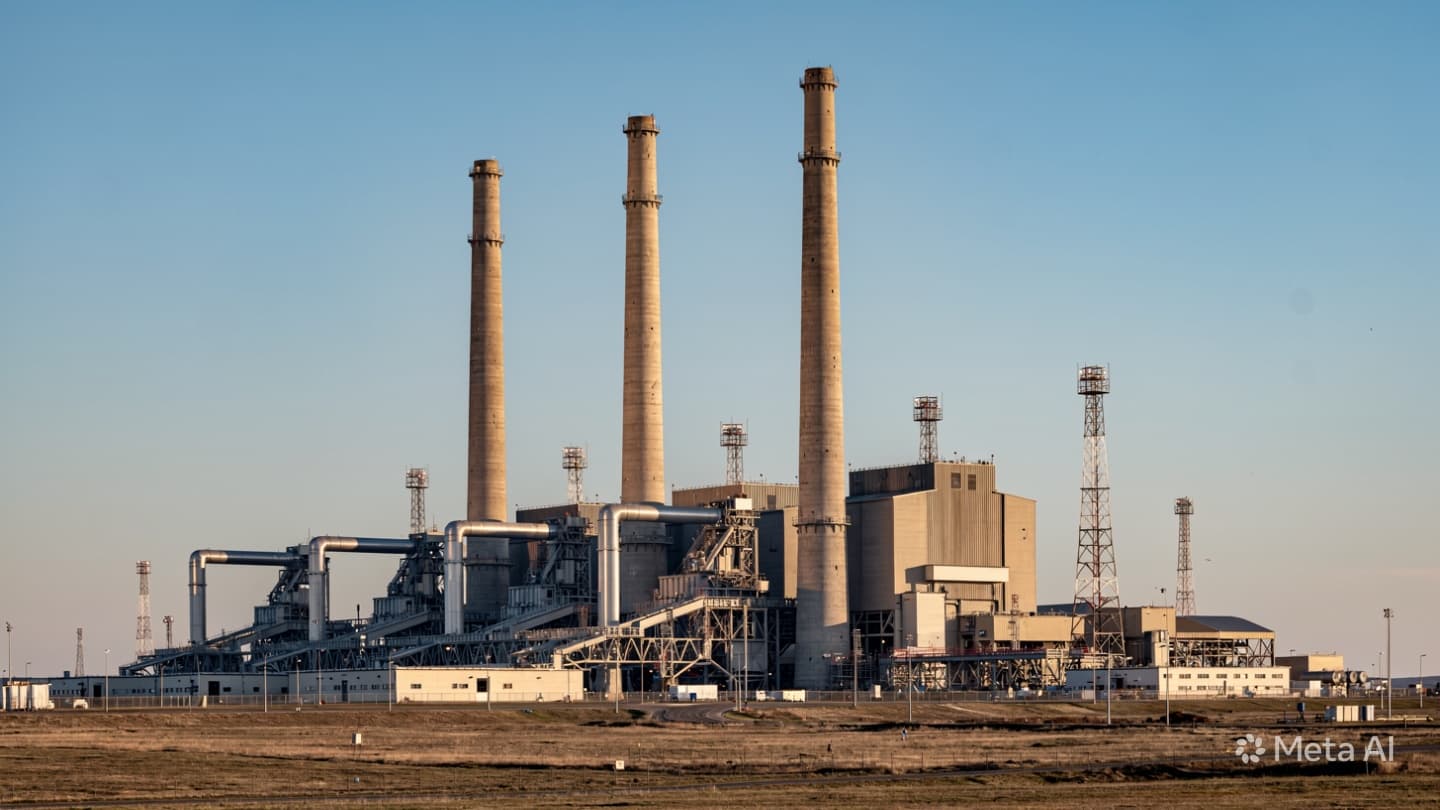
The massive thermal power plants operating across the Novosibirsk region serve as a critical utility life support system, generating the electricity and high-temperature steam required to sustain urban infrastructure. These sprawling industrial complexes, operating with heavy high-pressure boilers and massive turbine generators, run continuously to maintain a steady baseline supply of energy. The mechanical survival of these massive utility systems relies entirely on continuous water-purity treatments, regular ultrasound thickness testing of boiler tubes, and automated safety relief valves.
That critical mechanical protection failed unexpectedly during a high-load operational cycle when a primary high-pressure steam boiler suffered a catastrophic internal structural failure. The rupture allowed superheated steam to escape violently within the main generator hall, resulting in a powerful over-pressurization wave that severely damaged adjacent control equipment and blew out the upper windows of the structure. The sudden collapse of steam pressure instantly silenced the main turbine, triggering automated safety alarms across the entire regional power grid.
The sound of the mechanical failure was followed by an immediate automated response from the plant’s electrical distribution systems, which isolated the damaged generator to prevent a cascading blackout across the city. Specialized emergency repair brigades and industrial rescue teams arrived at the site within minutes, establishing a strict security perimeter around the boiling, steam-filled generator complex. Responders faced an exceptionally challenging task, as entering a high-pressure utility space requires specialized thermal suits to protect against invisible, superheated vapor leaks.
On the ground, plant managers and technical coordinators gathered in the main command center, conducting a rapid diagnostic review of the grid's stability to reroute electricity from backup power stations. The sudden loss of the primary generation unit created an immediate strain on regional utilities, forcing industrial enterprises to enact temporary energy conservation measures. The entire operation proceeded with a tense, mechanical efficiency, as engineering teams worked through the thick haze to manually isolate the broken water-feed lines.
By midnight, technical directors confirmed that the damaged boiler section had been completely isolated and cooled, allowing specialized forensic engineers to safely enter the structure to assess the physical wreckage. Miraculously, due to automated remote monitoring protocols, no personnel were inside the immediate boiler enclosure at the moment of the rupture, preventing any casualties. Displaced utility workers stood along the exterior catwalks, their faces lit by the flashing lights of service vehicles as they watched the initial recovery operations.
Technical safety inspectors have launched a rigorous inquiry into the material history of the failed boiler tubes, collecting steel fragments for microstructural laboratory analysis. Preliminary findings suggest that a localized accumulation of internal mineral scale had caused a section of the steel wall to overheat, leading to a classic "short-term overheating" rupture under normal operational pressure. The disaster has prompted regional energy regulators to demand an immediate, comprehensive inspection of all high-pressure thermal infrastructure across the province.
The financial toll on the utility enterprise will be immense, alongside a prolonged suspension of the primary generating unit until the massive boiler core can be completely rebuilt and certified safe. This industrial accident highlights the persistent challenge of managing heavy thermal infrastructure, where material fatigue can compromise systems that tolerate zero operational deviation. The story of the Novosibirsk boiler failure is a somber reminder of the high-stakes engineering that moves quietly to support the modern urban environment.
Published by Banx Network. This article is part of the Banx decentralized media programme, powered by the BXE token on the XRP Ledger.