

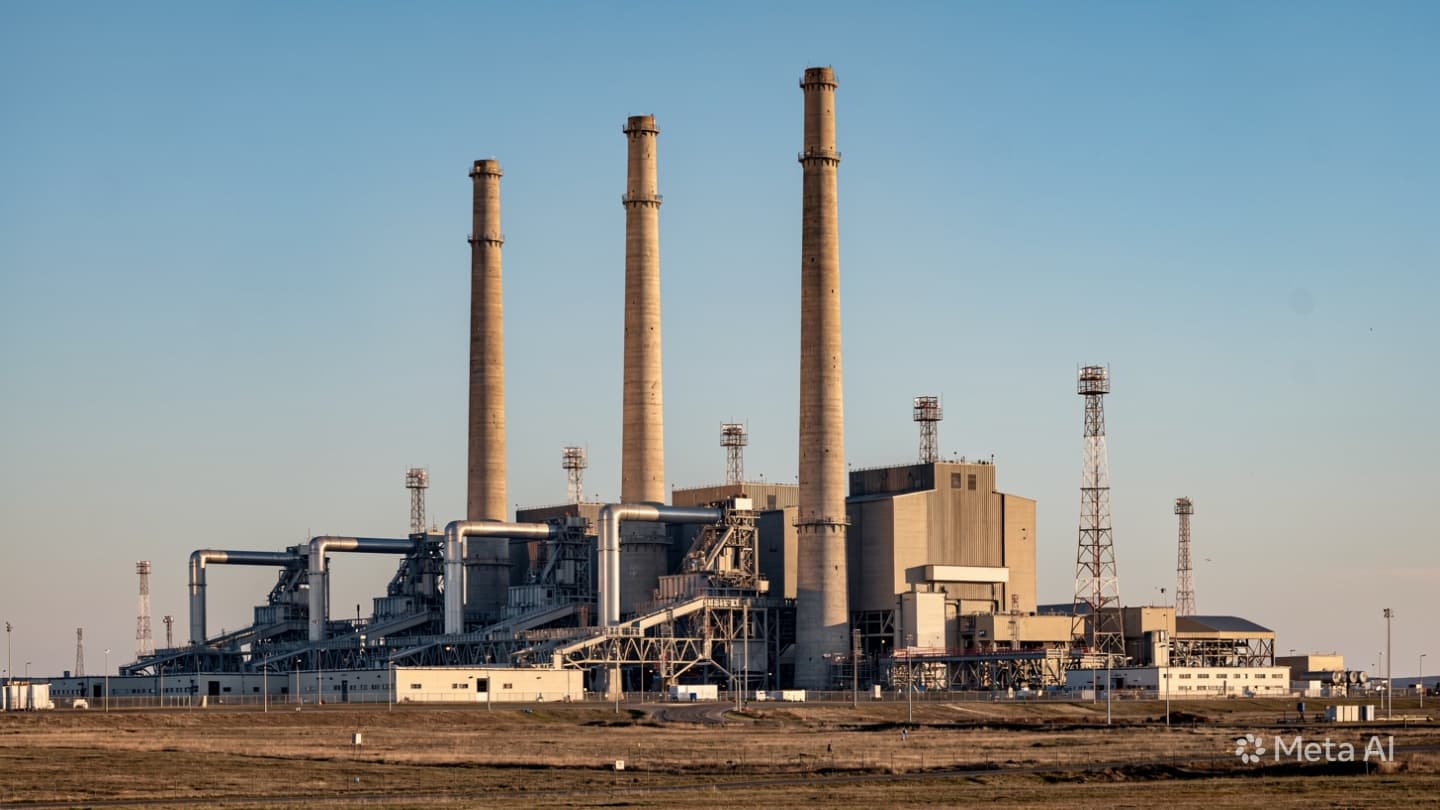
Key Highlights
- Incident:A catastrophic boiler failure occurred at a Novosibirsk thermal power plant.
- Response:Emergency teams quickly isolated the damaged generator to prevent a blackout.
- Investigation:Safety inspectors are analyzing the cause of the failure, focusing on material integrity.
The Novosibirsk region's thermal power plants are vital to the area's energy supply, generating both electricity and high-temperature steam necessary for urban infrastructure. These facilities operate continuously, relying on heavy high-pressure boilers and turbine generators to maintain a steady energy output. However, the recent catastrophic failure of a primary high-pressure steam boiler has raised serious concerns about the safety and reliability of such aging infrastructure.
During a high-load operational cycle, a critical mechanical failure occurred when the boiler suffered an internal structural rupture. This incident allowed superheated steam to escape violently, resulting in a significant over-pressurization wave that damaged adjacent control equipment and shattered windows in the generator hall. The immediate loss of steam pressure triggered automated safety alarms across the regional power grid, indicating a serious operational crisis.
In response to the emergency, the plant's electrical distribution systems quickly isolated the damaged generator, preventing a potential cascading blackout that could have affected the entire city. Emergency repair brigades and industrial rescue teams arrived promptly, establishing a secure perimeter around the affected area. The responders faced a daunting challenge, as entering the high-pressure utility space required specialized thermal suits to protect against the risk of superheated vapor leaks.
Meanwhile, plant managers and technical coordinators convened in the command center to assess the grid's stability and reroute electricity from backup power stations. The sudden loss of the primary generation unit placed immediate strain on regional utilities, prompting industrial enterprises to implement temporary energy conservation measures. The operation unfolded with a tense efficiency as engineering teams worked diligently to manually isolate the broken water-feed lines amidst the chaos.
By midnight, technical directors confirmed that the damaged boiler section had been successfully isolated and cooled, allowing forensic engineers to safely enter the structure for a thorough assessment. Fortunately, due to automated monitoring protocols, no personnel were present in the immediate vicinity of the rupture, averting potential casualties. Displaced utility workers observed the recovery operations from a distance, their faces illuminated by the flashing lights of emergency vehicles.
In the aftermath, technical safety inspectors initiated a comprehensive investigation into the material history of the failed boiler tubes. They collected steel fragments for microstructural analysis, with preliminary findings indicating that a localized accumulation of mineral scale had caused a section of the steel wall to overheat, leading to the rupture. This incident has prompted regional energy regulators to demand immediate inspections of all high-pressure thermal infrastructure across the province to prevent future occurrences.
The financial implications for the utility company are expected to be substantial, compounded by the prolonged suspension of the primary generating unit until the boiler core can be rebuilt and certified safe. This industrial accident serves as a stark reminder of the challenges associated with managing aging thermal infrastructure, where material fatigue can lead to catastrophic failures in systems that are critical to urban life. The Novosibirsk boiler failure underscores the importance of rigorous maintenance and oversight in the energy sector, as the stakes remain high for both operators and the communities they serve.
Published by Banx Network. This article is part of the Banx decentralized media programme, powered by the BXE token on the XRP Ledger.




