
Key Highlights
- Tragic Incident:A bus accident in Guatemala's highlands resulted in 51 fatalities.
- Community Impact:The disaster has left villages mourning the loss of key family members.
- Safety Concerns:The incident raises questions about public transport safety and infrastructure.
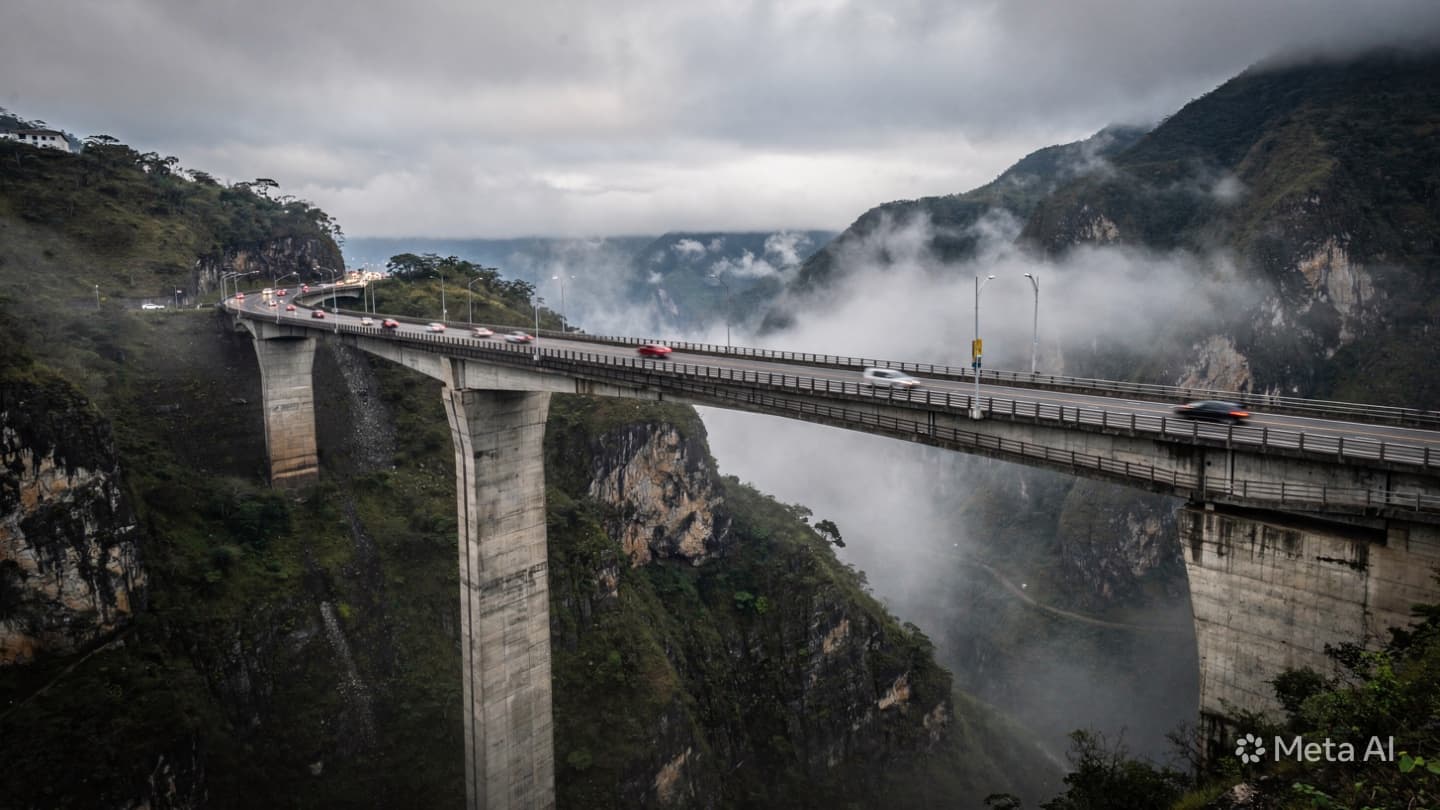
The early morning air in the Guatemalan highlands is often thick with mist, creating an atmosphere of profound solitude along the alpine highways. These routes serve as vital connections for remote agricultural communities, linking them to the bustling markets of the capital. However, the fragility of this daily transit was starkly highlighted by a recent tragedy involving a mass transit bus that lost control on a major transit bridge.
On that fateful day, the bus, filled with passengers traveling for various reasons, was navigating the steep inclines and sharp bends typical of the region's topography. As it approached the bridge, a sudden loss of control sent the vehicle crashing through the barrier and into the canyon below. Emergency responders confirmed that at least fifty-one individuals perished in the impact, marking this incident as one of the most severe transit disasters in Guatemala's recent history.
The aftermath of the crash has left a chilling atmosphere in the affected villages, where families mourn the loss of elders, parents, and children. The impact of losing so many lives at once strikes at the very heart of these small communities, leaving households without primary breadwinners and children without care. Local churches and community centers have transformed into spaces of quiet gathering, where neighbors come together to support one another in their grief.
In the wake of the disaster, the institutional response has focused on recovery logistics and victim identification, a process complicated by the remote crash site. Government officials have expressed condolences and declared a period of national mourning. Traffic safety agencies have launched a comprehensive investigation into the cause of the accident, with preliminary findings indicating brake failure and wet road conditions as contributing factors.
This tragedy has reignited a long-standing national conversation about the regulation and oversight of mass transit companies operating in the highlands. Safety advocates argue that without stricter enforcement of maintenance standards and regulations regarding driver working hours, the steep mountain roads will continue to pose significant risks to travelers. This discussion often resurfaces following crises, only to fade back into the background of daily life.
As the wreckage is cleared and the bridge barrier temporarily repaired, the highway resumes its usual patterns, carrying a new generation of travelers across the same high spans. Yet, the memory of the fifty-one lives lost remains etched in the landscape, a somber reminder of the risks inherent in traversing these high roads. It serves as a testament to the resilience of a community that must continue to navigate these perilous routes, even as they are marked by the shadows of tragedy.
Published by Banx Network. This article is part of the Banx decentralized media programme, powered by the BXE token on the XRP Ledger.



