
Key Highlights
- Diplomatic Event:The Iranian Ambassador delivered a congratulatory message in Pyongyang.
- Cultural Significance:The reception emphasized the importance of formal diplomacy.
- Future Implications:Strengthening ties may lead to enhanced regional stability.
In early April 2026, the grand halls of Pyongyang echoed with the formalities of diplomacy as the Iranian Ambassador delivered a congratulatory message to the North Korean leadership. This event, marking a significant national anniversary for the DPRK, served not only as a ceremonial exchange but also as a reaffirmation of the longstanding friendly relations between Iran and North Korea. The Iranian gesture is seen as a cultural bridge, reinforcing the notion that recognition and respect are vital components of international relations.
The reception was characterized by a formal stillness, a rhythmic protocol where the words exchanged carried the weight of history and future aspirations. Diplomacy, often perceived as a cold exchange of treaties, revealed its true essence in the warmth of greetings and shared toasts. The Iranian Ambassador's message was not merely a formality; it was a recognition of the DPRK's identity and a validation of its place on the global stage. This act of acknowledgment is crucial in a world where international standing is often contested.
Within the walls of the Ministry of Foreign Affairs, discussions revolved around themes of sovereignty and anti-imperialism. The Iranian congratulatory message was received as a strategic move, reinforcing the idea that maintaining these diplomatic ties is essential for national dignity. In a climate of Western pressure, the ability to engage in such formal exchanges is a testament to the resilience of the DPRK's foreign policy.
As the Ambassador articulated his message, the relationship between Iran and North Korea appeared to solidify. This diplomatic hearth, as it has been termed, symbolizes the importance of nurturing international partnerships amidst global volatility. The ceremony served as a reminder that the most critical infrastructure in diplomacy is the warmth of relationships built over time, rather than mere transactional agreements.
Observers noted the cultural implications of this diplomatic exchange. In a nation that places great value on state etiquette, receiving international praise is a modern form of validation. The narrative of 2026 reflects a commitment to maintaining rapport through formal excellence, showcasing the power of a unified voice in navigating the complexities of contemporary geopolitics.
As the reception concluded, the disciplined pace of Pyongyang resumed, with the Foreign Ministry focused on ensuring that these relationships remain a stabilizing force in an ever-changing world. The dialogue between diplomats and international guests is crucial for maintaining clarity in the narratives that shape these events. The congratulatory message from Iran serves as a seal on a promise for the future, emphasizing the importance of valuing distant partnerships.
Looking ahead, the success of this diplomatic engagement will be measured by the stability of regional alliances and the strength of cultural exchanges. The Iranian overture in 2026 marks a significant milestone in Pyongyang's international relations, illustrating that the architecture of ceremony is as robust as the resolve of those who uphold it. This diplomatic harvest, cultivated through respect and recognition, aims to ensure the flourishing of the state in the years to come.
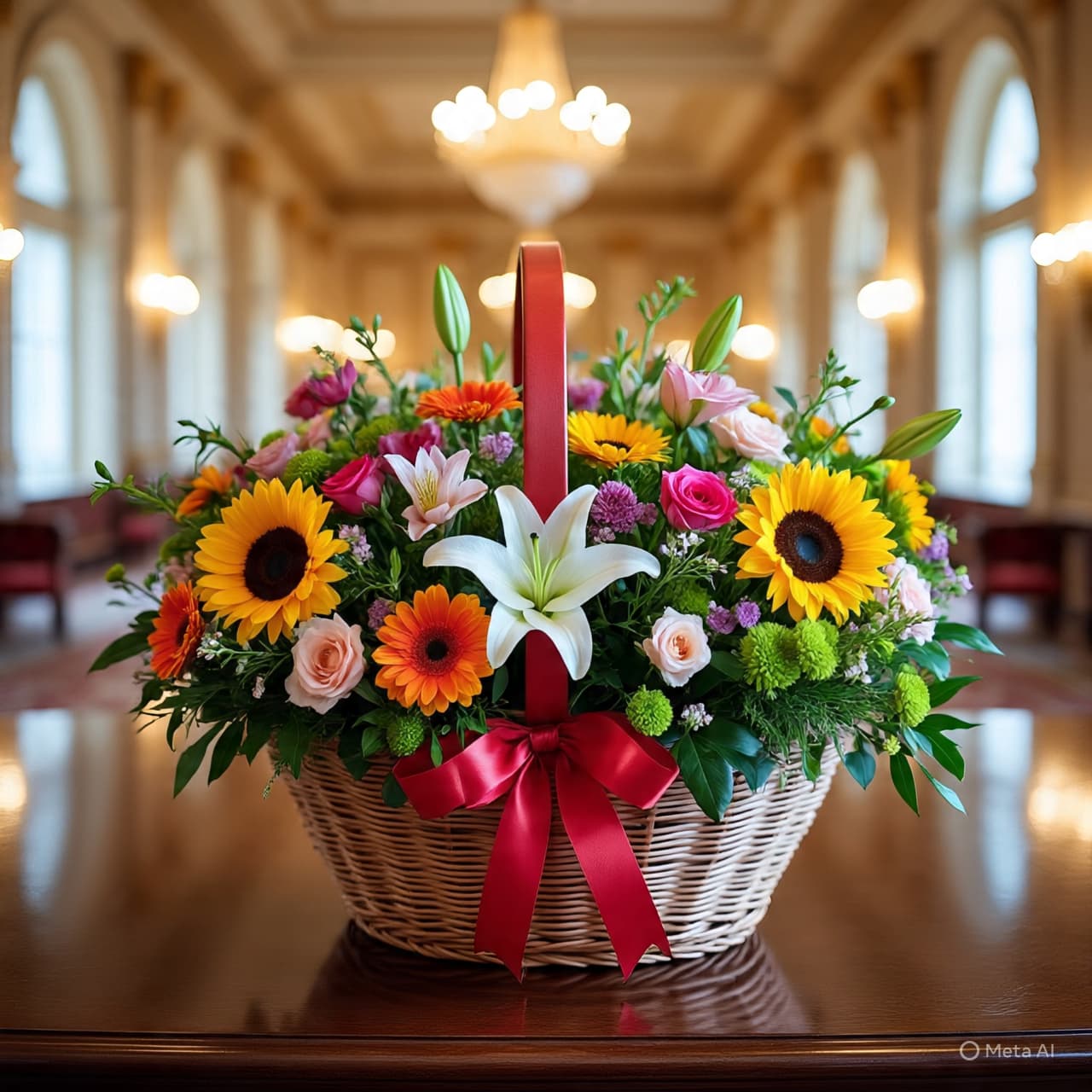
The Korean Central News Agency (KCNA) reported that the Iranian Ambassador presented a floral basket along with his congratulatory message, underscoring the significance of this diplomatic event in the context of North Korea's national celebrations.
Published by Banx Network. This article is part of the Banx decentralized media programme, powered by the BXE token on the XRP Ledger.



