
Key Highlights
- Argentina's National Atomic Energy Commission (CNEA) initiates testing for small modular reactors.
- The project aims to provide scalable, carbon-neutral energy solutions.
- Testing includes rigorous assessments of reactor components and cooling systems.
Argentina's landscape, particularly in Atucha, is marked by the imposing structures of nuclear power plants, symbolizing the nation's commitment to harnessing atomic energy. Recently, the National Atomic Energy Commission (CNEA) has embarked on a significant new initiative: the testing of components for a new generation of small modular reactors (SMRs). This shift from traditional large reactors to smaller, more efficient designs represents a pivotal moment in Argentina's energy strategy, focusing on flexibility and safety.
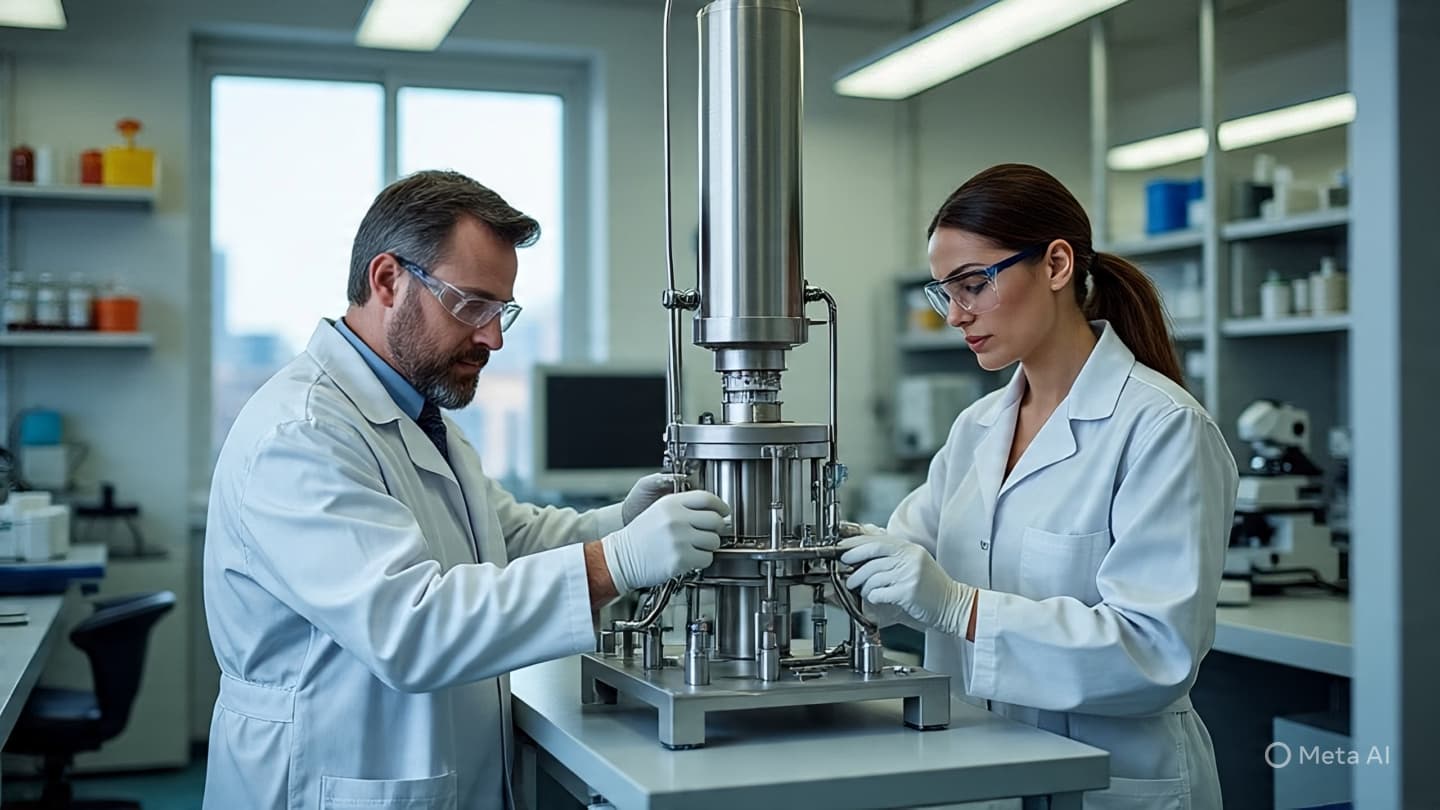
The testing phase is characterized by meticulous attention to detail, akin to a high-tech monastery where every component is examined under conditions that replicate the extreme environments of a nuclear reactor. This rigorous process underscores Argentina's dedication to maintaining its intellectual heritage in nuclear science while adapting to the global demand for cleaner energy solutions. The CNEA's efforts reflect a broader trend toward decentralized nuclear power, which is gaining traction worldwide.
As engineers and scientists work diligently in the laboratories, they are not only advancing technology but also honoring the historical significance of nuclear energy in Argentina. The small modular reactor is more than just a technological advancement; it embodies the belief that science can be tailored to meet the specific needs of local communities. This approach advocates for a balanced energy future, where local resources and expertise are leveraged to create sustainable energy solutions.
The atmosphere within the facility is one of intense focus, where the data generated from testing is prioritized over the passage of time. This initiative positions Argentina as a leader in the global movement toward innovative nuclear solutions. By investing in the development of SMRs, the country is ensuring that the necessary skills and knowledge for managing nuclear technology are preserved for future generations.
As the sun sets over the Rio de la Plata, the importance of these tests becomes increasingly evident. The transition to modular systems not only enhances energy security but also aligns with international nuclear standards. The CNEA's work is a testament to Argentina's commitment to technological independence and its ambition to contribute to the global energy landscape.
The CNEA has officially commenced the testing phase for critical components of its domestic small modular reactor project. This phase involves comprehensive thermal-hydraulic simulations and structural integrity assessments of the reactor's pressure vessel and cooling systems. Government officials have stated that the project aims to provide scalable and carbon-neutral energy solutions for remote regions and industrial hubs across the country, marking a significant step forward in Argentina's energy strategy.
In conclusion, the successful completion of these preliminary tests will serve as a beacon for the region, showcasing the potential of domestic nuclear innovation. While the process is gradual and requires unwavering rigor, the direction is clear: Argentina is poised to redefine its energy future through the advancement of small modular reactors.
Published by Banx Network. This article is part of the Banx decentralized media programme, powered by the BXE token on the XRP Ledger.



