
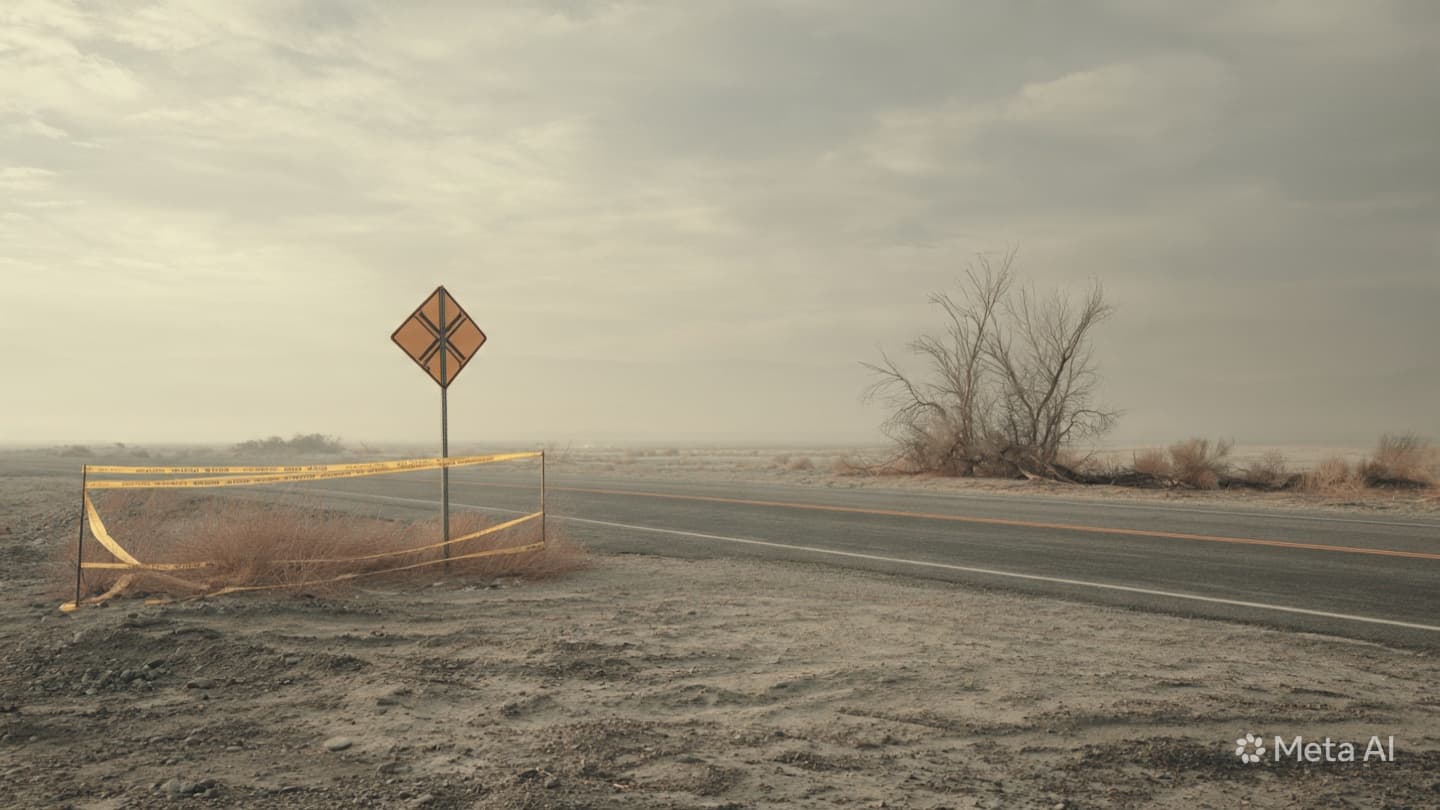
The detention of a 19-year-old man in connection with the Vogelwaarde collision has introduced a new, complex dimension to our collective reflection. It is a development that moves the tragedy from the immediate, raw experience of the loss into the structured, analytical sphere of the law. One observes the news of the arrest and feels a sense of profound, complicated gravity. Here are two lives—or, in this case, many lives—that have been irreversibly altered by a single, shattering event, leaving us to navigate the uncomfortable, necessary questions of accountability, intention, and the sheer, unpredictable volatility of our daily transit.
There is a sense of somber inevitability to this stage of the process. The law, in its effort to parse the circumstances of the crash, demands that we look at the actions of the individual with the same rigor that we look at the engineering of the road. One imagines the questions being asked in the sessions of the investigative team, the careful reconstruction of the vehicle’s path, and the attempt to reconcile the actions of a nineteen-year-old with the horrific, catastrophic outcome. It is a process that asks us to hold space for the legal search for truth, even as we continue to grieve the loss of the children and the parent.
The suspect, at the threshold of his own adulthood, is now a figure around which the community’s unanswered questions cluster. We see the news reports and the cautious language of the authorities, and we are left with the awareness that there is a deep, human story yet to be fully told. It is a story that is not just about the technical failure or the mechanical error, but about the choices, the circumstances, and the reality of a life that has now been tethered, for better or worse, to the tragedy of Vogelwaarde. We are a community that seeks justice, yet we are also one that understands the profound, enduring weight of consequence.
Reflection here leads one to consider the role of accountability in our public life. We look to the authorities not for a catharsis of blame, but for a restoration of the order that was so violently disrupted. The detention of the suspect is a marker of this restorative process, a way of signaling that our society takes the sanctity of our paths seriously and that every tragedy of this scale requires a thorough, transparent accounting. We are not looking for vengeance; we are looking for an explanation that allows us to integrate this event into our shared understanding of the world.
As the legal proceedings begin, the town remains in a state of quiet, observational patience. We are cognizant of the suspect’s right to due process, and we are equally cognizant of the immense, ongoing suffering of the victims' families. It is a delicate balance, one that the legal system is designed to hold, yet it is one that we feel as members of the same community. We watch, we reflect, and we wait for the truth to be articulated, knowing that it will be a cornerstone of our ability to move forward.
The road near Vogelwaarde has returned to its quiet, rural state, but the memory of the crash remains. The detention of the suspect is merely the beginning of a long, arduous process that will reach into the months and perhaps the years ahead. We move through our days with the awareness that our legal and judicial systems are a vital, structural piece of our recovery—a mechanism for processing the unthinkable and ensuring that the lessons of the tragedy are documented, analyzed, and finally, addressed.
In the final assessment, the detention of the suspect is a reminder of our interconnectedness. We are all bound by the same roads, the same risks, and the same laws. As we look toward the future, we do so with a commitment to the truth and a reliance on the institutions that allow us to seek it. We walk with a heavy, contemplative step, carrying the weight of the tragedy while seeking the clarity that will eventually allow us to build a more secure, more thoughtful, and more profoundly protective path for all of our children.
A 19-year-old man from Hulst has been detained by police following the fatal collision on the N290. Authorities have confirmed he is a suspect in the ongoing investigation, though details regarding the specific charges or his role as the driver remain subject to legal and forensic review. The Public Prosecution Service is coordinating with investigators to establish the sequence of events leading up to the crash. During the detention period, the suspect remains in custody while forensic experts and traffic accident analysts finalize their reports on the vehicle’s performance and the environmental conditions of the road.
Published by Banx Network. This article is part of the Banx decentralized media programme, powered by the BXE token on the XRP Ledger.

.jpg&w=3840&q=75 "Intelligence Agencies Suspect Russia Is Developing Anti-Satellite Weapon to Target Starlink")