
Key Highlights
- High winds in northern Moldova caused power outages for over 1,500 residents.
- Utility crews are actively working to restore electricity in affected areas.
- The State Hydrometeorological Service issued a yellow code warning for the region.
In the northern reaches of Moldova, the landscape is often a study in the power of the open sky, where the wind moves with an unimpeded grace across the plains. Recently, however, this motion transformed into a force of disruption, prompting the State Hydrometeorological Service to issue a yellow alert. As atmospheric pressure dropped, the winds intensified, challenging the quiet stability of rural districts and turning the invisible hand of the wind into a source of chaos.
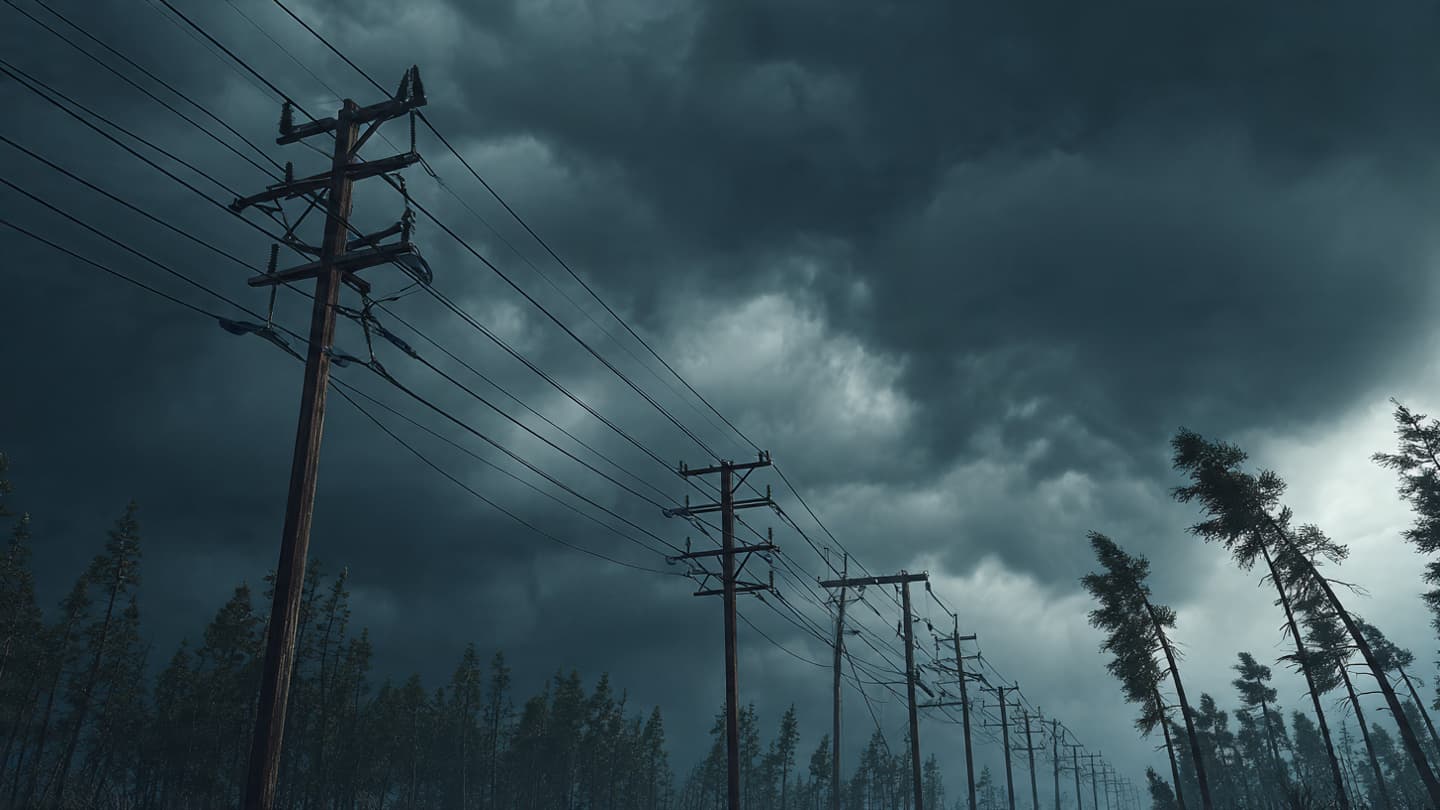
The high winds arrived with a persistent, howling intensity, testing the endurance of the infrastructure that binds the northern communities together. Trees that had stood for decades bent under the strain, their branches lashing out against power lines that thread through the villages. For hundreds of residents, the evening was marked by the flicker of candlelight and the steady, rhythmic drumming of the gale against the shutters, as the hum of modern life was abruptly silenced.
The disruption of the power grid is a narrative of broken connections and a sudden return to a more primitive rhythm of life. Utility crews, the silent guardians of the network, ventured into the storm, their trucks buffeted by the same forces they sought to repair. Working in high winds is a delicate and dangerous task, requiring a steady hand and a deep understanding of the mechanics of the line. Each fuse replaced and every cable re-secured represented a victory against the chaos of the weather, a slow weaving back together of the community’s vitality.
The yellow alert served as a somber warning to residents to stay within the safety of their homes and to respect the power of the natural world. In the towns of Ocnița and Edineț, the streets were deserted, with only the debris of autumn being chased by the gusts. A communal vulnerability emerged as the elements asserted their dominance, reminding everyone that systems of light and heat are ultimately tethered to the moods of the atmosphere. The wind, usually a secondary thought, became the primary subject of every conversation.
Meteorologists monitored the progress of the front from their sterile offices, their screens filled with swirling patterns of pressure gradients. There is a profound narrative distance between the cold data of wind speed and the visceral experience of families waiting for the lights to return. The
Published by Banx Network. This article is part of the Banx decentralized media programme, powered by the BXE token on the XRP Ledger.



