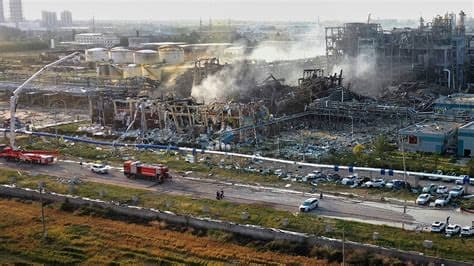
Evening settled slowly over the region, the kind of heat-softened dusk where city lights begin to shimmer before the day has fully disappeared. In Tehran, conversations continued behind guarded doors and within offices where curtains remained drawn against the late summer haze. Across the Gulf and farther west in Washington, officials waited for signals that had not yet arrived — a statement, a draft response, perhaps simply a shift in tone suggesting movement after weeks of tension and negotiation.
For now, however, Iran has kept the United States waiting.
Diplomatic efforts surrounding a proposed peace framework and broader regional de-escalation have entered another uncertain pause, as Iranian officials continue reviewing terms presented through indirect talks and intermediary channels. American officials had reportedly hoped for a quicker response to the proposal, which aims to reduce tensions tied to regional conflict, sanctions pressure, military escalation, and security concerns stretching across the Middle East.
But diplomacy in this region rarely moves according to public deadlines. It advances instead through hesitation, symbolism, and carefully measured ambiguity.
The silence itself has become part of the negotiation.
Officials familiar with the discussions say Tehran remains cautious about committing publicly to any agreement perceived domestically as concession without reciprocal guarantees. Iranian leaders are reportedly weighing security assurances, sanctions relief mechanisms, and broader strategic implications before responding formally. Meanwhile, Washington continues pressing for momentum, concerned that delays could deepen instability at a moment already shaped by fragile ceasefires, proxy tensions, and political pressure on multiple fronts.
Behind the scenes, mediators from regional and international governments continue carrying messages between capitals. Such indirect diplomacy has become almost routine in modern Middle Eastern politics, where adversaries often negotiate through intermediaries rather than direct engagement. Conversations travel quietly through embassies, intelligence channels, summit sidelines, and carefully worded public remarks that reveal little while signaling much.
The atmosphere surrounding the talks reflects a region exhausted by cycles of escalation yet uncertain how to escape them fully. In cities across the Middle East, ordinary life unfolds beneath persistent geopolitical strain. Oil tankers move through narrow shipping lanes. Air defense systems remain active behind urban skylines. Financial markets react to rumors before official statements appear. Families follow headlines with a mixture of anxiety and familiarity, aware how quickly regional tension can alter the texture of daily life.
For Iran, delay may itself serve strategic purposes. Time allows internal political factions to negotiate positions, military planners to assess regional dynamics, and diplomats to gauge whether Washington’s proposal reflects durable policy or temporary political calculation. Iranian officials have historically approached negotiations with caution shaped by decades of sanctions, broken agreements, and shifting international alignments.
For the United States, the waiting carries its own pressures. American officials face demands to demonstrate diplomatic progress while also maintaining deterrence and reassuring regional allies concerned about security guarantees and Iranian influence. Any agreement or de-escalation framework must navigate not only international diplomacy, but domestic political scrutiny within Washington itself.
The broader regional backdrop deepens the uncertainty. Conflicts involving proxy groups, maritime security incidents, and tensions between Israel and Iranian-aligned actors continue influencing the diplomatic climate. Even periods of relative calm feel provisional, suspended between negotiation and renewed confrontation.
Yet amid the strategic calculations, there remains something deeply human about diplomatic waiting. Entire regions often pause around decisions made inside rooms few people ever see. Markets hold their breath. Military commanders delay certain actions. Citizens wonder whether tomorrow will resemble yesterday or shift unexpectedly toward escalation.
The language of diplomacy also reveals its own peculiar rhythm — statements about “constructive discussions,” “ongoing consultations,” and “careful review” masking negotiations where stakes remain extraordinarily high. Peace proposals rarely arrive as singular moments of breakthrough. More often, they emerge through long sequences of delay, mistrust, revision, and reluctant compromise.
As night deepens over Tehran, traffic still moves through wide boulevards beneath mountain silhouettes fading into darkness. In Washington, briefing papers continue circulating through offices lit long after sunset. Somewhere between the two capitals, messages remain suspended in transit, carried through diplomatic channels designed to preserve dialogue even when certainty disappears.
For now, no final answer has been delivered publicly. The silence continues.
And in that silence rests the familiar tension of Middle Eastern diplomacy — the understanding that history in the region is often shaped not only by declarations and wars, but by pauses, hesitations, and the fragile space between proposal and reply.
AI Image Disclaimer: These visuals were produced using AI-generated imagery and are intended as interpretive representations of the events discussed.
Sources:
Reuters Al Jazeera BBC News Associated Press The New York Times
Published by Banx Network. This article is part of the Banx decentralized media programme, powered by the BXE token on the XRP Ledger.