
Key Highlights
- Incident:A tragic avalanche in the Swiss Alps has claimed the lives of three climbers.
- Rescue Operations:Regional air rescue services mobilized immediately following the incident.
- Safety Warnings:Authorities urge caution in high-altitude areas due to unstable snow conditions.
On a serene morning in the Swiss Alps, a small climbing expedition set out along a classic route, unaware of the impending danger that lurked within the snowpack. The climbers, equipped with crampons and ropes, embraced the beauty of the alpine landscape, characterized by its stark contrasts of gray rock and blue ice. However, the tranquility of the high altitudes belied the volatile nature of the environment, where subtle changes in temperature could trigger catastrophic events.
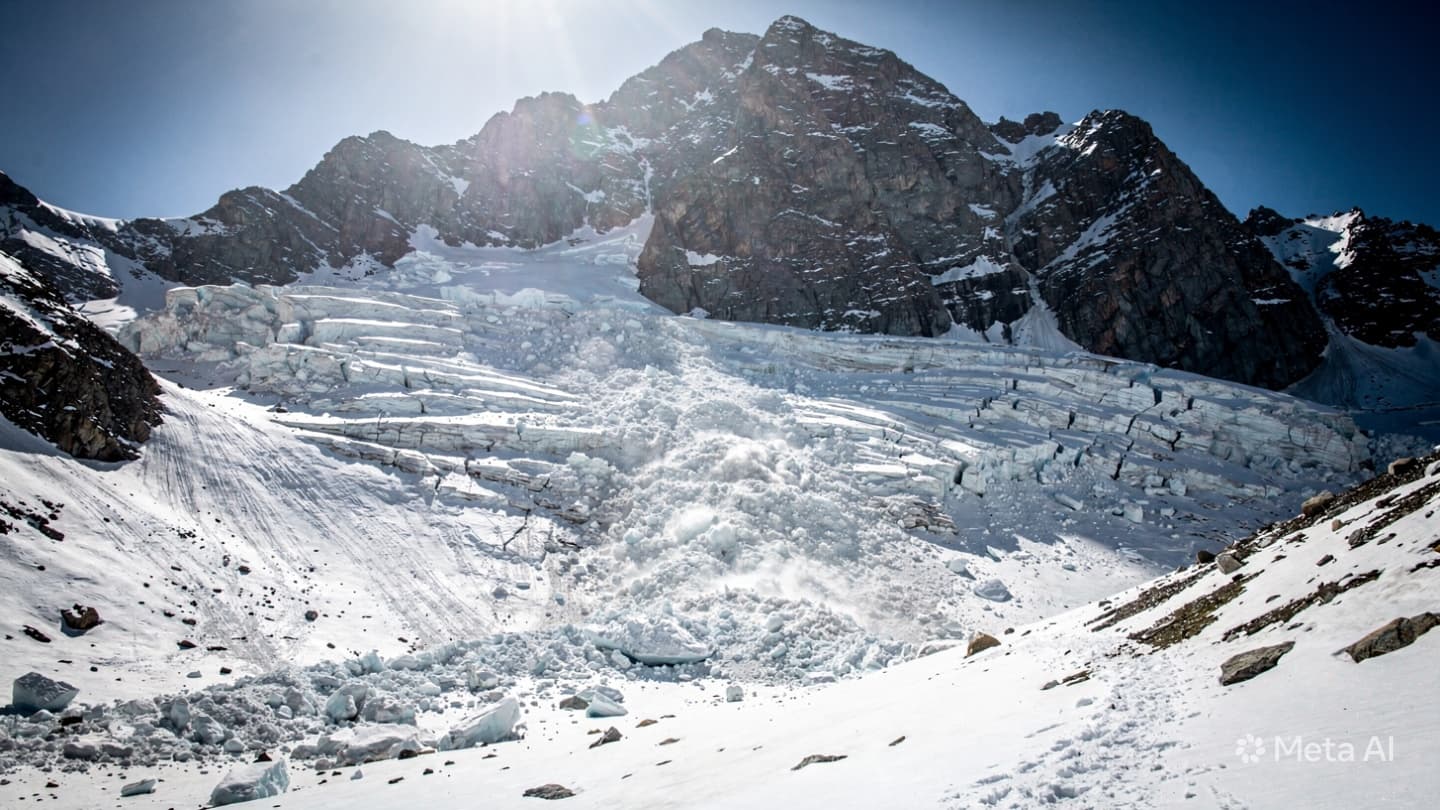
As the sun rose, it warmed the upper slopes, introducing thermal energy that destabilized the layers of snow accumulated over the winter months. Deep within the snowpack, a weak plane formed, creating a precarious situation. The climbers, navigating the exposed terrain, were unaware that gravity was silently negotiating with the friction holding the massive ice in place. In a split second, the delicate balance shifted, leading to the release of a slab avalanche.
The avalanche struck with a low, resonant vibration, quickly escalating into a roaring wall of snow that swept down the steep couloir. The climbing party, caught off guard, had no natural shelter to protect them from the overwhelming force of the descending snow. Within moments, the pristine lines of their ascent were obliterated, replaced by a chaotic mass of snow that settled heavily in the basin below.
When the climbers failed to check in at the high-altitude hut, alarm bells rang, prompting an immediate response from regional air rescue services. Helicopters soared through the crisp mountain air, their shadows darting across the glaciers as search crews scoured the debris field for any signs of life. The rescue operation was a meticulous and technical endeavor, relying on avalanche transceivers, probing poles, and the expertise of specialized handlers and their trained dogs. Time was of the essence, as the threat of secondary slides loomed from the unstable seracs above.
As the afternoon shadows lengthened, the search reached a somber conclusion. Three mountaineers were discovered beneath the heavy layers of the avalanche, their final journey tragically cut short. The recovery team worked with a sense of reverence, preparing the bodies for transport back to the valley's medical facilities. The mountains, indifferent to the tragedy, stood unchanged, their summits glowing softly in the dying light.
In the aftermath of the avalanche, the cantonal police confirmed the recovery of the three deceased climbers. Authorities have temporarily closed access to the affected alpine corridor while snow safety experts conduct controlled detonations to stabilize the surrounding slopes. Alpine clubs and guiding services are now being urged to exercise extreme caution across all high-altitude passes, as unseasonably warm temperatures continue to destabilize snowpacks, raising concerns for future expeditions.
The tragic incident serves as a stark reminder of the inherent risks associated with alpine climbing, where beauty and danger coexist in a delicate balance. As climbers continue to seek the allure of the mountains, the need for vigilance and respect for the unpredictable nature of the alpine environment remains paramount.
Published by Banx Network. This article is part of the Banx decentralized media programme, powered by the BXE token on the XRP Ledger.



