
Key Highlights
- Avalanche Warning:Level 4 warning issued by the Norwegian Avalanche Warning Service.
- Heavy Snowfall:Recent storms have transformed the landscape into a hazardous environment.
- Community Impact:Increased caution affects local residents and winter tourism activities.
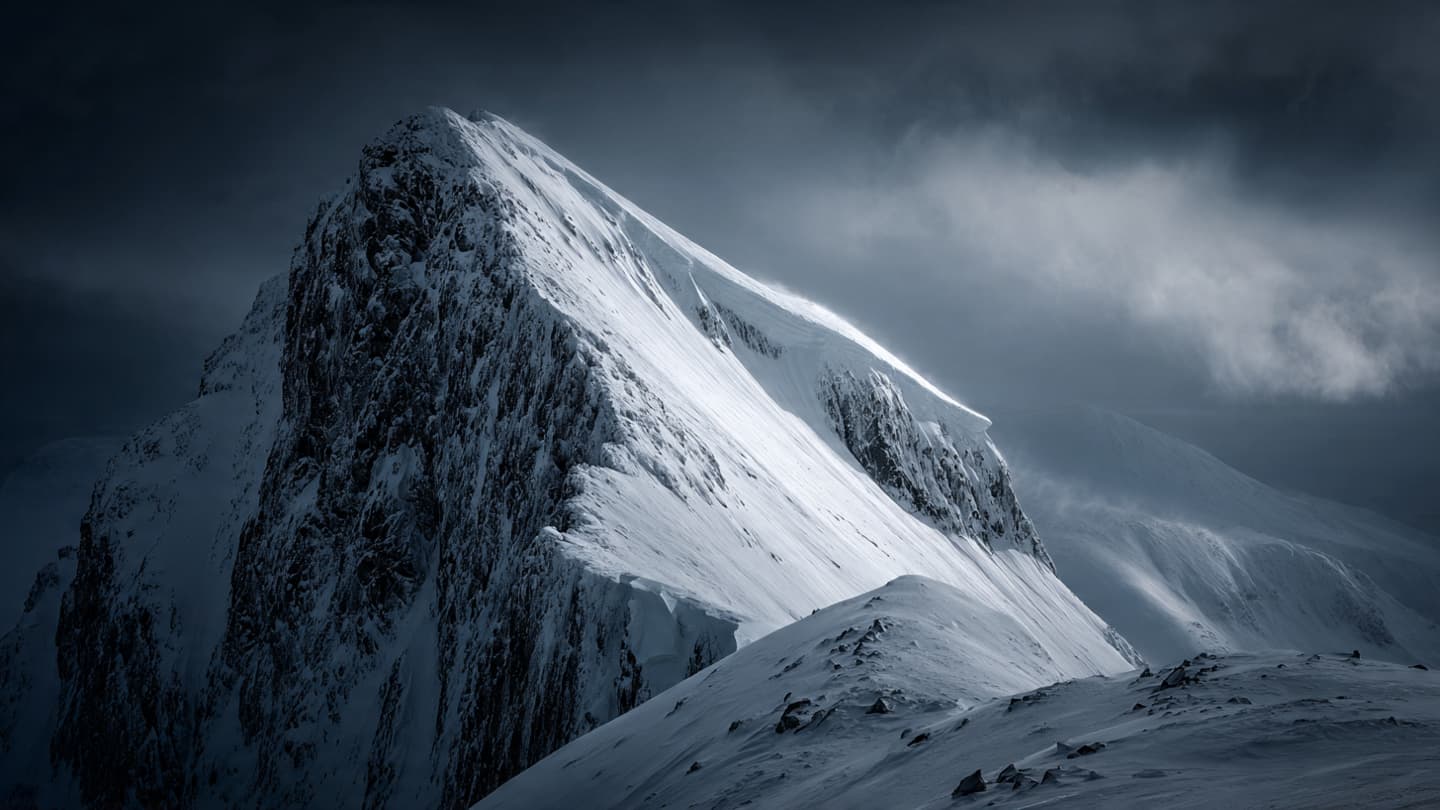
In the high reaches of Northern Norway, where the mountains of Troms and Finnmark stand as jagged sentinels against the Barents Sea, the snow does not merely fall; it accumulates with a heavy, purposeful intent. After days of relentless snowfall driven by the biting winds of the Arctic, the landscape has been transformed into a world of deep drifts and unstable cornices. The decision to raise the avalanche warning to its highest level is a ritual of safety, a recognition that the mountain is currently a territory of movement and hazard.
The warning issued by the Norwegian Avalanche Warning Service (Varsom) is a narrative of atmospheric weight and geological instability. As the new snow settles upon the old, weak layers of the winter’s past, the bond between the two becomes increasingly fragile. The wind acts as a sculptor, piling the snow onto the lee slopes until the force of gravity becomes an irresistible command. It is a moment where the silence of the high pass carries a different frequency—a low, subsonic warning that the white landscape is ready to fracture and descend.
For the residents of the northern valleys and the enthusiasts of the back-country, this warning is a call for a profound and necessary restraint. The roads that wind through the Lyngen Alps and the passes of the interior are now monitored with a wary eye, as the potential for naturally triggered slides increases with every passing hour. This is not a time for the summit or the steep descent, but for the safety of the valley floor and the warmth of the hearth. The mountain requires a period of settling, a quiet time for the layers to find a new, stable equilibrium.
Emergency services and the Red Cross are maintaining a high state of readiness, their equipment prepared for the call that everyone hopes will not come. There is a specific kind of tension that exists during these periods of high risk, a communal awareness of the stakes. The memory of past winters, where the snow claimed homes and lives, informs the present caution. The narrative of the North is one of respect for the environment, a realization that in the struggle between man and the mountain, the mountain always has the final word.
The science of the avalanche is a study of the unseen—the crystalline structure of the snow, the history of the temperature changes, and the subtle shifts in the wind. The experts at Varsom use this data to create a map of risk, a guide for those whose lives are lived in the shadow of the peaks. Their work is a labor of protection, turning the complexity of the weather into the clarity of a warning. It is a vital link in the chain of national safety, ensuring that the beauty of the snow does not become a trap for the unwary.
As the heavy snowfall begins to taper off, the focus remains on the "danger level 4" status. Even under a clearing sky, the risk remains acute, as the sun can provide the warmth necessary to trigger the very slides that the wind began. The landscape remains a monochromatic world of silver and white, a scene of immense, quiet majesty. Yet, for those tasked with public safety, this beauty is a variable to be managed. They watch the slopes for the tell-tale signs of a slide, waiting for the moment when the warning can be lowered.
The social impact of the high warning is felt in the closure of mountain passes and the cancellation of winter tours. There is a sense of collective pause, a temporary withdrawal from the heights. This is the rhythm of life in the Arctic—the understanding that the environment dictates the schedule. The resilience of the northern people is found in this adaptation, the ability to wait out the storm and the slide with a stoic and practiced patience. The mountains will still be there when the risk recedes, their paths open once again to those who respect their power.
Ultimately, the story of the northern avalanche warning is one of foresight and the value of life over the pursuit of the peak. It is a narrative of a society that prioritizes the safety of its members against the overwhelming force of nature. As the snow eventually stabilizes and the risk levels begin to drop, the work of observation will continue. The mountains of Troms and Finnmark remain, their silent presence a constant reminder of the scale and the volatility of the natural world. The watch goes on, ensuring that safety remains paramount in the face of nature's beauty.
Published by Banx Network. This article is part of the Banx decentralized media programme, powered by the BXE token on the XRP Ledger.



