
Key Highlights
- At least four fatalities reported due to mudslides in Rio de Janeiro.
- Emergency crews are actively searching for survivors and assisting evacuations.
- The landscape has been significantly altered, impacting local communities.
The hills of Rio de Janeiro, known for their stunning granite formations and lush greenery, have recently become the backdrop for a tragic natural disaster. Following heavy rainfall, the region has experienced devastating mudslides that have claimed at least four lives and caused extensive property damage. The interplay between the vibrant life of the city and the powerful forces of nature has never been more evident, as the community grapples with the aftermath of this calamity.
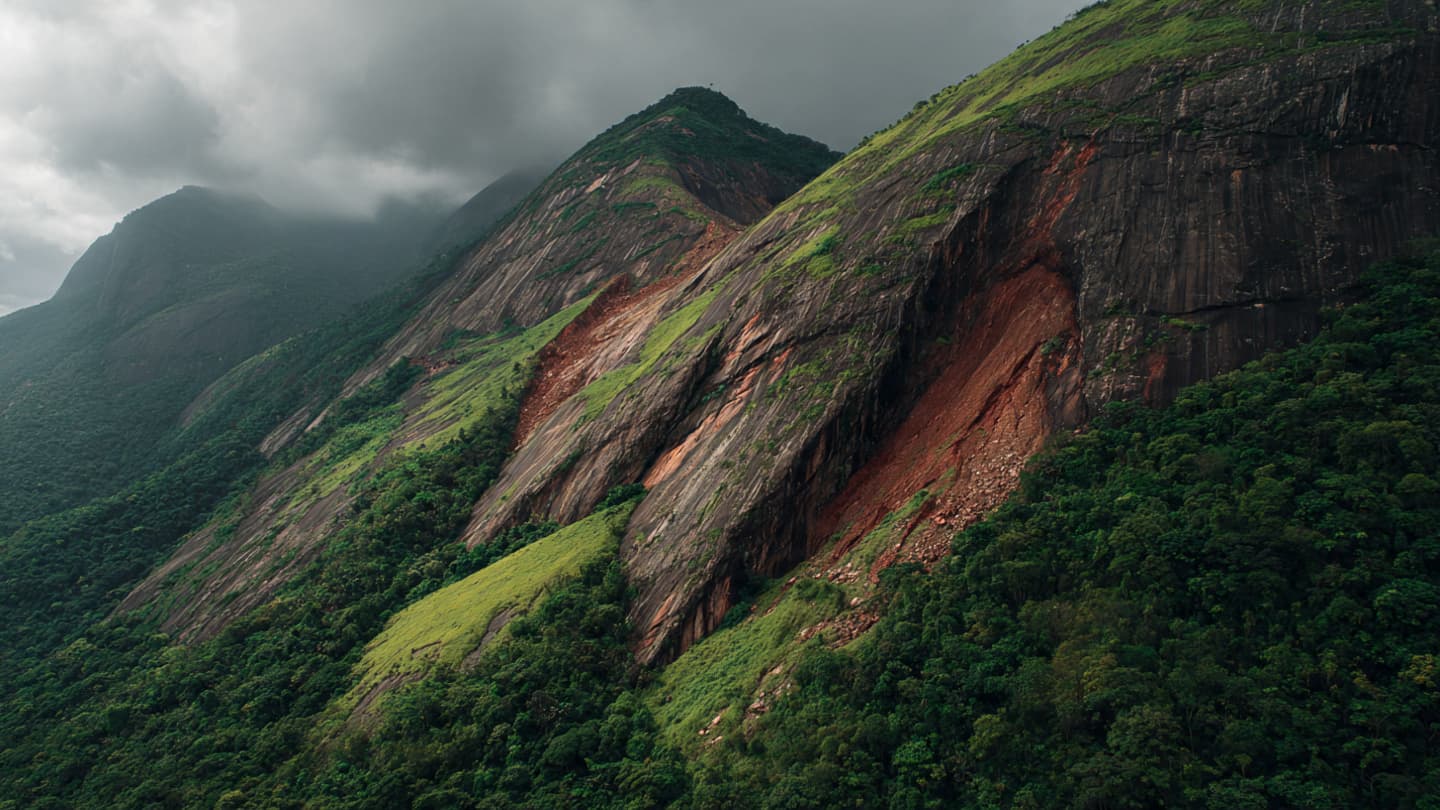
In the early hours of the storm, the sound of rain transformed into a terrifying roar as mudslides surged down the hillsides. The saturated soil, unable to withstand the deluge, gave way, resulting in rapid and destructive flows of earth that swept away homes and disrupted lives. The once-familiar landscape is now marked by deep scars of red clay, stark against the greenery that remains. This transformation serves as a haunting reminder of nature's unpredictable power.
As rescue operations unfold, the human cost of the disaster is becoming increasingly clear. Families have been torn apart, and the search for survivors continues with a sense of urgency. Emergency responders, working tirelessly in challenging conditions, are navigating through the debris with a mix of hope and despair. The community's resilience is palpable, as neighbors come together to support one another in the face of overwhelming loss.
Authorities are closely monitoring the affected areas, aware that the threat of further mudslides remains. The Civil Defense of Rio de Janeiro has deployed teams to high-risk zones, coordinating efforts to evacuate residents and ensure their safety. The situation is fluid, with meteorologists warning of continued rainfall, which could exacerbate the already precarious conditions on the hillsides.
For the residents of the favelas and surrounding mountain towns, the rain is a double-edged sword. It nourishes the land but also brings the risk of disaster. The community's relationship with their environment is complex, marked by both beauty and vulnerability. As they begin the arduous process of recovery, there is a collective understanding that rebuilding will take time and effort, but the spirit of solidarity remains strong.
As night falls over Rio, the glow of portable lights illuminates the ongoing recovery efforts. The landscape, now altered, serves as a reminder of the fragility of life in this region. The hills, once a source of pride and beauty, now bear the weight of sorrow and loss. Yet, amidst the devastation, there is a sense of hope as the community rallies together, determined to rebuild and heal.
The mudslides in Rio de Janeiro are not just a natural disaster; they are a pivotal moment in the history of the region. The scars left behind will serve as a reminder of the challenges faced by those who call this place home. Until every last survivor is accounted for and the community can begin to heal, the hills will remain a site of vigil and remembrance for the families affected by this tragedy.
Published by Banx Network. This article is part of the Banx decentralized media programme, powered by the BXE token on the XRP Ledger.



