Key Highlights
- Aarhus is embracing sustainable timber architecture, reshaping urban living.
- Timber structures promote carbon sequestration and community engagement.
- Prefabrication methods enhance efficiency and reduce waste in construction.
The scent of freshly sawn pine has always carried a promise of sanctuary, a fragrant reminder of the deep, quiet forests that stand as the ancient lungs of the North. In the evolution of our dwellings, we are witnessing a return to these organic roots, moving away from the cold, industrial weight of concrete and steel toward a more breathable, living architecture. This shift signifies a rediscovery of the wisdom of wood in an era that desperately seeks a lighter ecological footprint.
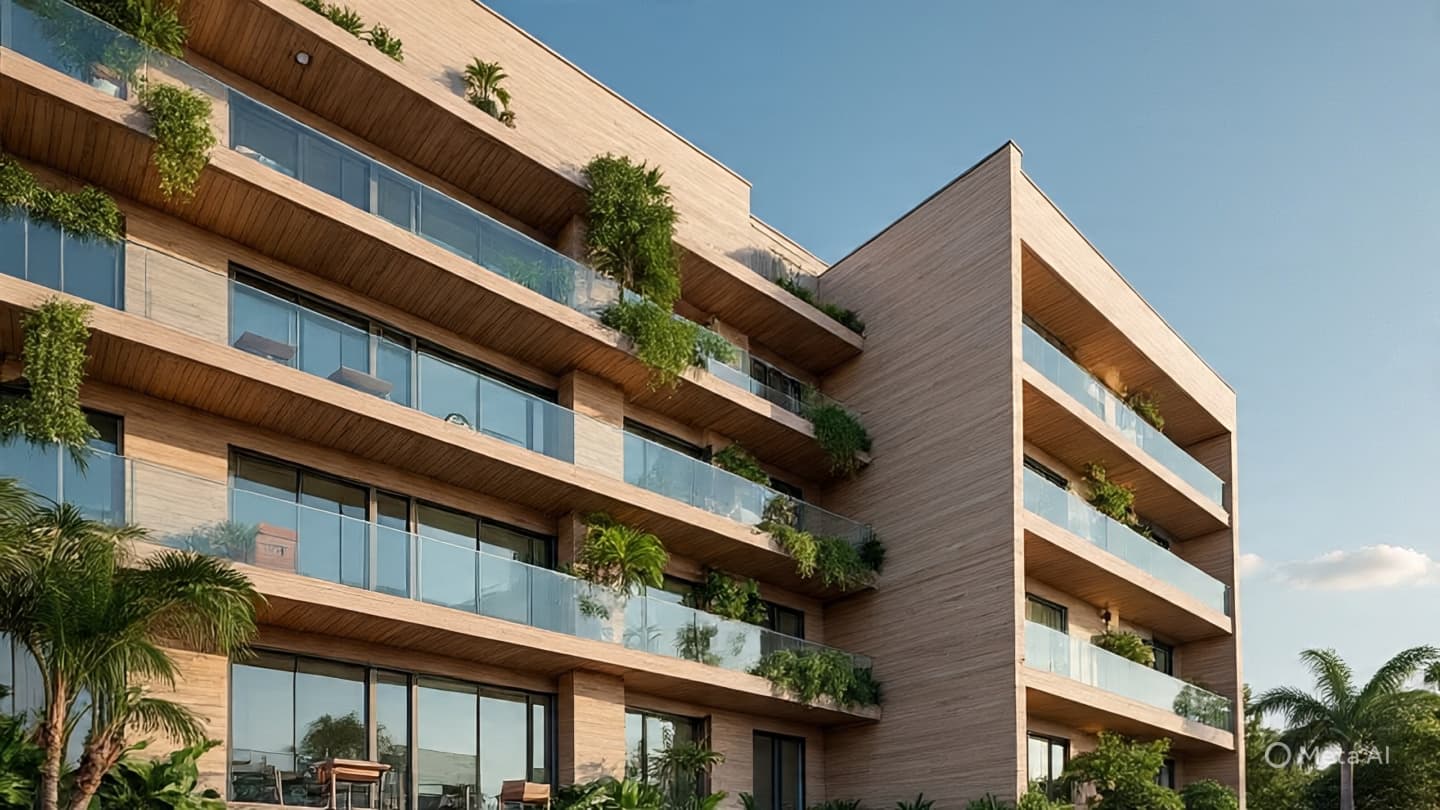
In Aarhus, where the sea breeze meets vibrant urban energy, a new narrative of residential life is taking shape through sustainable timber-framed complexes. These developments transcend mere housing; they embody a philosophy of living that prioritizes the health of both inhabitants and the planet. Walking through these halls offers a different kind of silence, a softened acoustic environment where the warmth of the grain provides a tactile connection to the natural world. This reflective space is designed for a modern life that values quality, air, and the passage of light.
The popularity of these timber structures is rooted in a sophisticated understanding of carbon sequestration and environmental balance. Each beam and panel acts as a reservoir of stored carbon, transforming construction into a form of climate stewardship. Architects in Aarhus face the challenge of marrying traditional aesthetics with contemporary safety and durability demands. The result is a fusion of heritage and innovation, where cross-laminated timber provides the strength of a fortress and the grace of a forest.
Within the real estate market, there is enthusiastic adoption as families and professionals seek homes that align with their ecological values. These complexes often feature communal gardens and shared spaces, fostering a sense of community that mirrors the interconnectedness of the ecosystem itself. A narrative of social sustainability is woven into the physical structure, reflecting the belief that the materials we inhabit shape our interactions. The focus remains on the human experience, creating spaces that are both restorative and inspiring.
There is an editorial elegance in the way these buildings weather over time, the wood slowly silvering in the salt air of the Jutland coast. This evolution serves as a reminder that a home is a living entity, changing and maturing alongside its residents. The transition from synthetic materials to organic lifecycles marks a hallmark of the new Danish aesthetic, suggesting a future where urban environments are more resilient, beautiful, and in tune with the seasons.
The construction process itself is a study in precision and speed, as many timber components are prefabricated to reduce waste and minimize disruption to neighborhoods. This methodical approach reflects a broader commitment to efficiency that defines the Nordic construction industry. Stories from these new neighborhoods reveal residents who feel a renewed sense of well-being, attributing their comfort to the natural breathability and warmth of their surroundings. This act of environmental restoration begins with the walls we call home.
As the skyline of Aarhus continues to evolve, these timber-framed complexes serve as a beacon for other cities looking to modernize their housing stock. They demonstrate that density and sustainability are not mutually exclusive but can exist in a harmonious and aesthetically pleasing balance. The investment in these projects underscores the long-term value placed on green living, recognizing that the quality of our environment is the ultimate measure of wealth. It is a story of building for the future, one grain at a time.
The rise of timber architecture in Aarhus exemplifies the enduring power of natural materials to inspire and protect. It offers a glimpse of a world where our cities are extensions of our forests, places of growth and renewal. Developers and architects continue to push the boundaries of what is possible, reminding us that the most innovative solutions often lie in the woods.
Published by Banx Network. This article is part of the Banx decentralized media programme, powered by the BXE token on the XRP Ledger.