
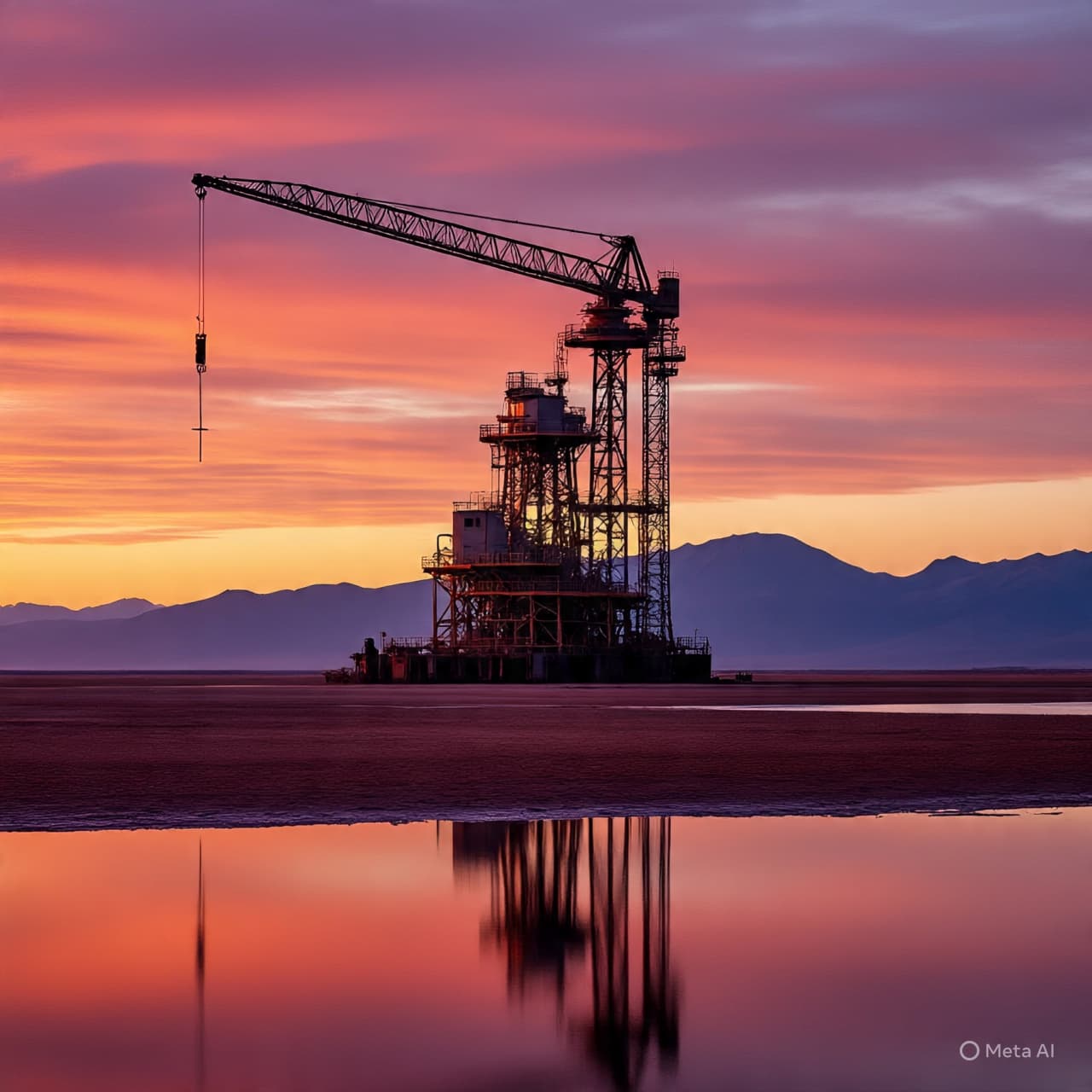
Key Highlights
- Argentina's Vaca Muerta shale formation is driving economic growth.
- The region is becoming a key player in the global energy market.
- Rising energy prices are stabilizing the Argentine peso and boosting exports.
Argentina's Vaca Muerta shale formation is emerging as a pivotal player in the global energy landscape, transforming the nation's economic prospects amid fluctuating oil prices. This vast reserve, located in the Neuquén province, is not only reshaping Argentina's energy strategy but also positioning the country as a significant contributor to the global energy supply. As the world grapples with energy volatility, Vaca Muerta stands as a beacon of opportunity for Argentina, offering a pathway to self-sufficiency and economic resilience.
The Vaca Muerta basin, rich in shale oil and gas, has become a focal point for investment and development. State-run energy firm YPF, alongside various corporate partners, is leveraging global debt markets to finance an ambitious expansion of production capabilities. This surge in activity is not merely a response to external pressures; it represents a strategic pivot towards harnessing domestic resources to stabilize the economy. With rising global energy prices, Argentina is capitalizing on its natural resources to bolster its currency and enhance export potential.
The transformation of Vaca Muerta is not just about energy production; it symbolizes a broader narrative of national identity and resilience. The region's development is fostering a sense of pride among Argentines, as the country seeks to redefine its place in the global energy hierarchy. The dialogue between the land and its people is palpable, as communities rally around the promise of economic growth and stability that the shale boom brings.
As production ramps up, the implications for the Argentine economy are profound. Analysts note that the influx of capital and the creation of jobs in the energy sector are contributing to a more robust economic framework. The synergy between energy production and agricultural exports is particularly noteworthy, as it allows the Argentine peso to maintain its value in a challenging global market. This interconnectedness highlights the potential for Vaca Muerta to serve as a cornerstone of Argentina's long-term economic strategy.
However, the path forward is not without challenges. Environmental concerns and the need for sustainable practices in shale extraction are critical issues that must be addressed. As Argentina navigates this new frontier, the balance between economic growth and environmental stewardship will be essential. The government is aware of these challenges and continues to prioritize the development of Vaca Muerta as a central component of its economic roadmap, ensuring that the benefits of this resource are realized responsibly.
In conclusion, the awakening of the Vaca Muerta shale formation marks a significant turning point for Argentina. The region is not only becoming a vital source of energy but also a symbol of national resilience and ambition. As the world watches, Argentina's journey towards energy independence and economic stability unfolds, offering valuable lessons in resource management and strategic planning for other nations facing similar challenges.
Published by Banx Network. This article is part of the Banx decentralized media programme, powered by the BXE token on the XRP Ledger.



