
Key Highlights
- Urban orchards are becoming integral to city planning, enhancing food security.
- Community participation in gardening initiatives is on the rise, fostering connections.
- New Zealand reports a 20% increase in public land allocated for edible landscapes.
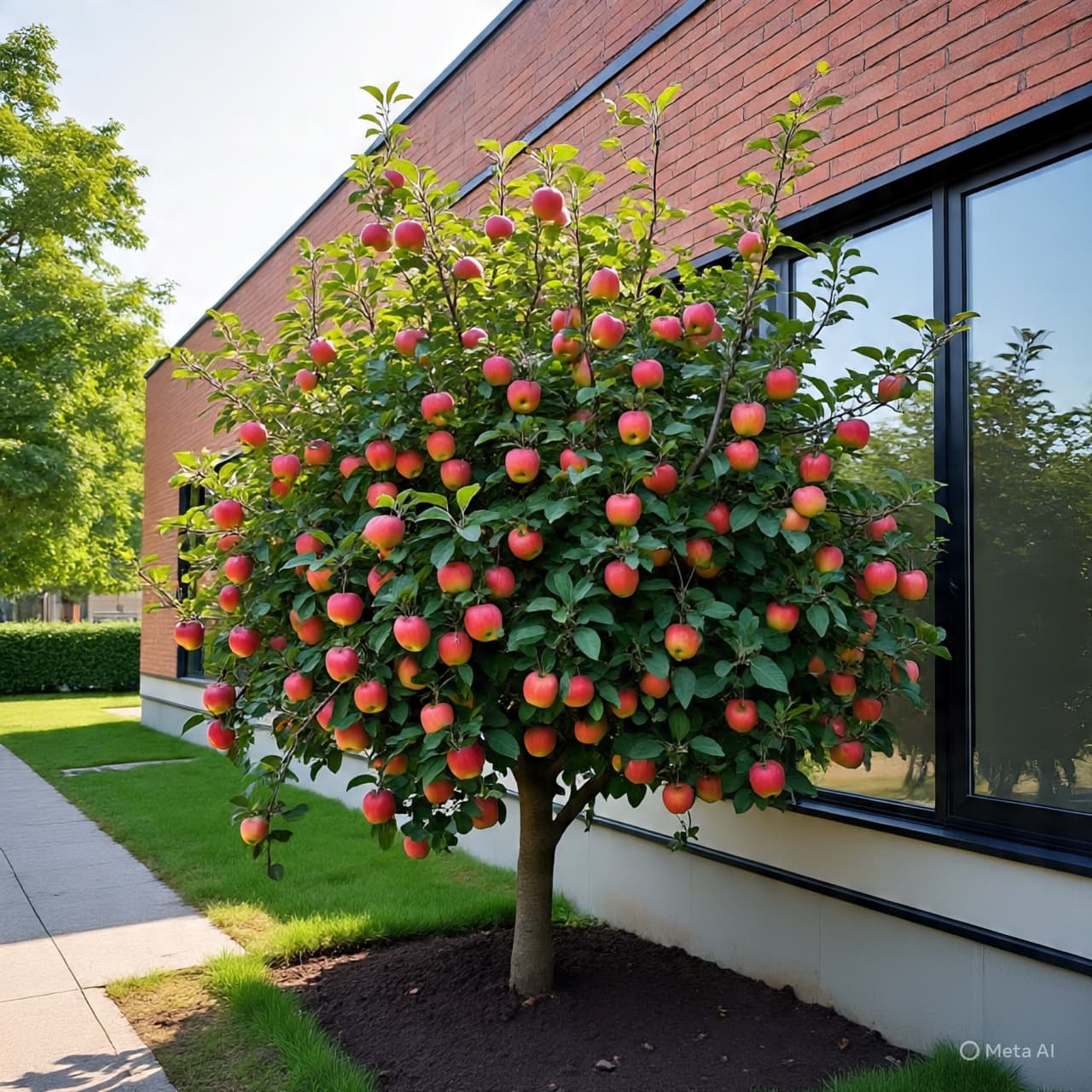
Urban orchards are emerging as a vibrant solution to the challenges of urban living, transforming concrete jungles into lush, edible landscapes. In cities from Auckland to Sydney, the movement is gaining momentum, as local governments and communities recognize the importance of integrating fruit trees into public spaces. This shift not only beautifies urban environments but also addresses food security and community well-being.
The act of planting fruit trees in urban areas symbolizes hope and sustainability. It reflects a growing understanding that green spaces must serve functional purposes beyond aesthetics. Parks and streets are evolving into communal pantries, where residents can access fresh produce while enjoying the benefits of nature. This trend marks a significant departure from traditional urban planning, emphasizing the need for resilience and self-sufficiency in city life.
As urban dwellers navigate their daily routines, the presence of fruit trees reconnects them with the natural rhythms of the seasons. The sight of blossoms in spring and the promise of ripe fruit in autumn serve as reminders of the earth's cycles. Urban orchards provide a sensory experience that fosters a deeper appreciation for food and its origins, encouraging people to eat seasonally and sustainably.
Community gardens and guerrilla planting initiatives are at the heart of this movement, bringing together neighbors who might otherwise remain strangers. The act of tending to a shared garden cultivates social bonds and fosters collaboration, creating a sense of belonging in an increasingly digital world. These orchards become more than just sources of food; they serve as vital social hubs that strengthen community ties.
Despite the challenges posed by urbanization, each new fruit tree planted represents a small victory against the encroachment of concrete. These green spaces attract pollinators and wildlife, contributing to a more diverse urban ecosystem. As cities embrace the concept of edible landscapes, they are not only reclaiming lost potential but also enhancing biodiversity and ecological health.
The rise of urban orchards also responds to economic pressures and the fragility of global food systems. By incorporating fruit trees into urban design, cities can mitigate the impacts of rising food costs and provide accessible, fresh produce to all residents. This democratization of food resources redefines the commons for the modern age, ensuring that everyone can enjoy the benefits of locally grown fruits.
In the early morning hours, urban orchards offer a peaceful retreat from the hustle and bustle of city life. The cool shade of the trees and the gentle rustle of leaves create a serene atmosphere, reminding us of our connection to nature. As cities evolve, the integration of edible landscapes will become essential, paving the way for biophilic urban environments where nature and humanity coexist harmoniously.
Recent reports from urban planning departments in New Zealand indicate a 20% increase in the allocation of public land for community-led edible landscapes and fruit groves. This initiative is part of a broader
Published by Banx Network. This article is part of the Banx decentralized media programme, powered by the BXE token on the XRP Ledger.



