
Key Highlights
- Seizure:Dutch customs officials confiscated 1.5 tons of cocaine.
- Value:The narcotics have an estimated street value exceeding 110 million euros.
- Context:The drugs were hidden in a refrigerated fruit shipment from South America.
The Port of Rotterdam, a critical hub for global trade, recently witnessed a significant drug seizure that underscores the complexities and risks associated with international commerce. On Wednesday, customs officials confirmed the confiscation of 1,500 kilograms of cocaine during a routine inspection of a commercial fruit shipment arriving from South America. The narcotics, concealed within a refrigerated container, were destined for a distribution center in the Dutch interior, highlighting the ongoing challenges faced by authorities in monitoring legitimate trade routes.
This seizure is not just a singular event; it reflects a broader narrative of how illicit activities can intertwine with legitimate commerce. The cocaine, with an estimated street value of over 110 million euros, was hidden among crates of fruit, demonstrating the lengths to which traffickers will go to exploit the global supply chain. The discovery of such a substantial quantity of drugs raises questions about the effectiveness of current inspection protocols and the ongoing battle against drug trafficking.
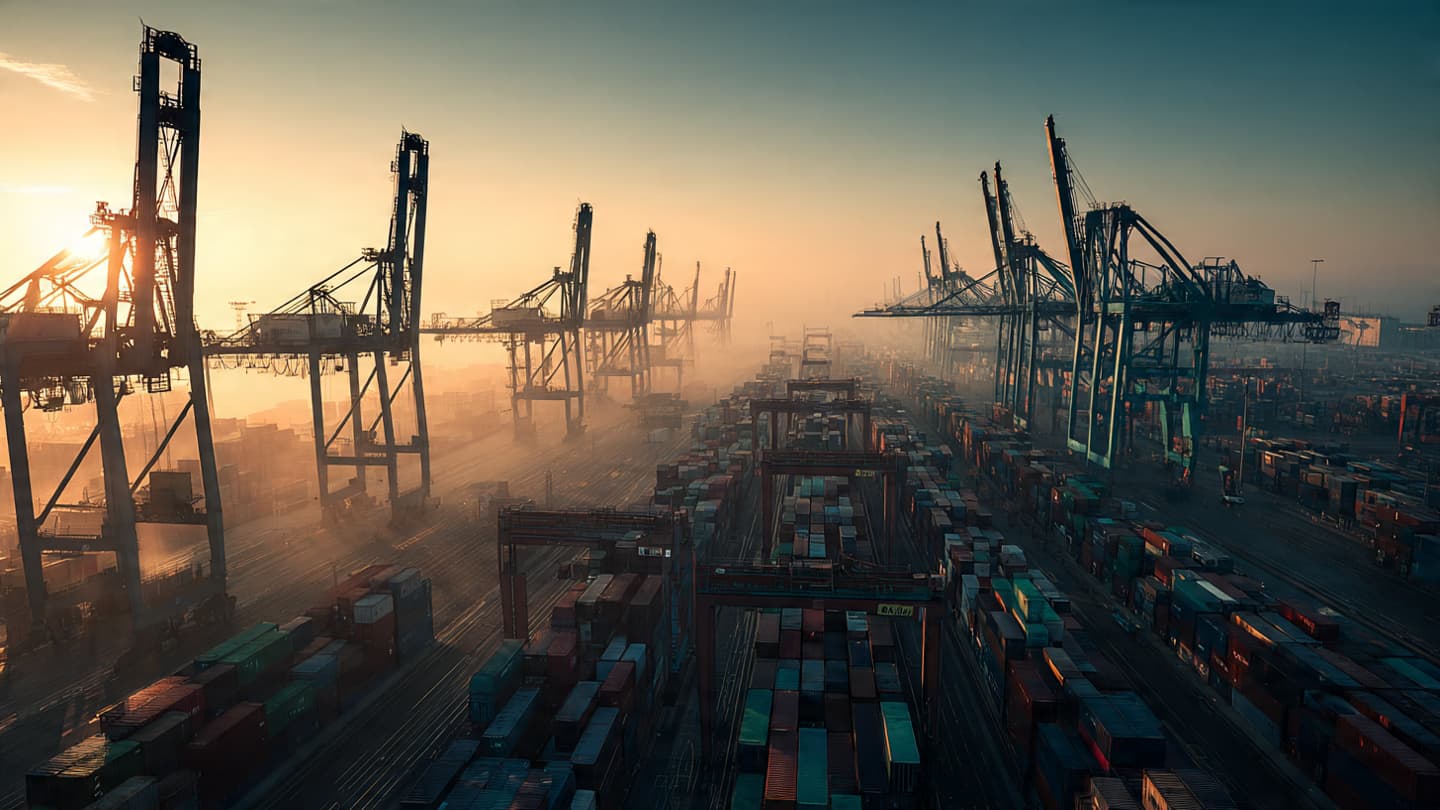
In the bustling environment of the Port of Rotterdam, where container ships arrive and depart continuously, the flow of goods is both a lifeline for economies and a potential conduit for illegal activities. The port serves as a gateway for a vast array of products, from fresh produce to industrial materials, making it a prime target for those looking to smuggle contraband. The recent seizure serves as a stark reminder of the dual nature of global trade, where legitimate goods can mask illicit operations.
Dutch authorities have emphasized the importance of vigilance in their inspections. Customs officials are trained to identify discrepancies that may indicate smuggling attempts, such as tampered seals or mismatched weights on shipping manifests. The successful interception of this shipment is a testament to their diligence and the effectiveness of their investigative techniques. However, it also highlights the ongoing challenges posed by sophisticated trafficking networks that continually adapt to evade detection.
As the investigation unfolds, authorities will analyze the data surrounding the seizure, tracing the origins of the cocaine and mapping the networks involved. This process is crucial not only for prosecuting those responsible but also for understanding the broader implications of such trafficking on public health and safety. The seizure of 1.5 tons of cocaine is not merely a statistic; it represents a significant disruption in the operations of drug traffickers and a victory for law enforcement.
The impact of this seizure extends beyond the immediate legal ramifications. It serves as a reminder of the interconnectedness of our global economy, where the pathways for legitimate trade can also facilitate the movement of illegal substances. The Port of Rotterdam stands as a symbol of this duality—a place where the fruits of labor can be overshadowed by the shadows of crime. As new shipments arrive, the port remains a critical frontline in the ongoing struggle against drug trafficking, illustrating the complexities of modern trade and the persistent challenges faced by authorities.
In conclusion, the recent cocaine seizure at the Port of Rotterdam is a significant event that sheds light on the intricate relationship between global trade and illicit activities. As customs officials continue to navigate this complex landscape, the lessons learned from such incidents will be vital in shaping future strategies to combat drug trafficking and ensure the integrity of international commerce.
Published by Banx Network. This article is part of the Banx decentralized media programme, powered by the BXE token on the XRP Ledger.



